Who needs to check what?
The most important label detail depends on whether you are excluding a named allergen, choosing a vegan product or comparing what a bar contributes to lunch.
Home workers avoiding a named allergen
Check the ingredients, highlighted allergens and any “may contain” statement for the exact flavour. A broad free-from description does not answer a separate question about milk, gluten-containing cereals, peanuts, tree nuts or soya.
Vegan home workers
Look for vegan suitability, then check any other exclusions separately. Barebells, for example, says its vegan bars contain gluten; its Vegan Fudge Brownie lists wheat and soya.
People choosing a desk-lunch snack
Compare the serving size and per-bar nutrition with what else you plan to eat. Protein, energy, fibre and sweeteners can all matter to that choice, alongside your dietary requirements.
What matters when choosing a bar?
Start with the exclusion that matters to you, then use the per-bar label to decide whether the product fits your planned lunch.
| Priority | What to check | Your needs |
|---|
| Named allergens |
Read the exact flavour’s ingredients, highlighted allergens and precautionary statements. The Food Standards Agency explains that “may contain” wording communicates possible unintended allergen presence. |
I need to exclude a particular ingredient, so a general free-from claim is not enough for my choice. |
| Vegan and gluten claims |
Check vegan suitability and gluten status separately. Barebells says its vegan bars contain gluten; its Vegan Fudge Brownie lists wheat and soya. |
A plant-based bar appeals to me, but I also need to know whether it meets my separate gluten or allergen requirements. |
| Protein and portion |
Compare protein on the same per-bar basis and note bar size. PhD lists 21g protein per 64g Smart Plant bar; do not assume another flavour or product has the same figures. |
Will this be a small snack between meetings or part of my lunch? The amount per bar matters more to that decision than a claim on the front of the pack. |
| Sweeteners |
Read the ingredients and polyols figure as well as sugars. PhD lists 0.6g sugars and 16g polyols per 64g Smart Plant bar. |
If I pay attention to particular sweeteners, I want to check the full label before buying several bars. |
| Current pack |
Match the listing to the flavour and pack you receive, including its ingredients and any precautionary wording. |
I would rather check one flavour carefully than assume every bar in a brand’s range has the same ingredients. |
Brand and retailer references
These ranges and retailer listings illustrate why the product and flavour label matters more than a brand-wide assumption.
Myprotein
Myprotein has a dairy-free protein-bar category for browsing products without milk-derived ingredients.
- The category can help narrow a search for dairy-free options.
- Check the individual flavour for any other allergens or gluten requirement.
PhD
PhD lists both plant-based Smart Plant bars and conventional Smart Bars with a whey protein centre.
- PhD lists 21g protein, 0.6g sugars and 16g polyols per 64g Smart Plant bar.
- The plant-based route still calls for a check of soya, peanuts and sweeteners; the whey-based bar is not vegan.
Barebells
Barebells offers vegan protein bars, but states that its vegan bars contain gluten.
- Its product information identifies the gluten restriction explicitly.
- Vegan Fudge Brownie lists wheat and soya, plus possible traces of milk, peanuts, tree nuts and sesame.
Grenade
Grenade sells a Carb Killa protein-bar range and provides flavour-specific allergy information.
- Its allergen guidance directs shoppers to the specific product information.
- Grenade says some flavours contain peanuts and notes that some products are made in a facility handling nuts and other allergens.
Tesco
Tesco has a free-from snack and protein-bar browsing category with individual product listings.
- Its Nakd Cocoa Hazelnut listing identifies gluten-free, dairy-free and vegan suitability.
- The same listing includes peanuts and hazelnuts, so category filters cannot replace an ingredient check.
Quest
Quest describes protein bars as gluten-free on its US site.
- The brand identifies gluten status for the products described on that site.
- Check a current UK listing and pack before applying those US product descriptions to a bar bought here.
Protein-bar options on Joybuy
These options include bars to consider for vegan or gluten-related requirements alongside conventional protein-bar choices. Check each exact pack against your own exclusions; the products do not all serve the same free-from need.
 No image available
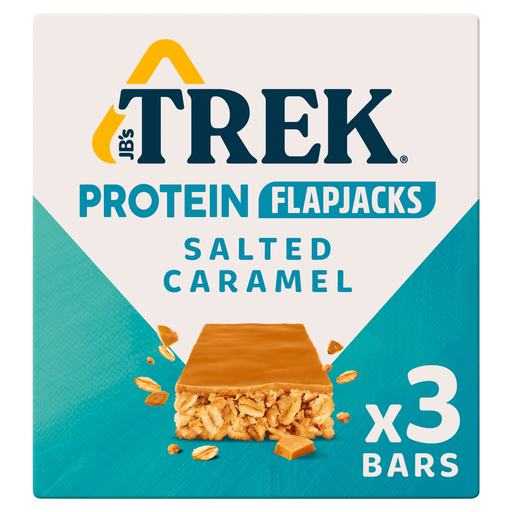
Trek Salted Caramel Protein Flapjacks, 3 x 50g
For a vegan, gluten-free desk snack, check the current Salted Caramel pack for soya and its precautionary wording about peanuts, nuts and milk. The pack contains three 50g flapjacks.
View on Joybuy
 No image available
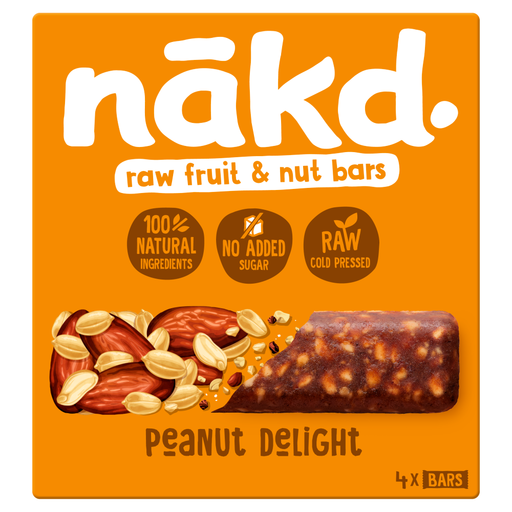
Nakd Peanut Delight, 4 x 35g
Peanuts are part of this Peanut Delight variant, so it is not an option for peanut avoidance. Check this exact product’s other ingredients and free-from declarations rather than applying details from Nakd Cocoa Hazelnut; the pack contains four 35g bars.
View on Joybuy
 No image available
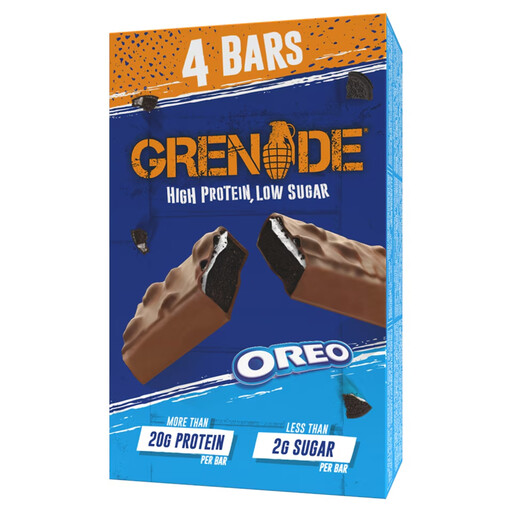
Grenade Oreo Flavour Protein Bar, 4 x 60g
This conventional protein-bar option comes as four 60g Oreo Flavour bars. Check the selected pack’s milk, gluten and soya information, plus its sweeteners, if any of those affect your choice.
View on Joybuy
 No image available
Nature Valley Protein Salted Caramel Nut Bars, 4 x 40g
If gluten avoidance is your priority, check the current pack’s gluten-free wording and its separate milk, peanut, almond and soya information. This Salted Caramel Nut pack contains four 40g bars.
View on Joybuy
Questions about labels and lunch
Does vegan mean a protein bar is gluten-free and nut-free?
No. Vegan suitability does not establish the absence of gluten or nuts. Barebells says its vegan bars contain gluten, and its Vegan Fudge Brownie lists wheat and soya, with possible traces of peanuts and tree nuts. Check the exact flavour for each exclusion you need.
What does a gluten-free claim tell me?
The Food Standards Agency describes “gluten-free” as no more than 20 mg/kg of gluten in the food as sold to the final consumer. It does not tell you whether a bar is vegan or free from milk, soya or nuts; check those separately.
How should I read a “may contain” statement?
Take it into account if cross-contact with the named allergen matters to you. The Food Standards Agency explains that precautionary allergen labelling communicates that a regulated allergen could be unintentionally present in the food.
Is a protein bar enough for a working-from-home lunch?
Do not assume a bar is a complete lunch because it has protein in its name. Check its serving size, per-bar nutrition and ingredients against what else you plan to eat, while applying the same dietary checks to any accompanying foods.
Can I keep protein bars in a desk drawer?
Follow the storage instructions and best-before date on the pack you receive. Check its wrapper again before eating, particularly if you previously relied on an older online ingredient listing.


