People training between meals
A portable bar may appeal when a workout falls after work or between meals. Check how long you have before training, rather than choosing by the protein figure alone.


A protein bar can be a convenient snack before a workout if there is time to eat it comfortably, but protein alone does not determine whether it suits the session. The British Dietetic Association emphasises carbohydrate for exercise fuel, while University College London Hospitals NHS Foundation Trust describes carbohydrate, protein and minimal fat for a snack 60–90 minutes before training; compare the bar’s carbohydrate and fat as well as its protein, and consider a lighter carbohydrate-led option when exercise is close.
A portable bar may appeal when a workout falls after work or between meals. Check how long you have before training, rather than choosing by the protein figure alone.
Vegan, gluten-free and dairy-free are separate product characteristics. Compare the exact bar’s ingredients and protein per serving against the dietary requirements that matter to you.
Nut- and oat-based bars may contain appreciable fat. If that matters close to a workout, compare the fat per bar and consider whether a lighter snack would suit the time available.
Start with the time until exercise, then read the nutrition information per bar and the ingredients on the pack.
| Priority | What to check | Your needs |
|---|---|---|
| Timing | University College London Hospitals NHS Foundation Trust describes carbohydrate, protein and minimal fat for a snack 60–90 minutes before training, and faster-acting carbohydrate for one 15–30 minutes beforehand. Consider when you will eat. | If I am training soon, I want a snack that suits the short time available, rather than a bar chosen just for its protein. |
| Carbohydrate | Read carbohydrate per bar alongside the serving size. The British Dietetic Association identifies carbohydrate as the main fuel source for exercising muscles; a protein claim does not tell you the carbohydrate amount. | For a longer or harder session, I want to know what else the bar provides besides protein. |
| Protein | Compare grams per whole bar, not just per 100g. Nature Valley UK lists 10.4g per 40g Salted Caramel Nut bar; TREK lists 9g per 50g Cocoa Oat bar; Tesco Groceries lists 7.6g per 45g nākd Peanut Butter Protein bar. | I want to know the contribution of the serving I would actually eat, without treating one bar as a complete plan for the day. |
| Fat and comfort | Check fat per bar and allow for how you usually feel after a rich snack. TREK lists 11g per 50g Cocoa Oat bar, while Tesco Groceries lists 9.5g per 45g nākd Peanut Butter Protein bar. | A rich bar can feel uncomfortable for me before exercise, so I would weigh its contents against the time left before training. |
| Ingredients | Check the exact pack for ingredients and allergen declarations, including any ‘may contain’ wording. Do not use a vegan or gluten-free description as a substitute for an allergy check. | I need the particular flavour and pack I buy to fit my dietary restrictions; another bar from the same brand may differ. |
Protein does not tell you how much carbohydrate or fat the bar contains, or whether you have enough time to eat it comfortably before training.
Decide when you will exercise, then compare protein, carbohydrate and fat on the same per-bar basis. For a snack shortly before training, consider the faster-acting carbohydrate approach described by University College London Hospitals NHS Foundation Trust.
TREK Cocoa Oat contains soya and may contain peanuts, nuts and milk; the listed nākd Peanut Butter Protein bar contains peanuts and may contain soya and nuts.
Read the ingredient and allergen information on the exact pack, including when switching flavour or buying a product again.
Different front-of-pack claims describe different characteristics. Tesco Groceries lists 2.2g protein per 30g Graze Peanut Butter Oat Boost, compared with 7.6g per 45g nākd Peanut Butter Protein bar.
Use the nutrition table to check protein for the serving you intend to eat, separately from sugar and fibre information.
These examples show why the exact bar matters more than the brand name when comparing a pre-workout snack.
Nature Valley UK lists 10.4g protein per 40g Protein Salted Caramel Nut bar.
TREK lists Cocoa Oat as a vegan flapjack with 9g plant protein and 22g carbohydrate per 50g bar.
Tesco Groceries lists 7.6g protein and 15g carbohydrate per 45g Peanut Butter Protein bar.
Eat Natural UK presents a protein fruit-and-nut bar range.
Tesco Groceries lists 2.2g protein, 11g carbohydrate and 4.6g fibre per 30g Peanut Butter Oat Boost.
Alpen Muesli’s product information identifies several older bar varieties as no longer made.
These TREK flapjack and Nature Valley nut-bar packs are options to examine if you want a portable snack before a planned workout. Compare the exact pack’s nutrition and allergens, particularly when exercise is close.
 No image available
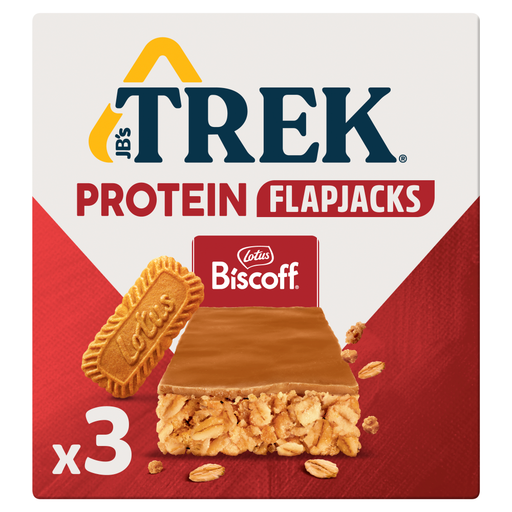
This three-bar flapjack pack is a portable option for a planned snack. Check the pack’s per-bar carbohydrate, protein, fat and allergen information before deciding when to eat it.
 No image available
For a snack ahead of a later workout, compare this flapjack’s per-bar nutrition and ingredients with the time you have before training. Check the exact pack if soya or other allergens matter to you.
 No image available
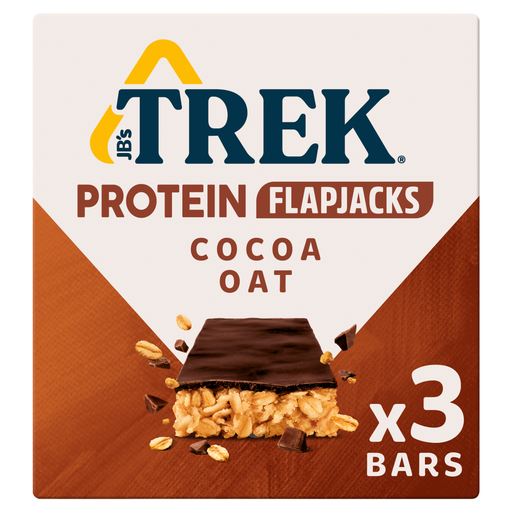
TREK lists 9g plant protein, 22g carbohydrate and 11g fat per 50g Cocoa Oat bar. This vegan option contains soya and may contain peanuts, nuts and milk; consider the fat and your tolerance when deciding how close to exercise to eat it.
 No image available
Nature Valley UK lists 10.4g protein per 40g bar. For a pre-workout snack, check carbohydrate and fat alongside that figure; the Salted Caramel Nut bar contains peanuts, soya, almond and milk ingredients.
 No image available
This eight-bar pack offers individually sized cereal bars for a planned snack. Check the nutrition and ingredients for this Peanut & Chocolate variant rather than applying figures from Nature Valley’s Salted Caramel Nut bar.
No. The British Dietetic Association identifies carbohydrate as the main fuel source for exercising muscles and describes a low-fat, high-carbohydrate snack or light meal two to three hours before exercise. Consider your timing and tolerance as well as the bar’s protein.
University College London Hospitals NHS Foundation Trust describes faster-acting carbohydrate for a snack 15–30 minutes before training. A rich nut- or oat-based protein bar may not suit that short interval, particularly if you find such snacks uncomfortable before exercise.
Nature Valley UK lists 10.4g per 40g Salted Caramel Nut bar, TREK lists 9g per 50g Cocoa Oat bar, and Tesco Groceries lists 7.6g per 45g nākd Peanut Butter Protein bar. Those are different products and serving sizes; compare carbohydrate, fat and ingredients before choosing one for a pre-workout snack.
No. TREK Cocoa Oat contains soya and may contain peanuts and nuts, while the listed nākd Peanut Butter Protein bar contains peanuts and may contain soya and nuts. Check the ingredient and allergen declaration on the exact pack rather than relying on a vegan description.