Choose by the protein in the bar you would actually eat, then check its sugars, fibre, energy and allergens on the same per-bar basis. Nature Valley and Eat Natural have researched 40g bars with around 10g protein; TREK states that its vegan High Protein range provides 15g per bar, while nākd. Cocoa Hazelnut offers a no-added-sugar fruit-and-nut option with less protein. Check the exact flavour and portion before treating any of those figures as a reason to buy a different bar.
Who these bars may suit
Office workers and commuters
If you want a portioned afternoon snack, compare protein per bar rather than relying on the word “protein” on the wrapper. The researched Nature Valley Peanut & Chocolate and Eat Natural Peanuts, Almonds & Salted Caramel bars each contain around 10g protein in a 40g bar, according to Nature Valley UK and Tesco Groceries respectively.
Plant-based snackers
A vegan label still leaves a choice between bar formats and protein amounts. TREK states that its High Protein range provides 15g plant protein per bar; Tesco Groceries lists 7g plant protein for nākd. Cocoa Hazelnut. Check the exact flavour’s nutrition and ingredients when choosing between them.
Shoppers checking gluten and allergens
Check the exact pack’s ingredients and precautionary statements alongside any gluten-free or vegan label. The researched bars include recipes containing peanuts, soya, milk or other nuts; one dietary label does not answer a different allergen question.
What to check before choosing
Start with the portion you plan to eat, then compare the rest of that bar’s label against your dietary requirements.
| Priority |
What to check |
Your needs |
| Protein per bar |
Check protein in grams and the bar’s weight. Nature Valley UK describes around 10g protein in its 40g Peanut & Chocolate bar; TREK states 15g per bar for its High Protein range, so confirm the chosen flavour’s panel. |
I want to know how much protein the whole afternoon portion provides, not just whether its wrapper carries a protein claim. |
| Sugars and energy |
Read sugars, energy and saturated fat per bar as well as per 100g. Compare portions of different sizes separately; a 50g flapjack is not the same portion as a 40g bar. |
A protein claim alone will not tell me what else is in the snack I plan to eat. |
| Fibre |
Compare the listed fibre per bar alongside protein. Nature Valley UK describes around 4g fibre in its 40g Peanut & Chocolate bar; check the chosen product’s own panel. |
I care about fibre too, but do not want to assume that every protein bar provides the same amount. |
| Diet and allergens |
Check the exact flavour’s vegan and gluten-free labelling, ingredient list and may-contain statement. “No added sugar” does not mean the sugars figure is zero. |
If I avoid particular ingredients, I need the current pack to answer that question—not just a front-of-pack description. |
Common buying mistakes
-
Assuming “protein” also means less sugar or saturated fat
Action on Salt and Sugar’s 2025 survey of 458 UK supermarket snack bars reported that 37% would receive a high-sugars rating and 55% a high-saturated-fat rating under voluntary UK traffic-light criteria. Those figures describe the surveyed products, not every protein bar.
Read the chosen bar’s protein, sugars, saturated fat, fibre and energy figures together before making it a regular afternoon choice.
-
Comparing different bar sizes as though they were one portion
A per-100g figure can help compare recipes, but it does not show how much you will consume if one whole bar weighs 40g and another weighs 50g. The researched TREK Original Oat Protein Flapjack lists 12.2g sugars per 50g bar, according to Myprotein UK.
Put the per-bar figures side by side, and note each bar’s weight before drawing a conclusion.
-
Treating a dietary label as an allergen check
Gluten-free, vegan and no-added-sugar wording answer different questions. For example, the researched Nature Valley Peanut & Chocolate bar contains peanuts, soya and milk, according to its Joybuy product information.
Read the current ingredients and may-contain statement on the exact pack, particularly when avoiding an allergen.
Brand references
TREK
Plant-based bars offered in both High Protein and oat-flapjack formats.
- TREK states that its High Protein range provides 15g plant protein per bar.
- That range-level figure does not replace the chosen flavour’s nutrition and allergen panel. Myprotein UK lists 10.2g protein and 12.2g sugars for the distinct TREK Original Oat Protein Flapjack, per 50g bar.
Nature Valley
Nut-based protein bars, including the researched Peanut & Chocolate 40g bar.
- Nature Valley UK describes around 10g protein and around 4g fibre per 40g Peanut & Chocolate bar.
- Joybuy’s information for that flavour identifies peanuts, soya and milk. Check other Nature Valley flavours separately.
Eat Natural
Nut-led bars, including a researched Peanuts, Almonds & Salted Caramel protein variety.
- Tesco Groceries lists 10.4g protein per 40g bar for that variety and labels it gluten free.
- Its ingredients include peanuts, almonds, soya and milk-containing ingredients. Do not transfer its nutrition figures to another Eat Natural recipe.
nākd.
Fruit-and-nut bars, including a Cocoa Hazelnut protein variety labelled vegan and no added sugar.
- Tesco Groceries describes the Cocoa Hazelnut variety as providing 7g plant protein and labels it gluten and dairy free.
- No added sugar does not mean sugar-free. Its ingredients and nutrition must not be assumed to apply to other nākd. flavours.
Graze
Snack bars and oat flapjacks to consider by their individual nutrition panels.
- Graze describes plant protein or fibre among the features of its snack range.
- Check protein grams on the particular bar; an oat-flapjack format alone does not establish its protein amount.
Alpen
A brand to check by product type rather than treating its muesli as a portable snack bar.
- Alpen lists 5.0g protein per 45g serving of its No Added Sugar muesli.
- That muesli serving is not a bar comparison. Alpen’s FAQ also identifies several former bar products as no longer made.
Joybuy snack-bar options
These are portioned snack-bar and multipack options for comparing an afternoon snack. Check each flavour’s own label: figures for one recipe do not carry over to another.
 No image available
Grenade Soft Core Double Chocolate protein bar, 12 × 50g
The 50g bars come in a 12-pack. Check the Double Chocolate bar’s protein, sugars and ingredients per portion when comparing it with other afternoon snacks.
View on Joybuy
 No image available
Nature Valley Protein Salted Caramel Nut, 4 × 40g
Four 40g bars offer a defined portion for comparison. Check this Salted Caramel Nut flavour’s protein and fibre figures, and read its ingredients if nuts or milk matter to you.
View on Joybuy
 No image available
Nature Valley Protein Peanut & Chocolate, 4 × 40g
Nature Valley UK describes around 10g protein and around 4g fibre per 40g Peanut & Chocolate bar. Joybuy’s product information identifies peanuts, soya and milk; check the pack’s current allergen statement before choosing the four-pack.
View on Joybuy
 No image available
Nakd Peanut Delight, 4 × 35g
This pack contains four 35g Peanut Delight bars. Check its own protein, sugars and allergen information rather than using figures for nākd. Cocoa Hazelnut, which is a different variety.
View on Joybuy
 No image available
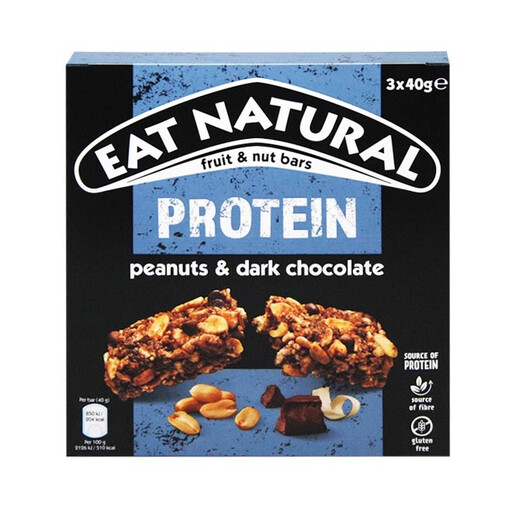
Eat Natural Protein-Packed Peanut & Chocolate Energy Bar, 3 × 40g
Three 40g peanut-and-chocolate bars provide individual portions for an afternoon snack. Compare this Energy Bar’s own protein and allergen information; the figures for Eat Natural Peanuts, Almonds & Salted Caramel describe a different recipe.
View on Joybuy
Questions about protein bars
Should I compare nutrition per 100g or per bar?
Use both, but make the final portion comparison per bar if you intend to eat a whole one. Per-100g figures compare recipes on the same weight basis; per-bar figures show what a 40g bar or a 50g flapjack contributes to your snack.
Does “no added sugar” mean a bar contains no sugars?
No. A no-added-sugar bar can still contain sugars from its ingredients. Read the sugars figure for the whole bar rather than treating the front-of-pack wording as a zero-sugars figure.
Is a gluten-free bar suitable for someone with a nut, milk or soya allergy?
Not on the strength of its gluten-free label. For example, the researched Nature Valley Peanut & Chocolate bar is described as gluten free but contains peanuts, soya and milk. Check the current ingredients and precautionary statement for the exact bar.
Can I choose an afternoon bar by its protein claim alone?
No. The protein claim does not give the bar’s sugars, saturated fat, fibre, energy or allergen information. Compare those details for the portion you would eat, then choose a recipe that fits your preferences and dietary requirements.


