
24/7 Customer Support

Free returns

Same-day & Next-day Delivery

Quality Guaranteed

Unlock Your Welcome Offers: FREE Delivery | Up to 80% OFF | Free 30-day JoyPlus trial
Download the APP
Protein bars can be useful on-the-go protein snacks for gym sessions, commutes, office drawers or busy university days. However, packaging can make very different products appear similar. A bar labelled “protein” may contain modest protein, while a “low sugar” option may be high in polyols or calories.
The practical approach is to compare the nutrition panel, ingredients, allergens and pack size rather than relying on front-of-pack claims.
Protein bars are snacks, not automatically meal replacements. Some provide around 8–10g of protein per bar, while others offer 20–21g. Both may be marketed as protein products, but they serve different purposes.
For a light mid-morning snack, a smaller bar may be sufficient. For protein bars for muscle maintenance or a post-workout snack, shoppers may prefer a larger serving with a clearly stated protein amount.
Many low sugar protein bars use sweeteners such as maltitol, sucralose or other polyols. These can reduce the “sugars” figure on the nutrition panel, but the total carbohydrate and polyol values still matter. Larger amounts of polyols may cause digestive discomfort for some people.
Compare energy, carbohydrate, sugars and polyols per bar, not just the low-sugar headline.
A bar can be vegetarian but still contain milk, soya, peanuts or other nuts. A product made with gluten-free oats may be suitable for some gluten-avoiding diets, but shoppers with allergies or diagnosed intolerances should check the latest packaging and cross-contamination statements.
Always read the full allergen declaration before buying, particularly when ordering multipacks.
Check the protein per bar, rather than only the per-100g figure. Current examples range from:
This makes serving size important. A larger bar may deliver more protein but also more calories and fat.
For macro-conscious diets, compare the entire panel. A Trek cocoa oat flapjack contains 14g sugars and 227 kcal per 50g bar, whereas the PhD bar provides 21g protein, 2g sugar and 245 kcal per 64g serving.
The Grenade options list around 1–2g sugar per 60g bar, but also contain approximately 15–18g polyols, depending on the flavour. This is a useful example of why “low sugar” should not be considered in isolation.
Look at the first three ingredients, protein sources and named allergens. Common protein sources include:
For vegan protein bars, confirm that the product is explicitly labelled vegan. Vegetarian products may contain milk or whey, so they are not automatically suitable for vegans.

Why This Fits Their Persona: A familiar, compact multipack for shoppers trying protein snacks without committing to larger boxes. Each 40g bar supplies 10.4g protein and is ready to eat.
The nutrition panel clearly states protein per 40g serving, avoiding confusion from relying only on a per-100g claim.
Gluten-free according to the supplied product information, suitable for vegetarians, with peanuts and chocolate flavour.
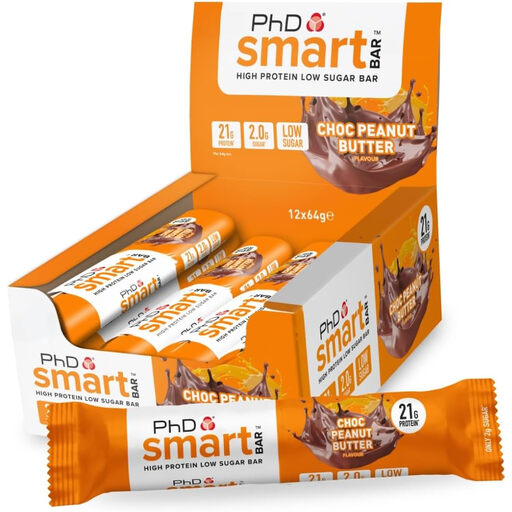
Why This Fits Their Persona: A 12-bar box suits regular gym users and people who want a substantial, confectionery-style snack available after training or during a working day.
It states approximately 21g protein and 2g sugars per 64g bar, allowing a direct serving-level comparison.
Palm oil-free formulation according to the supplied details; contains milk, soya and bovine collagen hydrolysate.

Why This Fits Their Persona: The 12-pack is practical for frequent training, office storage or planned post-workout snacks, with 20g protein per bar.
The listing shows both sugars at 2g and polyols at 17g per bar, making the sweetener trade-off visible.
20g protein and 2.5g fibre per bar, with white chocolate and salted peanut flavour. Contains milk, soya and peanuts.
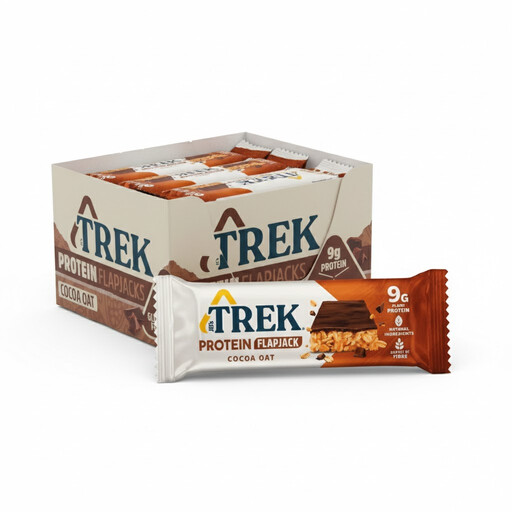
Why This Fits Their Persona: A large 16-pack of oat-based bars works well for vegans and vegetarians seeking portable snacks for work, study, hiking or travel.
The supplied information identifies the bar as vegan and gluten-free, while the nutrition panel shows 9g protein per 50g bar.
Uses gluten-free oats and soya protein crispies, with cocoa flavour and a soft flapjack texture.
We have compiled a complete, real-time list of products that fully satisfy these strict selection criteria and UK safety regulations.
They can be convenient post-workout snacks when you want a ready-to-eat source of protein. Check the serving size and protein amount, then consider the bar’s calories, carbohydrate and sugar content within your overall diet. They should not automatically replace a varied meal.
Most unopened bars carry a best-before date printed on the packaging. Store them in a cool, dry place away from direct sunlight and heat. Chocolate coatings may soften in warm conditions. Once opened, follow the product instructions and consume promptly where advised.
A multipack can reduce the cost per bar and provide a convenient supply for regular users. Before buying, calculate the price per bar and compare the protein delivered per serving. Also check the best-before date and choose flavours you are likely to eat, rather than buying a large box solely because of the lower unit price.