If protein per bar is your main criterion, TREK says its High Protein range provides 15g, while Nature Valley Protein Variety Bars provide around 10g and Eat Natural’s Dark Chocolate & Peanut Protein Bar provides 7.8g. For a lecture-day lunch, compare the exact bar’s fibre, sugars, energy and allergen information as well as its protein figure, and consider what else you plan to eat.
Who is this for?
The useful starting point depends on whether you are choosing chiefly by protein, comparing the rest of the nutrition panel or managing allergens.
Students comparing protein per bar
If you are carrying one bar to a lecture, compare the amount in that bar rather than relying on a protein-related name. TREK, Nature Valley UK and Eat Natural UK describe examples ranging from 7.8g to 15g per bar, across different products and ranges.
Students comparing the whole snack
If fibre and other nutrition figures matter alongside protein, use the declared serving size. Nature Valley UK describes its 40g Protein Variety Bars as providing around 10g protein and around 4g fibre per bar.
Students checking allergens
If you need to avoid particular ingredients, check the declaration for the exact flavour. The Nature Valley and Eat Natural examples described here contain peanuts and soya, with milk and tree-nut considerations that differ by product.
What should you check?
Start with the portion you would actually take to a lecture, then compare the other label details that affect your choice.
| Priority |
What to check |
Your needs |
| Protein per bar |
Find protein in grams for one bar and note its weight. Do not substitute a per-100g figure or the words on the front of the pack. |
I am taking one bar, so its protein per serving matters more to me than the multipack total. |
| Other nutrition |
Compare fibre, sugars, energy and, where relevant, saturates on the same per-bar basis. Nature Valley UK describes around 4g fibre in its 40g Protein Variety Bars; Eat Natural UK lists 10.0g sugars in its 40g Dark Chocolate & Peanut Protein Bar. |
Protein is only part of my lunch choice. I want to see how a bar’s other figures fit with the food I plan to bring. |
| Ingredients and allergens |
Read the ingredient list, emphasised allergens and any precautionary statement for the exact flavour. Check the physical pack again before eating. |
If an ingredient is a concern for me, a claim about the product range cannot replace the label on the bar I have. |
| Portion and pack size |
Distinguish the weight of one bar from the number of bars in a pack. Compare nutrition for the portion you intend to carry. |
A multipack may be convenient to keep on hand, but I need to judge the individual bar I will take to a lecture. |
Common buying mistakes
-
Choosing by a protein claim alone
The claim does not tell you how many grams of protein are in the single bar you will eat. TREK, Nature Valley UK and Eat Natural UK describe examples with different per-bar amounts.
Check protein in grams for one bar, then read that serving’s fibre, sugars and energy figures.
-
Assuming similar flavours have the same allergens
The Nature Valley bars described here contain peanuts, soya and milk and may contain tree nuts. Eat Natural’s Dark Chocolate & Peanut Protein Bar contains peanuts and soya and may contain milk and several tree nuts.
Read the current physical pack for the exact flavour rather than relying on another variant’s ingredients.
-
Comparing unlike serving sizes
Figures per 100g, per bar and per multipack answer different questions. A higher protein figure alone does not establish what the bar’s sugars or energy will be.
Put the nutrition figures on a consistent per-bar basis before deciding which bar fits your lunch plan.
Brand references
These brand examples show why a named range or flavour matters more than a general impression of the brand; they do not indicate which products Joybuy carries.
TREK
TREK distinguishes its Protein Flapjacks from its High Protein bars. TREK states that the High Protein range provides 15g plant-based protein per bar; do not apply that figure to a flapjack.
- A named High Protein range gives a stated per-bar protein figure.
- Check the exact flavour’s nutrition and allergen label before comparing it with another bar.
Nature Valley
Nature Valley UK describes its 40g Protein Variety Bars as providing around 10g protein and around 4g fibre per bar.
- The per-bar portion makes protein and fibre easier to compare with another 40g bar.
- The described variants contain peanuts, soya and milk and may contain tree nuts; check the chosen pack.
Eat Natural
Eat Natural UK lists 7.8g protein and 10.0g sugars per 40g Dark Chocolate & Peanut Protein Bar.
- A named bar with per-portion figures can be compared without assuming every Eat Natural bar has the same recipe.
- This bar contains peanuts and soya and may contain milk and tree nuts.
Graze
Graze presents Oat Boost as an oat-flapjack range. Assess a particular Graze bar by its own protein figure rather than the range name.
- The flapjack format offers a distinct type of cereal-bar snack to consider.
- Check the exact bar’s per-serving nutrition before comparing its protein with named protein-bar products.
Kellogg’s
Kellogg’s UK places Special K snacks and protein bars within its Special K brand range.
- Use the name and nutrition panel of a particular bar when comparing portions; a brand-range reference is not a per-bar specification.
Alpen
Alpen’s muesli range is a separate product type from a protein cereal bar.
- If considering an Alpen protein bar, compare its exact pack’s per-bar nutrition and ingredients rather than transferring figures from another Alpen product.
Joybuy bars for a lecture-day snack
These Nature Valley and KIND bars and the TREK flapjack offer different flavours, portions and pack sizes to consider for a lecture-day snack. Check the exact variant’s label when comparing nutrition or allergens.
 Image unavailable
Nature Valley Protein Salted Caramel Nut Bars, 4 x 40g
For a one-bar lecture snack, compare the figures for a 40g portion. Nature Valley UK describes its Protein Variety range as providing around 10g protein and around 4g fibre per bar; check this flavour’s pack for its exact nutrition and allergens.
View on Joybuy
 Image unavailable
Nature Valley Protein Peanut & Chocolate Cereal Bars, 8 x 40g
The 8-bar pack contains 40g portions, so use one bar when comparing it with another lecture snack. Nature Valley UK describes its Protein Variety bars as providing around 10g protein and around 4g fibre per bar; read this variant’s label for exact figures and allergens.
View on Joybuy
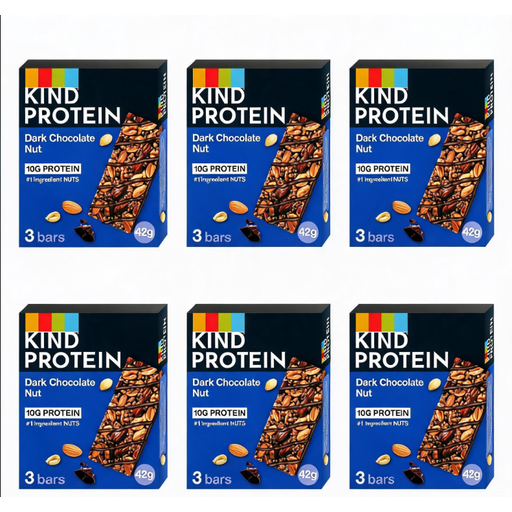 Image unavailable
KIND Protein Dark Chocolate Nut Bars, 3 x 42g x 6pcs
If the dark-chocolate-and-nut flavour appeals, compare protein, sugars and fibre for one 42g bar rather than for the full bundle. Read the exact ingredients and allergen statement before taking a bar to a lecture.
View on Joybuy
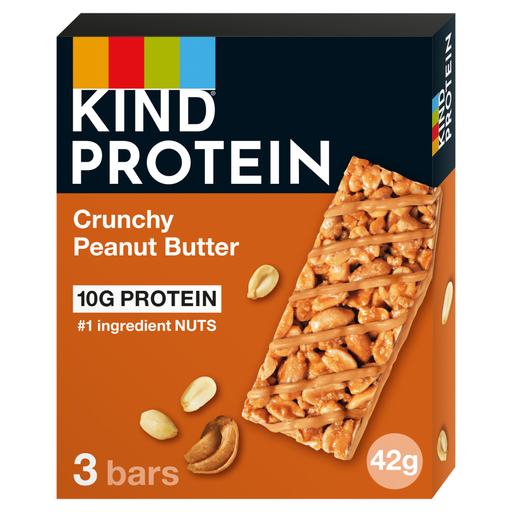 Image unavailable
KIND Protein Crunchy Peanut Butter Bars, 3 x 42g
For this 42g-bar pack, check protein and the rest of the nutrition panel per bar before comparing it with another portion size. Read the precise allergen declaration if the peanut-butter flavour raises an ingredient concern.
View on Joybuy
 Image unavailable
TREK Salted Caramel Protein Flapjacks, 3 x 50g
This is a 50g flapjack, not the TREK High Protein bar range for which TREK states a 15g protein figure. Check the Salted Caramel flapjack’s own per-bar nutrition and allergen label before comparing the two ranges.
View on Joybuy
Frequently asked questions
Does “high protein” tell me how much protein is in one bar?
No. Look for protein in grams for the declared serving and check whether that serving is one bar. A front-of-pack claim does not replace the per-bar nutrition panel.
Which of these examples states the most protein per bar?
Of the examples described by their manufacturers here, TREK states 15g plant-based protein for its High Protein bar range. Nature Valley UK describes around 10g in its 40g Protein Variety Bars, while Eat Natural UK lists 7.8g in its 40g Dark Chocolate & Peanut Protein Bar. The TREK figure should not be applied to its separate flapjack range.
Should one cereal bar be my whole lecture lunch?
A bar’s label tells you about that portion, not whether it will meet your individual lunch needs. Compare its protein, fibre, sugars and energy with whatever else you plan to eat during the day.
How do I check allergens on a cereal bar?
Read the ingredients and allergen information on the physical pack for the exact flavour. The Food Standards Agency says allergens in a prepacked food’s ingredient list must be emphasised; also read any precautionary statement rather than assuming another flavour has the same ingredients.
Does a gluten-free statement settle other allergen questions?
No. Nature Valley UK and Eat Natural UK describe the specific examples discussed here as gluten free, but their peanut, soya, milk and tree-nut information still needs a separate check on the chosen pack.


