Parents comparing protein per bar
The amount in one wrapped portion is more useful for a packed lunch than a protein-related product name alone. Check the portion weight alongside the grams of protein.


Compare the protein in the individual bar you would pack, rather than choosing by the word “protein” on its wrapper. Nature Valley UK describes around 10g per 40g Peanut & Chocolate bar, TREK describes 9g per Salted Caramel bar, and Eat Natural UK lists 8.0g per 40g Peanut, Almonds & Cocoa bar. Those figures do not settle whether a bar belongs in a particular lunchbox: check its current ingredients and precautionary allergen statement against the child’s needs and the school’s arrangements.
The amount in one wrapped portion is more useful for a packed lunch than a protein-related product name alone. Check the portion weight alongside the grams of protein.
Ingredients and “may contain” statements matter alongside the individual school’s allergy arrangements, particularly when a bar contains peanuts or other nuts.
A vegan or gluten-free label answers one dietary question, not every allergen question. Check the complete declaration for the child and the school before packing a bar.
Start with the portion and protein figure, then check whether the same bar meets the relevant dietary and school requirements.
| Priority | What to check | Your needs |
|---|---|---|
| Protein per bar | Read grams of protein and portion weight for one bar. Nature Valley UK describes around 10g per 40g Peanut & Chocolate bar; TREK describes 9g per Salted Caramel bar; Eat Natural UK lists 8.0g per 40g Peanut, Almonds & Cocoa bar. | I want to compare the portion going into the lunchbox, rather than assume bars labelled “protein” contain the same amount. |
| Allergens and school rules | Check the current ingredients, bolded allergens and precautionary statements, then the school’s own packed-lunch and allergy arrangements. | A bar containing peanuts or carrying a nut precautionary statement may not fit my child’s needs or the school’s arrangements. |
| Dietary labels | Look for the required vegan or gluten-free label on the exact flavour, alongside its full allergen declaration. Do not read “gluten free” as “nut free”. | If I need a vegan or gluten-free bar, I still need to check its other ingredients and “may contain” wording. |
| Whole-bar nutrition | Compare sugars, saturates and fibre for the portion you would pack, as well as protein. Check the bar weight before comparing figures from different packs. | Protein is only one part of my choice; I want to see what the complete bar contains. |
Protein figures refer to different portions, including 40g and 50g bars, so a product name alone does not give you a like-for-like lunchbox amount.
Read the grams per individual bar and its weight. Check the rest of that bar’s nutrition panel too.
A gluten-free bar can still contain peanuts or carry a precautionary statement about nuts. Neither label establishes that it fits a school’s arrangements.
Check the current pack’s ingredients and “may contain” wording, then consult the school’s current policy.
A protein figure does not describe the bar’s portion size, sugars, saturates or ingredients.
Compare the complete per-bar panel and allergen declaration before deciding which bar to pack.
Nature Valley UK describes its Protein Peanut & Chocolate bar as a gluten-free option with around 10g protein per 40g bar.
TREK describes its Salted Caramel protein flapjack as vegan and gluten free, with 9g plant-based protein per bar.
Eat Natural UK lists 8.0g protein per 40g Peanut, Almonds & Cocoa bar.
Graze describes a snack range that includes products positioned around plant protein or fibre.
Kellogg's UK lists protein bars within its Special K range.
Alpen bars are another range to assess by the individual product label rather than the brand name.
These cereal-bar, nut-bar and flapjack options offer different flavours and pack formats for comparison. Check each exact product’s current nutrition and allergen label, as well as the school’s arrangements, before choosing one for a packed lunch.
 No image available
The 40g bar format lets you compare one lunchbox portion; Nature Valley UK describes around 10g protein per bar. This flavour contains peanuts, soya and milk and may contain tree nuts, so check the current pack and school arrangements.
 No image available
Another 40g Nature Valley nut-bar format to compare by its own per-bar nutrition panel. Check this flavour’s peanut, almond, soya and milk declarations against the child’s requirements and the school’s arrangements.
 No image available
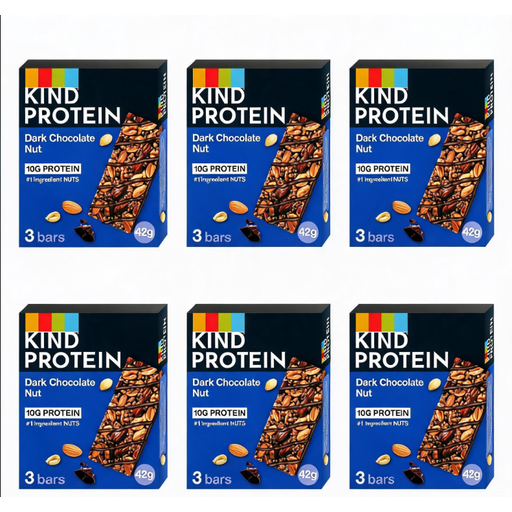
The product name specifies 42g bars in a multipack. Compare the nutrition for one bar and check its nut and other allergen declarations before considering it for school.
 No image available
TREK describes this flavour as vegan and gluten free, with 9g plant-based protein per bar. Its 50g portion differs from the 40g bars above; check the complete current allergen statement and school arrangements too.
 No image available
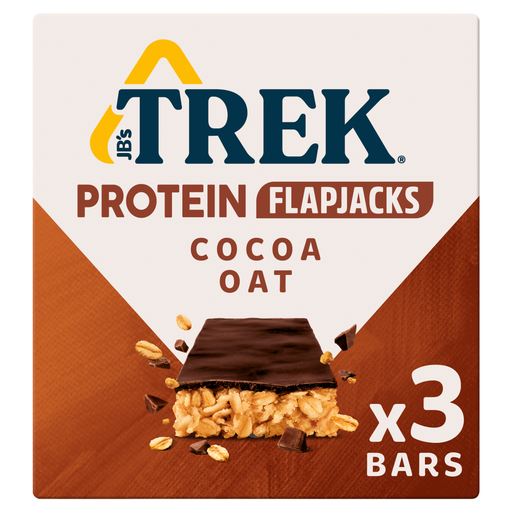
This cocoa-and-oat flapjack comes in a 3 × 50g format. Use this flavour’s own per-bar nutrition, dietary labels and allergen statement when comparing it with Salted Caramel or a smaller bar.
No. Nature Valley UK describes around 10g in a 40g Peanut & Chocolate bar, TREK describes 9g in a Salted Caramel bar, and Eat Natural UK lists 8.0g in a 40g Peanut, Almonds & Cocoa bar. Compare the figure and portion weight on the exact pack you intend to use.
Check the school’s current packed-lunch and allergy arrangements first, as well as the child’s own requirements. A child being able to eat peanuts does not, by itself, establish that a peanut bar fits that school’s arrangements.
No. The Nature Valley Peanut & Chocolate and Eat Natural Peanut, Almonds & Cocoa options described here contain peanuts. Read both the ingredients and precautionary statements on the current pack, then check the school’s policy.
The Department for Education’s School Food Standards guidance addresses food and drink provided in state-funded schools in England; it is not a substitute for checking the individual school’s packed-lunch and allergy arrangements for food brought from home.