Coeliac shoppers comparing protein per bar
Look for a gluten-free claim on the current pack, then compare protein per serving and the serving weight. A protein-focused name alone does not establish gluten-free suitability.


Choose a cereal bar with a gluten-free claim on its current pack before comparing protein per bar. Nature Valley lists around 10 g protein for its reviewed 40 g Protein bars, while TREK Cocoa Oat lists 9 g for a 50 g flapjack; check the other allergens and whether gluten-free oats suit you before choosing between them.
The useful starting point depends on whether protein, oats or another allergen narrows your choice.
Look for a gluten-free claim on the current pack, then compare protein per serving and the serving weight. A protein-focused name alone does not establish gluten-free suitability.
TREK describes its Cocoa Oat flapjack as gluten-free and vegan, with 9 g plant protein per bar. Coeliac UK notes that a small number of people with coeliac disease are sensitive even to gluten-free oats, so this option depends on whether oats suit you.
Check the full ingredient and precautionary-allergen statements as well as the gluten-free claim. The reviewed Nature Valley recipes contain peanut, soya and milk; TREK Cocoa Oat may contain peanuts, nuts and milk.
Check the current pack for gluten-free labelling and allergens first, then compare protein using the stated serving size. Coeliac UK’s Shopping Habits 2025 survey covered 3,785 members; its trademark finding concerns trust among those respondents, not protein-bar preferences.
| Priority | What to check | Your needs |
|---|---|---|
| Gluten-free labelling | Check the exact current pack for a gluten-free claim and read its ingredients. The Food Standards Agency describes the UK gluten-free labelling threshold as no more than 20 mg/kg of gluten in the food as sold. | I want a clearly labelled bar rather than relying on its appearance or brand. Coeliac Commercial reported in January 2026 that 74% of the 3,785 Coeliac UK members surveyed for Shopping Habits 2025 trusted the Crossed Grain Trademark more than a gluten-free statement. |
| Protein per bar | Compare grams of protein alongside serving weight. Nature Valley UK lists 10.2 g per 40 g Peanut & Chocolate bar; TREK lists 9 g per 50 g Cocoa Oat bar. | For a protein-focused snack, I want to know what one bar supplies, not just what the front of the pack calls it. |
| Gluten-free oats | For an oat flapjack, check that the oats are specified as gluten-free. Coeliac UK explains that standard oats can be contaminated during production and that a small number of people are sensitive even to gluten-free oats. | If oats are part of my choice, I need to know whether gluten-free oats suit me personally. |
| Other allergens and nutrition | Read ingredients and “may contain” statements for peanut, other nuts, soya and milk. Compare sugars, saturates, fibre and energy per stated bar as well as protein. | A gluten-free claim does not answer my other allergen questions. I also want the full nutrition panel before choosing a multipack. |
Coeliac UK says standard oats can be contaminated with wheat, barley or rye during production. A small number of people with coeliac disease are also sensitive to gluten-free oats.
Check for a gluten-free claim on the exact bar and for gluten-free oats in its ingredients. If oats cause symptoms or you are unsure whether to include them, seek individual clinical advice.
Nature Valley UK lists 10.2 g protein for a 40 g Peanut & Chocolate bar, alongside 196 kcal, 6.9 g sugars and 3.0 g saturates per bar. Protein is only one part of that serving’s nutrition information.
Compare the serving weights and the nutrition panels on the same per-bar basis before choosing a multipack.
The reviewed Nature Valley Protein recipes contain peanut, soya and milk. TREK Cocoa Oat may contain peanuts, nuts and milk, despite its gluten-free and vegan descriptions.
Read both the ingredients and precautionary statements on the current pack, and do not choose a bar that conflicts with your allergy requirements.
Recipes can change. Food Standards Agency recall alerts have also covered free-from products with undeclared wheat or gluten.
Recheck the pack before eating and follow the Food Standards Agency’s instructions if an alert identifies an affected product or batch.
These examples concern particular products or ranges, not every bar a brand makes. Check the exact product and current pack.
Nature Valley UK describes its Protein Peanut & Chocolate and Salted Caramel Nut bars as gluten-free, with around 10 g protein per 40 g bar.
TREK describes Cocoa Oat as a gluten-free, vegan oat flapjack with 9 g plant protein per bar.
Graze describes a range that includes oat flapjacks and snacks with differing nutritional attributes.
Alpen’s Original muesli lists toasted wheat flakes, illustrating why a familiar cereal brand name cannot establish gluten-free suitability.
Kellogg's describes its Special K Red Berry Bar as containing rice, wheat and barley.
These Nature Valley Protein bars and TREK flapjacks offer two formats to consider for coeliac shopping: compact nut-based bars and oat-based flapjacks. Check the current pack of the variant you choose for its gluten-free claim, nutrition and allergens.
 Image unavailable
For a compact protein-bar format, Nature Valley UK describes this bar as gluten-free, with around 10 g protein and 4 g fibre per bar. The reviewed recipe contains peanut, soya, almond and milk; check the current pack before eating.
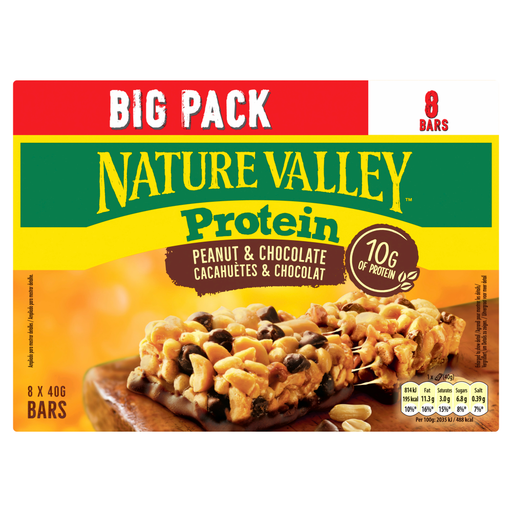 Image unavailable
Nature Valley UK describes this as a gluten-free bar and lists 10.2 g protein per 40 g bar. It contains peanut, soya and milk and may contain tree nuts; read the current pack’s allergen and nutrition information.
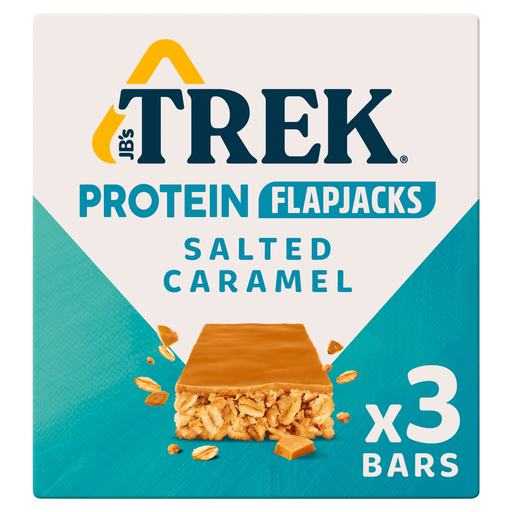 Image unavailable
For this oat-flapjack option, check the exact pack for a gluten-free claim, the protein amount per 50 g bar and its allergen statement, including soya. Coeliac UK advises that a small number of people with coeliac disease are sensitive even to gluten-free oats.
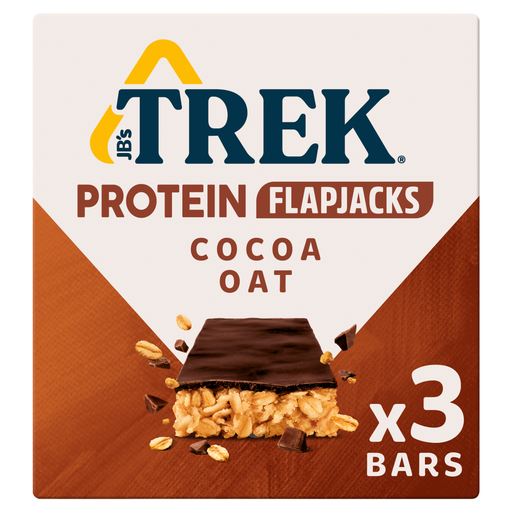 Image unavailable
TREK describes Cocoa Oat as a gluten-free, vegan flapjack with 9 g plant protein per bar and gluten-free oats in its ingredients. Check the current pack for soya and its precautionary statements for peanuts, nuts and milk; gluten-free oats do not suit everyone with coeliac disease.
The Food Standards Agency describes the UK gluten-free labelling threshold as no more than 20 mg/kg of gluten in the food as sold to the final consumer. Check the current bar’s pack rather than assuming an earlier listing describes the same recipe.
A flapjack made with gluten-free oats may be an option if those oats suit the individual. Coeliac UK says standard oats can be contaminated during production and a small number of people with coeliac disease are sensitive even to gluten-free oats. Check the exact product’s gluten-free claim and seek individual clinical advice if oats cause symptoms or you are unsure.
The trademark is not the only label to check: the Food Standards Agency sets out a threshold for UK foods labelled gluten-free. Look for the gluten-free claim on the current pack and read its ingredients and allergen statement, whether or not the trademark appears.
No. Nature Valley’s reviewed Peanut & Chocolate and Salted Caramel Nut recipes contain peanut and milk, as well as soya; Salted Caramel Nut also contains almond. Check the exact current pack for the complete allergen statement.
Check the Food Standards Agency’s current allergy alert for the affected product and batch, then follow its recall instructions. The agency has issued alerts concerning free-from products with undeclared wheat or gluten, so keep the pack details available until the bars have been eaten.