Families comparing protein per bar
If protein is the reason for choosing a cereal bar, compare the amount in one bar rather than relying on the word on the front of the pack. Portion sizes differ between products.


Compare protein in the individual bar, then check its allergens against the pupil’s needs and the school’s policy. The Nature Valley Peanut & Chocolate bar lists 10g protein per 40g bar, while the vegan, gluten-free TREK Original Oat flapjack lists 9g per 50g bar; either is a lunchbox addition, not a whole lunch.
The right bar depends on the portion being packed, the pupil’s dietary requirements and what their school permits.
If protein is the reason for choosing a cereal bar, compare the amount in one bar rather than relying on the word on the front of the pack. Portion sizes differ between products.
Check that the exact product carries the required label, then read its complete allergen statement. Vegan or gluten-free does not mean suitable for every allergy.
Ingredients and precautionary allergen statements matter more than a protein claim when the pupil’s requirements or the school’s policy restrict peanuts, nuts, milk, soya or particular cereals.
Start with any allergen restrictions, then compare nutrition for the portion that will actually go in the lunchbox.
| Priority | What to check | Your needs |
|---|---|---|
| School and allergen fit | Read the exact pack’s ingredients and allergen statement, including any ‘may contain’ wording. Check the school’s current policy before packing it. | I need a bar that fits both the pupil’s dietary requirements and the school’s rules. In England, Department for Education guidance says schools should consider food brought from home in their allergy-safety approach. |
| Protein per bar | Compare grams per individual bar alongside bar weight. The Nature Valley Peanut & Chocolate listing gives 10g per 40g bar; Sainsbury’s lists 9g per 50g TREK Original Oat flapjack. | A smaller bar may be easier to fit into the lunchbox, but I want to know how much protein that actual portion contains. |
| Other nutrition | Compare sugars, fibre and saturated fat for the same serving basis. Where available, use the traffic-light label to see how its stated measures are classified. | Protein is one consideration; I also want to compare the rest of the nutrition panel before choosing between bars. |
| Place in lunch | Plan the other lunch components rather than treating one packaged bar as the meal. The NHS Eatwell Guide describes dietary balance over a day or week, not within every item. | I’m packing a bar as one part of lunch, with other foods that suit the pupil’s needs. |
The stated amounts differ: Tesco lists 10g per 40g Nature Valley Peanut & Chocolate bar, Eat Natural lists 7.8g per 40g peanut-and-chocolate bar, and Tesco lists 2.3g per 30g Graze Honey Oat Boost bar.
Compare the nutrition panel for one bar and check its weight before deciding which portion to pack.
The gluten-free Nature Valley Peanut & Chocolate bar contains peanuts, soya and milk, according to its Joybuy allergen listing. A gluten-free label does not resolve those restrictions.
Read the full label, including precautionary statements, and check the school’s policy.
A cereal bar is a single packaged item. The NHS Eatwell Guide describes variety and balance across foods eaten over a day or week.
Pack other suitable lunch components, such as a main item and fruit or vegetables, rather than relying on the bar alone.
A sugar comparison answers a different question from protein content. Tesco lists 2.3g protein per 30g Graze Honey Oat Boost bar.
Decide which measures matter for this lunch, then compare each one on the individual bar’s label.
These examples describe particular bars or product lines, not every product made by each brand.
The Protein Peanut & Chocolate bar is a 40g cereal-bar option with 10g protein per bar, according to Tesco’s product listing.
The Original Oat Protein Flapjack is listed by Sainsbury’s as vegan and gluten-free, with 9g protein per 50g flapjack.
Eat Natural lists 7.8g protein per 40g Dark Chocolate & Peanut Protein Bar.
Honey Oat Boost is an oat-flapjack comparison for shoppers considering measures other than protein alone.
The Special K Red Berry Bar provides a standard cereal-bar comparison: Kellogg’s lists 1.4g protein per 27g bar.
These nut-based bars and oat flapjacks offer different portion sizes and flavours for a secondary-school lunchbox. Check each pack’s allergens and the school’s policy before choosing one.
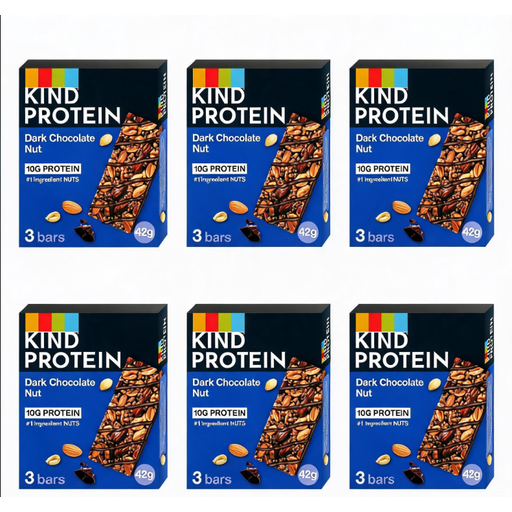 No image available
A nut-bar option for a packed lunch if nuts are permitted. The product information identifies peanuts, almonds and soya, with possible milk and other nuts; check the exact pack and school policy.
 No image available
The 4 x 40g pack offers individual bars to consider for a lunchbox. Its product information identifies peanuts, almonds, milk and soya; check the pack and school policy before packing one.
 No image available
Tesco lists 10g protein per 40g bar for this flavour. Joybuy’s allergen information says it contains peanuts, soya and milk and may contain nuts, making the pupil’s requirements and school policy decisive.
 No image available
This is an 8 x 40g pack of the Peanut & Chocolate bars. Check the exact pack’s nutrition and allergen statements, along with the school’s policy, before putting a bar in the lunchbox.
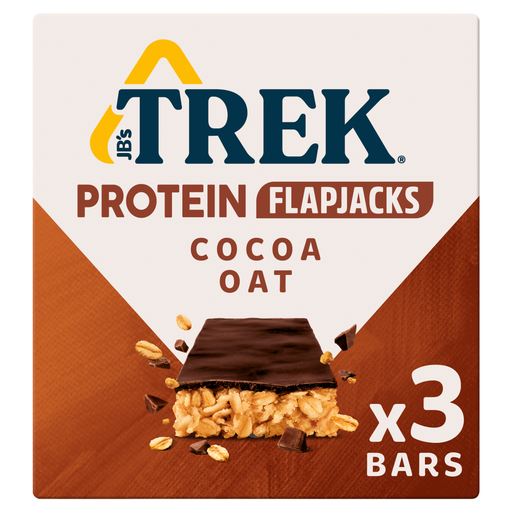 No image available
These cocoa oat flapjacks come in a 3 x 50g pack. The product information identifies soya; check this flavour’s full label for other allergen statements and compare its own nutrition panel rather than using figures from the Original Oat flapjack.
No. Pack it as one component rather than the entire lunch. The NHS Eatwell Guide describes variety and dietary balance over a day or week, so consider the other foods the pupil will have as well.
Tesco lists 10g protein in a 40g Nature Valley Peanut & Chocolate bar; Sainsbury’s lists 9g in a 50g TREK Original Oat flapjack, and Eat Natural lists 7.8g in its 40g peanut-and-chocolate bar. Protein does not override allergen restrictions or school policy.
Check the individual school’s current policy and the pupil’s dietary requirements before packing it. Department for Education allergy-safety guidance for England says schools should consider food brought from home; it does not establish one permission rule for every school.
No. The Nature Valley Peanut & Chocolate bar is described as gluten-free, but Joybuy’s listing says it contains peanuts, soya and milk and may contain nuts. Read the complete statement on the pack you intend to send.
Check the bar’s weight, sugars, fibre, saturated fat and allergen statement. Compare nutrition on the same serving basis, and use traffic-light labelling where it appears on the pack to understand the labelled measures.