
24/7 Customer Support

Free returns

Same-day & Next-day Delivery

Quality Guaranteed

Unlock Your Welcome Offers: FREE Delivery | Up to 80% OFF | Free 30-day JoyPlus trial
Download the APP
Buying protein and collagen supplements can seem straightforward until you compare serving sizes, ingredient lists, dietary claims and flavour options. A large tub is not automatically good value, while a low-calorie formula may not provide the nutrients your training routine requires.
For UK gym-goers, runners, bodybuilders and wellness-focused shoppers, the key is matching the formulation to your actual goal. Use this guide to avoid common buying traps and compare suitable options available through Joybuy.
A product may advertise a large pack size, but the more useful figure is protein per serving and the number of servings in the container. Compare like for like: a 2kg whey protein powder may provide a different protein percentage from a 500g plant-based protein powder.
Also check whether the stated serving is measured by weight or by scoops. Scoops are estimates and can vary, so a kitchen scale is useful when accurate intake matters.
Low-sugar protein powder can be useful for calorie-controlled diets, but it may still contain milk, soya, sweeteners or other ingredients that do not suit you. Clear whey protein often has a lighter, fruit-style format, but it is still usually made from milk-derived whey and is not suitable for people avoiding dairy.
Similarly, a vegan protein powder may contain soya. Always check the full allergen declaration rather than relying only on terms such as “plant-based” or “dairy-free”.
An EAA powder supplies essential amino acids, while a whey protein powder supplies a larger quantity of complete protein. Collagen peptides are a separate category and should not automatically replace a main protein source for sports nutrition.
Marketing terms such as “rapid recovery”, “beauty support” or “advanced formula” do not tell you whether the product fits your daily nutrition. Focus on the ingredient panel, nutritional table, recommended serving and dietary suitability.
For a conventional protein powder, compare grams of protein per serving, not just the percentage printed on the front. The supplied products include options providing approximately 20–24g protein per serving, while Applied Nutrition BEEF-XP lists 27.3g per 30g serving.
An essential amino acid supplement can be useful when you specifically want all nine EAAs without adding a substantial amount of calories. For example, MyProtein Impact EAA provides a listed blend of leucine, lysine, isoleucine, valine and other essential amino acids. The Pink Grapefruit version lists zero sugar and zero calories per serving, but customers should still verify the current label before purchase.
Common sources include:
If you follow a vegetarian or vegan diet, an EAA powder may fit more easily than whey or collagen. However, “vegetarian-friendly” and “vegan” should be confirmed on the product page and packaging.
A post-workout recovery supplement may include more than protein. MYPROTEIN THE Recovery, for example, lists 20g hydrolysed whey protein, 15g carbohydrate and electrolytes per serving. That may suit demanding training sessions, but it is different from a low-sugar protein powder intended for everyday intake.
For lighter drinks, Applied Nutrition Clear Whey lists approximately 21.27g protein and 90 kcal per 25g serving, with watermelon or strawberry and lime flavour options. For collagen, compare the collagen amount per scoop separately from total protein. Osavi Marine Collagen lists 9.5g protein per 12g scoop, while its product information also identifies vitamin C and fish collagen peptides.
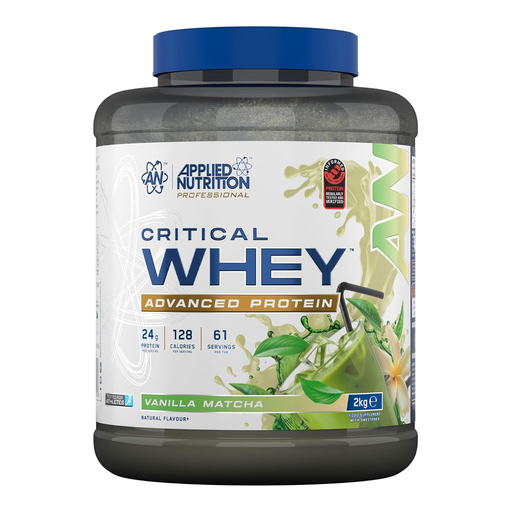
Why This Fits Their Persona: The 2kg format gives regular users a larger supply for shakes between meals or after training, without requiring frequent reordering.
The product information lists the whey concentrate and isolate sources, approximate protein per serving and milk and soya allergens.
Large 2kg pack; blend of whey concentrate and isolate; suitable for shakes or between-meal use.
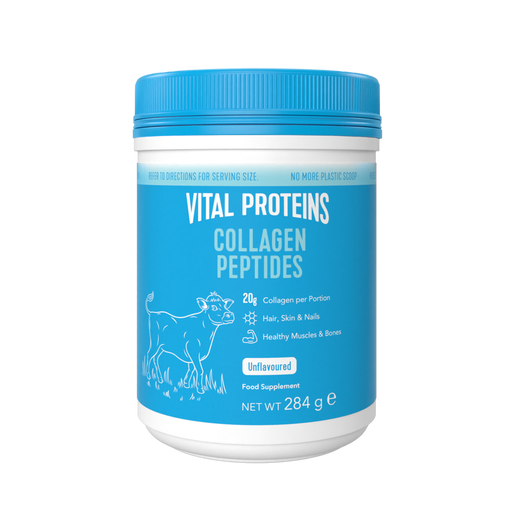
Why This Fits Their Persona: Adults wanting a neutral daily collagen powder can mix the unflavoured format into hot or cold drinks, including coffee, juice or smoothies.
It lists a simple bovine collagen peptide ingredient and clearly identifies that it is not a dairy-based protein powder.
Unflavoured and soluble; 10g protein per listed serving; no added sugar or dairy according to the supplied product details.
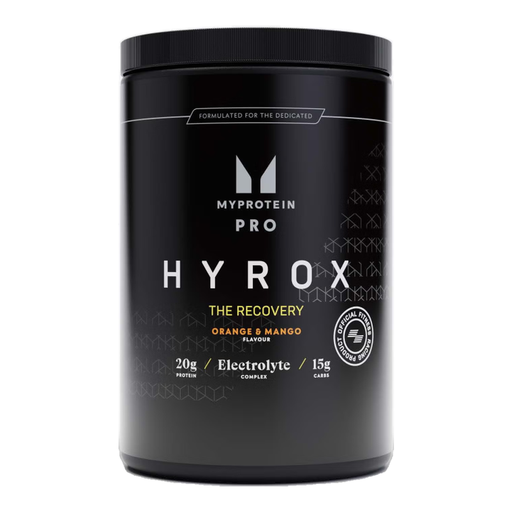
Why This Fits Their Persona: People completing long, intense sessions may prefer a combined post-workout recovery supplement rather than adding separate protein and electrolyte products.
The nutrition panel separates protein, carbohydrate and electrolyte quantities, making it easier to judge whether the formula suits your session.
Lists 20g hydrolysed whey protein; includes 15g carbohydrate and 966mg electrolytes per serving; vegetarian-friendly but contains milk.
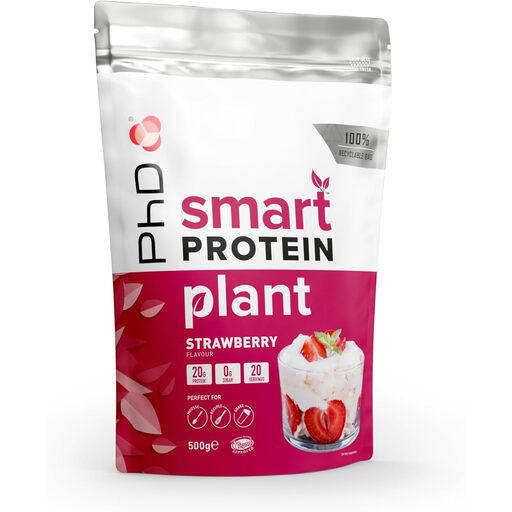
Why This Fits Their Persona: Vegetarian and plant-focused adults can use this powder in shakes, smoothies, baking and desserts rather than limiting it to one preparation style.
The product details state the pea and soya protein sources and provide a serving-based nutrition table, including zero sugar.
20g protein per 25g serving; includes vitamin B6, B12, iron and zinc; suitable for plant-based diets, but contains soya.
We have compiled a complete, real-time list of products that fully meet these strict selection criteria and UK safety regulations.
Choose whey protein powder when you need a convenient source of complete protein. Consider an EAA powder when you specifically want essential amino acids with little or no sugar and calories. Choose collagen peptides for a collagen-focused supplement; bovine collagen powder and marine collagen powder have different animal sources and allergen considerations.
They can be used in the same overall diet, but check the serving sizes and total daily intake. Collagen should not automatically be counted as a complete replacement for a varied protein source. If you have a medical condition, take medication, are pregnant or breastfeeding, ask a healthcare professional before use.
Follow the best-before date and storage instructions on the packaging. Keep tubs and pouches tightly sealed in a cool, dry place away from sunlight and moisture. Discard powder if it develops an unusual smell, colour, texture or persistent clumping, and always check the label before consumption.