
24/7 Customer Support

Free returns

Same-day & Next-day Delivery

Quality Guaranteed

Unlock Your Welcome Offers: FREE Delivery | Up to 80% OFF | Free 30-day JoyPlus trial
Download the APP
Protein drinks and supplements can make it easier to meet your daily nutrition needs, but the category is crowded with oversized claims and confusing labels. A drink may look like a useful post-workout option while containing less protein than expected, or a “low-sugar” product may still contribute more calories than your routine allows.
The following guide explains what to check before buying protein drinks and supplements, with practical product matches for different lifestyles.
A large bottle or can does not automatically provide a substantial protein serving. Compare the protein per bottle, not just the pack size or front-of-pack wording. Ready-to-drink protein shakes may contain around 20g to 42g per bottle, while clear protein drinks and collagen protein drinks may provide closer to 10g or 30g, depending on the format.
Also check whether the stated serving is the entire bottle. Some powders list nutrition per scoop, while drinks normally list values per 250ml, 330ml or 500ml container.
“No added sugar” means that sugar has not been added during production; it does not necessarily mean the product contains no sugar. Milk-based shakes can contain naturally occurring milk sugars. For example, a 330ml Applied Nutrition shake lists 11.6g of sugar per bottle despite having no added sugar.
If sugar intake is a priority, look for the actual sugars per serving. Zero-sugar fitness drinks and clear protein drinks often use sweeteners instead, so read the ingredients list if you prefer to avoid sucralose, acesulfame K or steviol glycosides.
Whey protein powder and milk-based shakes contain milk and are unsuitable for people with a milk allergy. “Vegetarian” does not mean dairy-free, and a product made without gluten may still be produced in a facility handling cereals or other allergens.
For specific dietary requirements, check the label for:
Whey protein powder is a dairy-derived protein commonly used by gym-goers because it can be mixed into water, milk or another drink. The Optimum Nutrition Gold Standard bundle provides 24g of protein per 31g serving, with whey protein isolate as the primary ingredient. It also lists milk and soya allergens.
Milk-based ready-to-drink shakes are convenient for commuting, work or post-gym use. Collagen protein drinks use hydrolysed bovine collagen peptides, while beef protein drinks use beef protein isolate. These are different protein sources and should not be treated as identical products.
For general protein intake, compare the grams per serving and ingredients. For a supplement specifically intended to complement resistance training, consider how it fits into your total daily diet rather than relying on timing claims.
Low-sugar protein drinks can suit people tracking calories, but compare the full nutrition panel. A product with 20g of protein may have a different calorie profile from one with 30g or 42g.
Useful reference points from the listed products include:
This makes portion size important. A larger bottle can provide more protein, but it also represents a larger single serving.
Creatine monohydrate is not a protein supplement. It is a separate sports nutrition ingredient used by adults who want to include creatine in a training routine. The Optimum Nutrition Fruit Punch product provides a 4.5g serving containing 3.4g creatine monohydrate, with a recommended maximum of one serving per day.
Electrolyte hydration drinks are also different from protein drinks. Cadence Core Hydration Drink contains 500mg active electrolytes per 330ml can, including 190mg potassium and 30mg magnesium, but it contains 0g protein. It may suit hydration-focused use, but it cannot replace a protein shake.
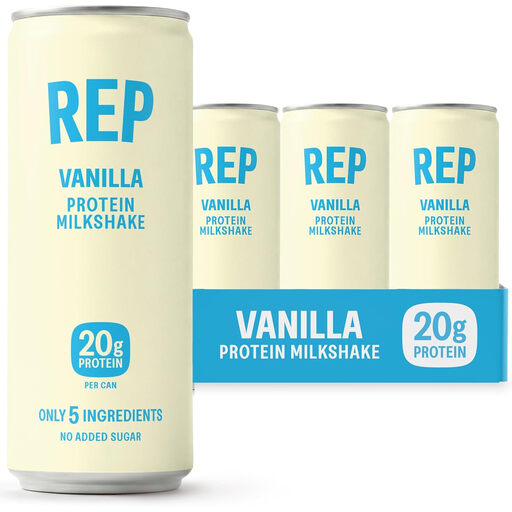
Why This Fits Their Persona: A straightforward option for first-time buyers who want a ready-to-drink protein shake for work, commuting or post-exercise use without mixing powder.
The label states 20.3g protein and 150 kcal per 250ml can, helping shoppers compare a complete serving rather than judging by pack appearance.
Made with five listed ingredients; gluten-free and suitable for vegetarians. Contains milk.
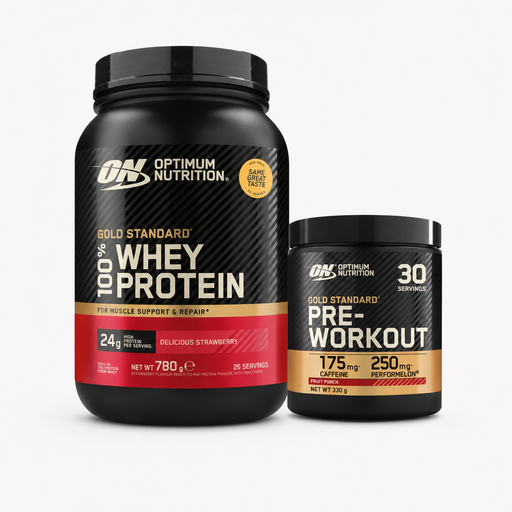
Why This Fits Their Persona: Suitable for regular gym users who prefer measured powder servings and want whey protein alongside a separate pre-workout product.
The serving size is clearly stated at 31g, with 24g protein and 130 calories, so powder-to-liquid ratios are easier to manage.
Whey protein isolate is the primary listed protein source; the product is described as gluten-free and tested for banned substances.
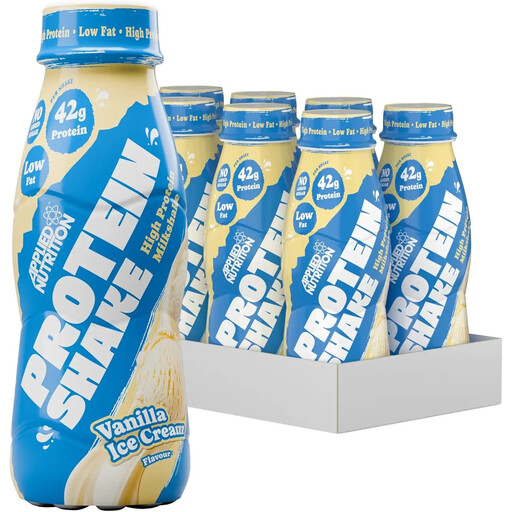
Why This Fits Their Persona: A larger serving for adults who need substantial protein in one portable bottle after training or during a demanding day.
The full 500ml bottle is the stated serving, providing 42g protein and 240 kcal rather than leaving the buyer to estimate the total.
Ready to drink, low in fat and contains no added sugar. Contains milk and sucralose.
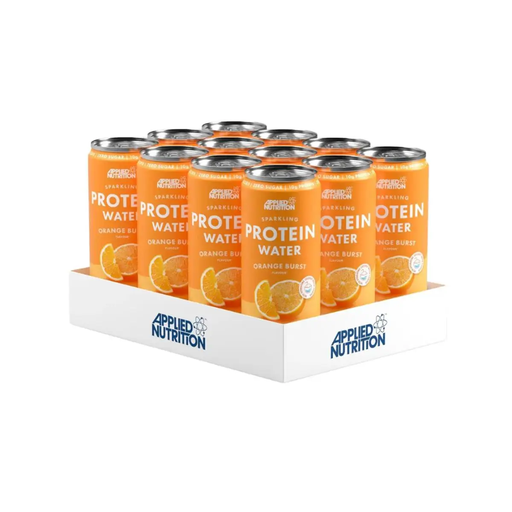
Why This Fits Their Persona: A non-milky alternative for adults seeking a light, sparkling drink with protein and a low-calorie profile.
It states 10g collagen protein, 44 kcal and 0.15g sugar per can, while the product information identifies it as lactose-free, dairy-free, gluten-free and Halal certified.
Contains coconut water powder and vitamin C; uses bovine Type I collagen peptides. Check the label if animal-source ingredients are a concern.
We have compiled a complete, real-time list of products that fully satisfy these strict selection criteria and UK safety regulations.
Powder can offer more servings per pack, but the final cost depends on serving size, liquid used and how often you buy. Ready-to-drink protein shakes cost more per serving in many cases, but they need no shaker, measuring or cleaning. Compare the price per 20g of protein, rather than the pack price alone.
A protein drink can be used after exercise, between meals or whenever it helps you meet your daily intake. There is no need to choose a product solely because its packaging highlights a narrow post-workout window. Follow the serving guidance and consider your overall diet, training plan and personal requirements.
Not necessarily. Collagen protein drinks and whey protein powder come from different sources and have different nutritional profiles. A collagen drink may suit shoppers looking for a dairy-free format, while whey is a milk-derived option commonly used to increase total dietary protein. Check the protein type, amount per serving and dietary suitability before buying.