
24/7 全天候客户支持

免费退货

当日/次日达

品质保障

开启新人专享福利: 全场免邮 | 低至 2 折 | 免费试用 30 天 JoyPlus 会员
下载 Joybuy
Navigating the world of protein drinks can feel overwhelming. Shelves are packed with options, from vibrant ready to drink protein shakes to traditional plant-based protein drinks, all promising to support your fitness and lifestyle goals. However, not all drinks are created equal. As a Joybuy Product Recommendation Officer, my role is to help you see past the marketing and make informed choices. Many consumers find themselves disappointed by products that don't deliver, often due to a few common but easily avoidable pitfalls.
Before you make your next purchase, let's look at the most frequent traps UK shoppers fall into:
To avoid these issues, focus on a few key details on the product label. Understanding these will empower you to choose a drink that truly fits your needs.
The protein in your drink can come from various sources, each with different properties.
Always check the nutritional information per serving. A good rule of thumb for a performance-oriented shake is to look for at least 20g of protein per serving. For low calorie protein drinks, compare the protein content to the total calories. A drink with 20g of protein and 150 calories is more efficient than one with 15g of protein and 250 calories.
Pay close attention to the "of which sugars" line under carbohydrates. A drink designed for health and fitness should have a low sugar content, ideally under 10g per serving, unless it's specifically formulated for endurance recovery where carbohydrates are needed. If you're looking for meal replacement shakes, you'll also want to see a good balance of fibre, vitamins and minerals.
Scan the full ingredient list. While stabilisers and emulsifiers are often necessary to prevent separation and ensure a smooth texture in ready to drink protein shakes, a very long list of artificial sweeteners, colours and unrecognisable chemical names can be a red flag. Products with shorter, more natural ingredient lists are often a better choice for daily consumption.
Based on these practical criteria, here are a few options from our catalogue that align with different needs and preferences.
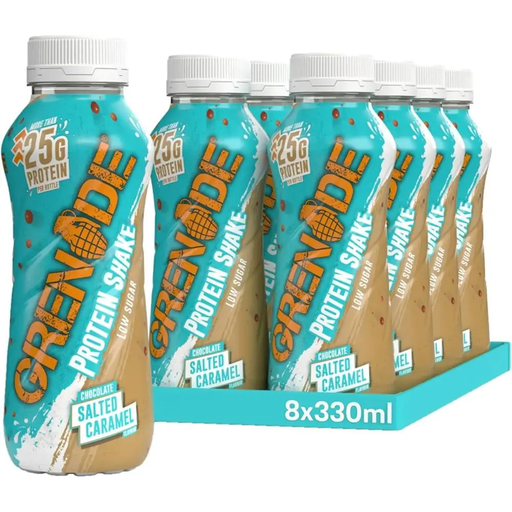
Why This Fits Their Persona: For the gym-goer who needs a convenient and potent protein hit straight after a session, this ready-to-drink format is ideal. The high protein content is geared towards muscle recovery and maintenance.
Its low-sugar formula (6.9g per bottle) sidesteps the hidden sugar trap, while the flavour profile is designed to taste like a treat, avoiding the typical chalky protein shake experience.
Delivers a substantial 26g of milk protein per 330ml bottle. The ready-to-drink format requires no preparation, making it exceptionally convenient.
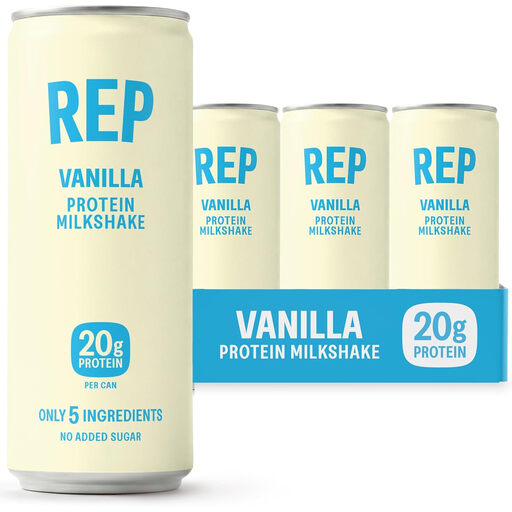
Why This Fits Their Persona: Perfect for the busy professional or health-conscious individual who values clean eating. This drink serves as a satisfying, low-calorie snack to curb hunger between meals without any unnecessary additives.
It directly tackles the additive pitfall with its "only 5 ingredients" promise. It contains no artificial sweeteners, flavours or stabilisers, offering a clean profile that's easy to understand.
An impressively clean and short ingredient list. It provides 20.3g of protein for only 150 kcal, making it an excellent low-calorie, high-protein option.
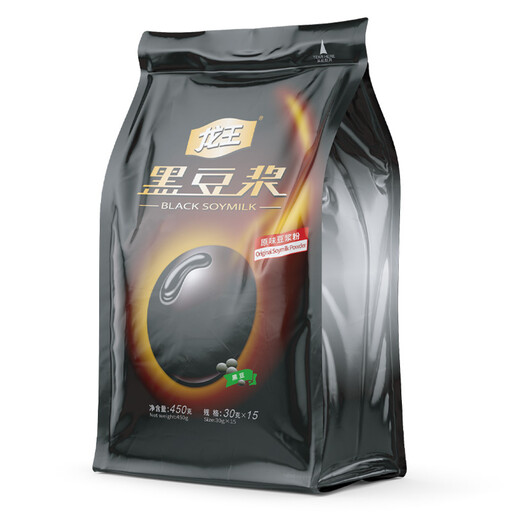
Why This Fits Their Persona: This is for someone seeking a traditional, wholesome and dairy-free protein source. It's less of a "gym shake" and more of a nourishing daily beverage, perfect for breakfast or a comforting drink.
With only two ingredients (black beans and maltose syrup), it completely avoids the additive and artificial flavour pitfalls. The protein source is clear, and the sugar content is extremely low (2g per 100g).
A pure and simple plant-based protein drink made with 60% non-GMO black beans. It offers a rich, authentic soy flavour and comes in convenient single-serve sachets.
We have compiled a complete, real-time list of products that fully satisfy these strict selection criteria and UK safety regulations.
Neither is inherently "better"; it depends on your lifestyle. Ready to drink protein shakes offer maximum convenience—they are perfect for carrying in a gym bag or for a quick nutritional top-up when you're out and about. Protein powders, on the other hand, are generally more cost-effective per serving and allow for more customisation, as you can mix them with ingredients of your choice (like fruit, oats or different types of milk).
This depends on your goal. For muscle recovery after exercise, consuming a post-workout drink within an hour of finishing your session is often recommended. As a tool for managing hunger, a protein drink can be an effective snack between meals to keep you feeling full. Some people also use slower-digesting protein drinks before bed to support muscle maintenance overnight.
You can, but it's important to choose the right product. A standard protein drink is not a complete meal. Look for specific meal replacement shakes that are fortified with a balanced profile of carbohydrates, fats, fibre and a wide range of essential vitamins and minerals. Using a simple protein shake as a meal replacement regularly could lead to nutritional deficiencies. Always check the label to ensure it's designed for that purpose.