
24/7 全天候客户支持

免费退货

当日/次日达

品质保障

开启新人专享福利: 全场免邮 | 低至 2 折 | 免费试用 30 天 JoyPlus 会员
下载 Joybuy
Finding convenient protein drinks and meal replacement shakes should be straightforward, but packaging can make similar products look interchangeable. A ready-to-drink protein shake, a clear protein drink and a meal replacement shake serve different purposes, while a sweetened soya beverage may not provide enough protein to replace either.
As the Joybuy Product Recommendation Officer, I focus on practical label checks rather than promotional language. Before buying, consider these common pitfalls.
Some plant-based beverages contain protein but only around 1–2g per 100ml. For example, Yeo’s Soya Bean Drink provides 2g of protein per 100ml, making it a suitable dairy-free beverage for some shoppers, but not a direct substitute for a high-protein shake.
By contrast, a 330ml milk-based shake may provide 20g of protein, while a 500ml bottle can provide 42g. Always compare the protein per serving, not just the front-of-pack wording.
A low-calorie protein drink may be useful for shoppers monitoring energy intake, but calorie values vary considerably. An unsweetened or no-added-sugar formula can still contain naturally occurring milk sugars. Check energy, carbohydrate and sugars per serving before making a purchase.
A protein drink is generally intended to increase protein intake or provide a convenient snack. A meal replacement shake is formulated for a different role and may contain added fibre, vitamins and minerals. However, serving instructions and preparation liquid affect the final nutritional values. A shake prepared with skimmed milk will not have the same calories or protein as one mixed with water.
Look for the protein quantity per bottle, can or prepared serving. A high-protein shake may suit post-workout recovery or busy days, while lower-protein soya, nut or sesame drinks are more suitable as refreshments or breakfast accompaniments.
Protein sources include:
A low-calorie protein drink can range from around 10 calories in an amino-acid and electrolyte beverage to approximately 240 calories in a 500ml milk-based shake. “Sugar-free” products may use sweeteners, so read the ingredients list if you have preferences about sucralose, acesulfame K or other sweeteners.
For meal replacement products, check whether the nutrition panel refers to powder alone or the prepared serving. This distinction is particularly important when comparing a weight management shake with an ordinary protein drink.
Check the complete ingredients list and allergen statement, especially if you require a dairy-free protein drink, lactose-free, gluten-free, Halal, vegetarian or vegan option.
Milk-based products are not suitable for people with milk allergies, and soya drinks contain soya allergens. Nut and sesame beverages require additional caution. “Made in a facility handling” statements may also matter for people with severe allergies. Packaging and formulations can change, so check the current label before consumption.
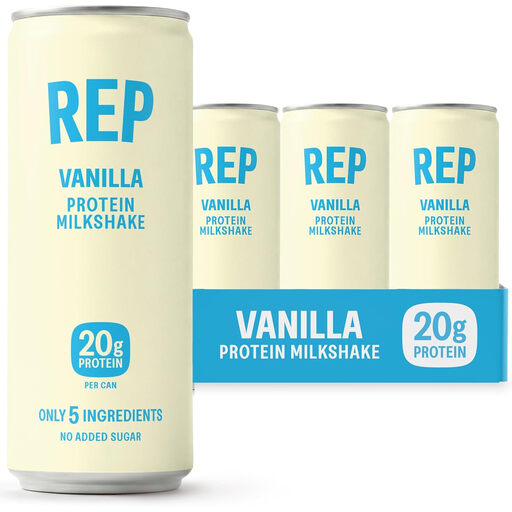
Why This Fits Their Persona: A straightforward option for UK shoppers wanting a portable everyday protein drink without mixing powder.
The label states 20.3g of protein and 150 calories per 250ml can, making comparison easier than judging by package claims alone.
Five listed ingredients, gluten-free formulation and vegetarian suitability.
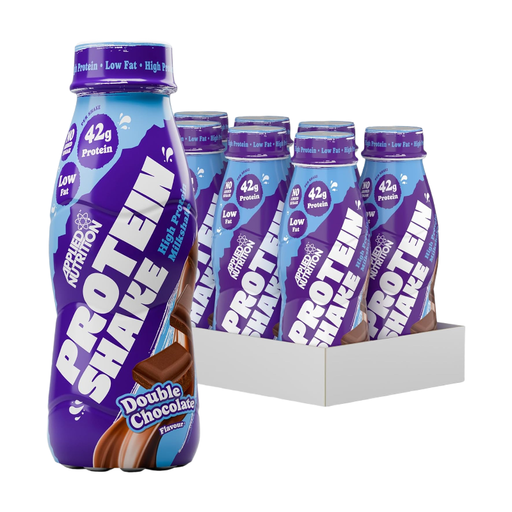
Why This Fits Their Persona: A substantial ready-to-drink protein shake for adults who prefer a larger serving after training or during a demanding day.
Its nutrition panel clearly states 42g of protein and 240 calories per 500ml bottle, rather than relying on vague “high protein” wording.
Ready to drink, low in fat and contains no added sugar; contains milk.
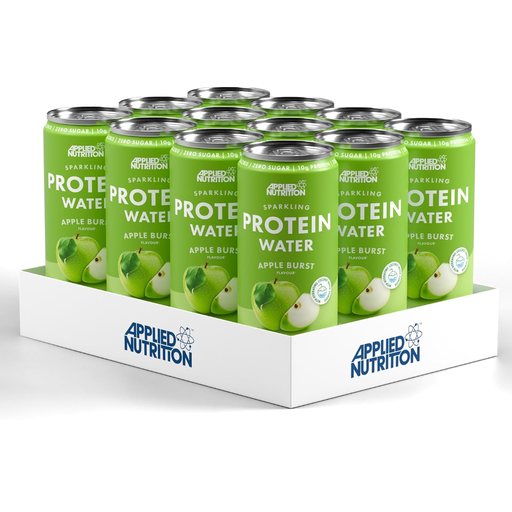
Why This Fits Their Persona: Suitable for adults who prefer a light, fizzy post-workout recovery drink instead of a creamy shake.
It provides measurable nutrition per 330ml can: 10g protein, 44 calories and 0.15g sugar, while the format makes the serving size clear.
Sparkling format, dairy-free, lactose-free, gluten-free and Halal certified; contains bovine collagen.
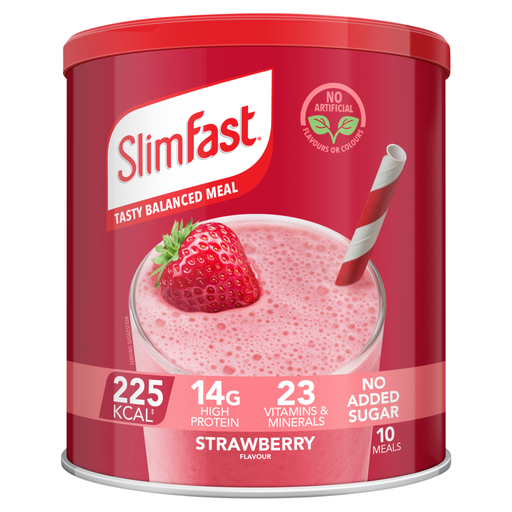
Why This Fits Their Persona: Designed for adults following a structured calorie-controlled plan who want a prepared breakfast or lunch alternative.
The stated serving uses 36.5g powder with 250ml skimmed milk and provides 230 calories, 15g protein and 4g fibre.
Includes a vitamin and mineral blend; contains milk and soya and is suitable for vegetarians.
We have compiled a complete, real-time list of products that fully satisfy these strict selection criteria and UK safety regulations.
They can form part of a varied, balanced diet, but they should not automatically replace ordinary meals. Follow the serving guidance on the product label and consider your total daily intake of protein, calories and fluids. Supplements are not a substitute for a varied diet.
This depends on your nutritional target. A milk-based ready-to-drink protein shake provides a larger protein serving, while a clear protein drink or sparkling protein water offers a lighter texture. Products containing caffeine, such as an amino-acid and electrolyte energy drink, should be checked carefully for caffeine content and warnings.
They may be used within a structured energy-restricted diet, provided the label’s instructions are followed. Check the prepared serving size, use the recommended liquid and do not rely on shakes as the sole source of nutrition. People who are pregnant, breastfeeding, under 18, taking medication or managing a health condition should seek appropriate medical advice before use.