
24/7 Customer Support

Free returns

Same-day & Next-day Delivery

Quality Guaranteed

Unlock Your Welcome Offers: FREE Delivery | Up to 80% OFF | Free 30-day JoyPlus trial
Download the APP
Protein drinks can make it easier to increase daily protein intake when work, commuting or training leaves little time for food preparation. However, not every bottle, can or powder labelled as a protein drink delivers the same amount of protein or suits the same purpose.
Whether you need a ready-to-drink protein shake, a low-calorie protein shake, a meal replacement or a dairy-free alternative, checking the label is more useful than relying on front-of-pack marketing.
A nut drink, soya milk drink or cereal beverage may be plant-based but contain relatively little protein per serving. For example, some ready-to-drink nut beverages provide around 1g of protein per 100ml, while specialist protein products may provide 20g or more per bottle.
If protein intake is your priority, compare the protein per serving, not simply the words “plant protein” or “natural protein” on the packaging.
Sugar is only one part of a drink’s energy content. Fat, milk solids and serving size can also affect calories. A creamy drink may have more energy than expected, while a clear protein drink can offer a lighter texture and fewer calories.
Always compare the full nutrition panel, particularly energy, protein, carbohydrate, sugars and fat per bottle or serving.
A protein shake is not automatically a meal replacement. Meal replacement shakes are formulated for a different use and may include fibre, vitamins and minerals alongside protein. A standard ready-to-drink protein shake may be more suitable between meals or after exercise, but it may not provide the broader nutritional profile of a meal.
Check the directions and intended use before replacing breakfast or lunch.
For convenient high-protein drinks, compare the grams of protein in the actual serving. Examples in the Joybuy range include:
The source matters for dietary suitability and taste. Milk protein contains the allergen milk and is unsuitable for people avoiding dairy. Beef protein isolate can provide a dairy-free alternative, while collagen products are not vegetarian or vegan because they are bovine-derived.
For vegetarian or plant-based diets, inspect the complete ingredient list. Some soya or nut drinks are suitable for vegetarians but contain much less protein than dedicated sports nutrition products.
A low-calorie protein shake can be useful when you want protein without adding a large amount of energy to your daily intake. The Applied Nutrition strawberry shake provides 198 kcal and 20g of protein per 330ml bottle, while the REP vanilla shake provides 150 kcal and 20.3g per 250ml can.
Clear formats may be lower in calories. The Applied Nutrition sparkling collagen drink contains 44 kcal and 10g of protein per can. However, a lower calorie count usually comes with a smaller protein serving, so compare both figures together.
Also distinguish “no added sugar” from “sugar-free”. These descriptions are not interchangeable, and the nutrition table remains the clearest reference.
UK shoppers should check highlighted allergens before purchase. Common ingredients include milk, soya, peanuts, tree nuts and sesame. A product described as dairy-free may still be made in a facility that handles milk, so people with allergies should read the current packaging carefully.
For convenience, a ready-to-drink protein shake requires no shaker or measuring scoop. Powdered products can offer more flexibility and often lower cost per serving, but require water or milk, accurate measuring and suitable storage.
If choosing a product for a Halal, lactose-free, gluten-free or plant-based diet, verify the specific certification and ingredients on the product label rather than relying only on a retailer description.
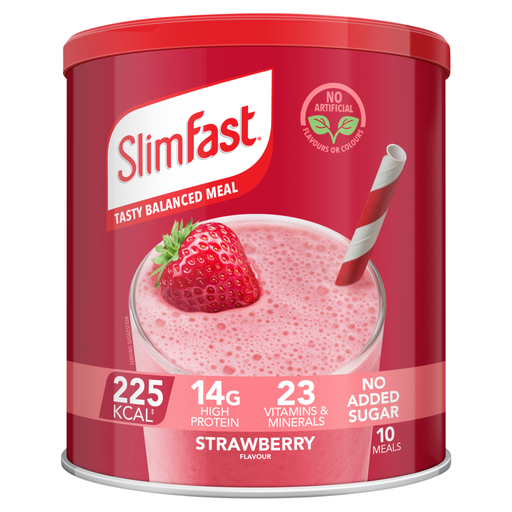
Why This Fits Their Persona: A 365g tub provides 10 measured servings, giving newcomers a practical powdered option for planned breakfasts or lunches.
It is clearly positioned as a meal replacement rather than a general protein drink, with preparation instructions and nutrition information for a serving.
Provides 15g protein and 4g fibre per prepared serving, plus listed vitamins and minerals.
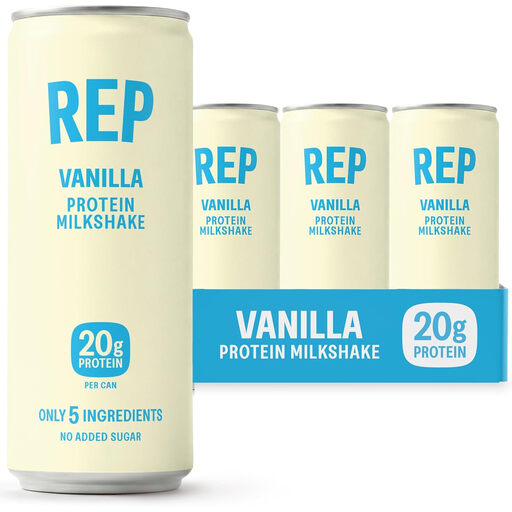
Why This Fits Their Persona: Suitable for shoppers who prefer a short ingredient list and a compact can for work, commuting or after exercise.
The stated formulation uses five ingredients, making it easier to review the recipe and identify milk content.
Each 250ml can contains 20.3g protein and 150 kcal; it is gluten-free and suitable for vegetarians.
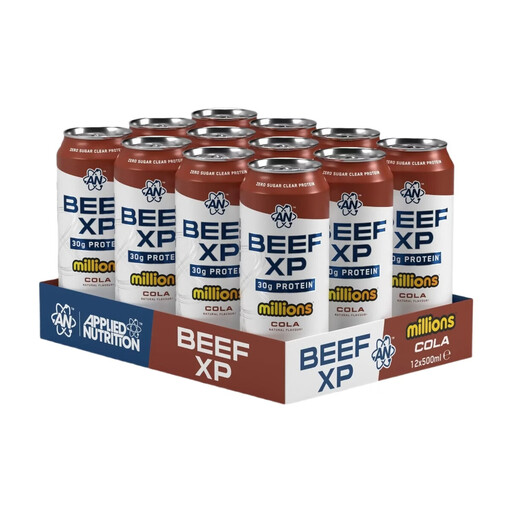
Why This Fits Their Persona: A 12-bottle pack suits regular gym users who want a chilled post-workout protein drink without a milky texture.
The nutrition panel states the full 500ml serving, avoiding the confusion that can arise from comparing values per 100ml alone.
It provides 30g protein, 139 kcal and 0.3g sugar per bottle, using beef protein isolate in a clear format.
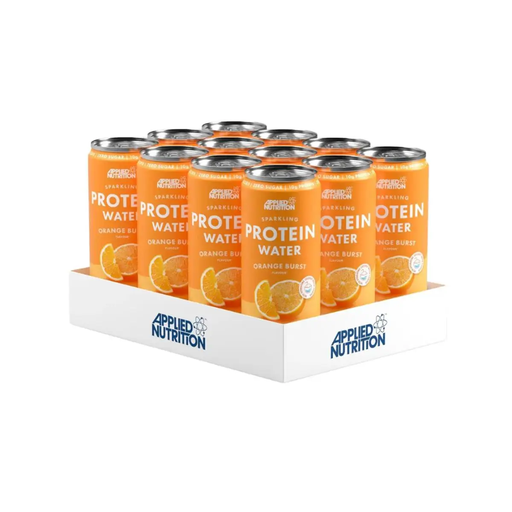
Why This Fits Their Persona: A chilled sparkling option works for adults wanting a lighter alternative to a creamy shake and avoiding lactose or dairy.
Its listed format and ingredients make the dairy-free, lactose-free and gluten-free positioning easier to verify against the label.
Each 330ml can contains 10g collagen protein, 44 kcal and 0.15g sugar; the product is listed as Halal-certified.
We have compiled a complete, real-time list of products that fully satisfy these strict selection criteria and UK safety regulations.
They can be a convenient way to add protein after exercise, particularly when a full meal is not immediately available. Choose the serving size according to your overall diet rather than assuming more is always necessary. Check the label for allergens, recommended intake and storage instructions.
No. A meal replacement is designed to replace a meal within an energy-controlled diet and may contain added fibre, vitamins and minerals. A standard protein drink is generally intended to supplement protein intake and should not automatically replace a varied meal.
Follow the packaging instructions. Unopened products are commonly stored in a cool, dry place, while opened milk-based drinks usually need refrigeration and consumption within the stated period. Check the best-before information and do not use packaging that is swollen, damaged or leaking.