
24/7 Customer Support

Free returns

Same-day & Next-day Delivery

Quality Guaranteed

Unlock Your Welcome Offers: FREE Delivery | Up to 80% OFF | Free 30-day JoyPlus trial
Download the APP
Protein drinks can make daily nutrition more convenient, whether you are leaving the gym, commuting to work or looking for a quick snack between meals. However, a large bottle, bold “high-protein” wording or a fitness-focused label does not automatically make a drink suitable for your routine.
The key is to compare the protein amount, source, calories, sugar, allergens and pack format together. Here are the common buying traps to avoid before choosing ready-to-drink protein shakes or other high-protein drinks.
A 500ml bottle may look substantial, but volume does not tell you how much protein it contains. Some milk-based drinks provide over 40g per bottle, while smaller plant-based drinks may contain around 1g to 3g.
Always check the nutrition panel for protein per bottle or can, rather than relying on terms such as “protein nutrition drink” on the front of the packaging.
“No added sugar” does not necessarily mean sugar-free. Milk naturally contains lactose, and a drink can still contain noticeable carbohydrate and sugar. For example, some milk protein shakes list around 10g or more of sugar per 330ml serving despite containing no added sugar.
If sugar or calories matter to you, compare the full nutritional information. Low-calorie protein drinks may be more suitable for a controlled-energy diet, while a larger milk protein shake may be more appropriate when you need substantial nutrition after training.
Protein source affects texture, dietary suitability and flavour. Milk protein shakes are generally creamy but are unsuitable for people with a milk allergy and may not suit those avoiding dairy. Beef protein drinks and collagen protein drinks offer a clear, lighter format, but they are not vegetarian or vegan.
Plant-based drinks also need careful checking. Nut and sesame beverages may contain relatively modest protein per serving and can include allergens such as peanut, tree nuts, sesame, soya or milk powder.
For a post-workout protein drink or convenient daily top-up, compare the amount per individual serving:
Also consider whether you want a creamy shake or a clear protein drink. Sparkling protein water and clear protein drinks are lighter alternatives to traditional milkshake-style products, while milk-based options offer a thicker texture.
Check calories alongside protein. A 330ml drink containing 20g protein and around 126 to 198 calories has a different role from a 500ml drink containing 42g protein and 240 calories.
For low-calorie protein drinks, review:
This helps avoid choosing a product that does not match your nutritional target.
Look for clearly stated information on milk, gluten, lactose, nuts, peanuts, soya, sesame and Halal certification. “Plant-based” does not automatically mean allergen-free, and dairy-free does not mean suitable for every dietary preference.
Ready-to-drink products also need practical storage. Many bottles should be refrigerated after opening and consumed within 12 or 24 hours. Cans are convenient for gym bags and desks, but check the label for serving guidance, storage instructions and recommended intake.
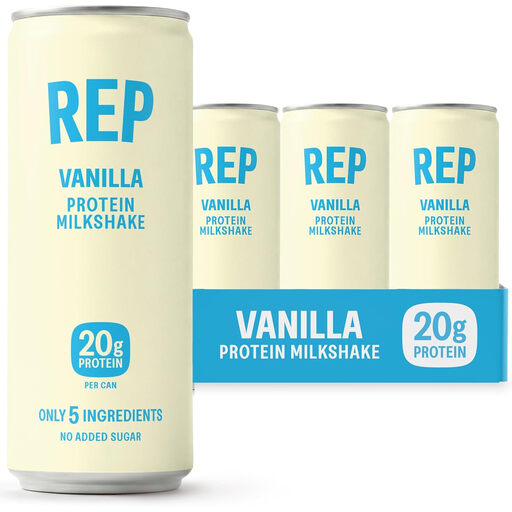
Why This Fits Their Persona: A straightforward 250ml can offers 20.3g of milk protein and 150 calories, making it easy to understand for shoppers starting a regular protein routine.
The five-ingredient formulation makes it easier to check the label rather than relying on broad front-of-pack claims.
20g protein, gluten free, suitable for vegetarians and made without artificial sweeteners, flavours, preservatives or stabilisers.
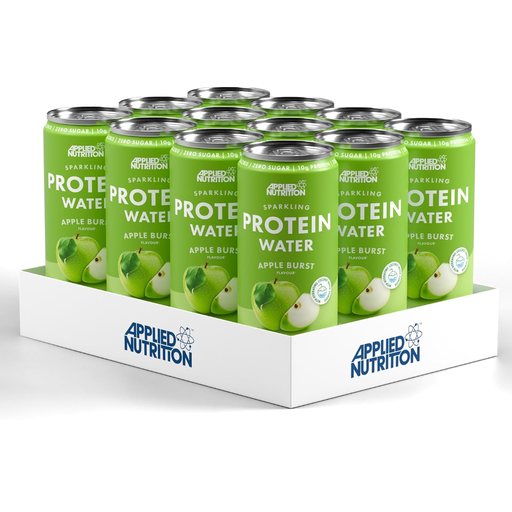
Why This Fits Their Persona: This is a sparkling option for adults who prefer a light, chilled drink rather than a creamy shake, with 12 cans for planned home use.
The label specifies 10g protein, 44 calories and 0.15g sugar per 330ml can, allowing direct comparison with sweeter drinks.
Contains hydrolysed bovine collagen, coconut water powder and Vitamin C; it is dairy-free, lactose-free, gluten-free and Halal certified.
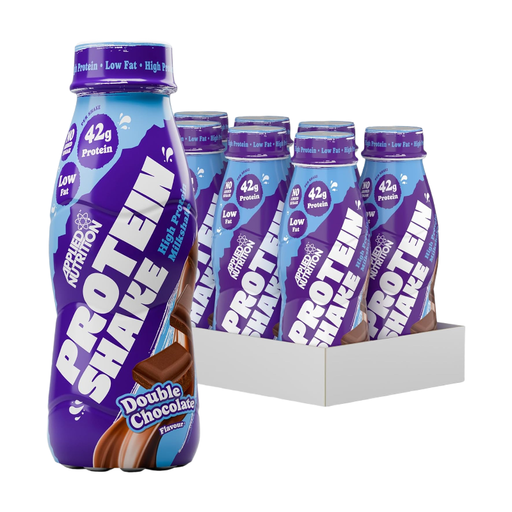
Why This Fits Their Persona: The 500ml format and 42g protein per bottle suit adults who prefer a larger post-workout protein drink or substantial refuelling option.
The per-bottle figures show exactly what the larger serving provides: 240 calories, 17g carbohydrate and 42g protein.
Ready to drink, low in fat, contains no added sugar and uses milk protein concentrate for a smooth chocolate texture.
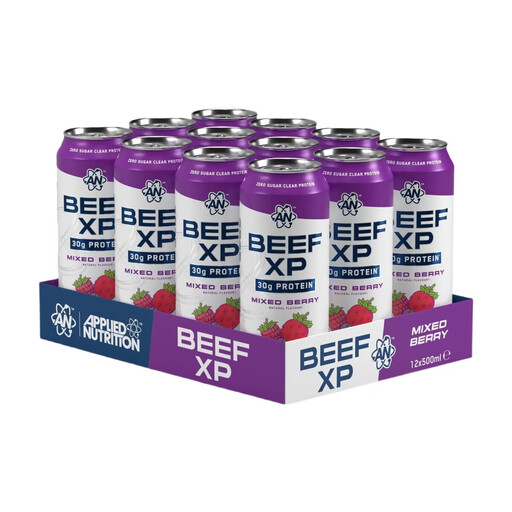
Why This Fits Their Persona: A clear, fruit-style drink can suit shoppers who do not want a milky texture and need a bottle for use before, during or after training.
Its label states 30g protein, 136 calories, 0.3g sugar and 0g fat per 500ml bottle, rather than leaving the nutritional profile unclear.
Made with beef protein isolate, with a clear texture and low sugar profile. Check the label if you follow Halal or specific animal-product requirements.
We have compiled a complete, real-time list of products that fully satisfy these strict selection criteria and UK safety regulations.
They can be a convenient way to add protein after exercise, but the suitable amount depends on your overall diet, serving size and personal requirements. Compare the label rather than assuming every post-workout protein drink contains the same amount. Follow the product’s stated usage instructions and do not use it as a replacement for a varied diet.
Before opening, follow the storage instructions on the packaging. After opening, many milk-based drinks need refrigeration and should be consumed within 12 or 24 hours. Clear drinks and cans may also specify immediate consumption after opening. Do not use products with damaged, bloated or broken packaging.
Not automatically. Dairy-free options such as beef protein drinks and collagen protein drinks are animal-derived, while some plant-based beverages may contain only a small amount of protein. Vegetarians should check the ingredients and suitability statement carefully. People with allergies or medical conditions should read the current label and seek appropriate professional advice before purchase or consumption.