
24/7 Customer Support

Free returns

Same-day & Next-day Delivery

Quality Guaranteed

Unlock Your Welcome Offers: FREE Delivery | Up to 80% OFF | Free 30-day JoyPlus trial
Download the APP
Protein flapjacks can be a convenient choice for commuters, gym-goers, hikers and anyone who needs a portable snack between meals. However, a familiar oat texture and a high-protein label do not automatically make every bar suitable for your routine.
The main buying challenge is matching the product with your dietary needs, preferred flavour and realistic nutrition expectations. Our Top Recommendations below focus on clearly listed ingredients, portion information and practical use rather than exaggerated marketing claims.
A bar may be described as a protein snack while also containing considerable amounts of carbohydrate, fat or sugar. That does not make it unsuitable, but it matters if you are comparing it with a light snack or using it regularly.
Check the per-bar nutrition panel, not only the values per 100g. For example, the Trek Cocoa Oat Protein Flapjacks provide 9g of protein and 227 kcal per 50g bar. The Trek Salted Caramel Protein Flapjacks provide 9.5g of protein and 224 kcal per bar.
Vegan protein flapjacks may contain soya, oats, wheat or traces of nuts. A plant-based recipe is not automatically gluten-free, and a gluten-free product may still contain soya.
Always review the allergen statement. The Biscoff flapjack contains wheat and soya and may contain traces of peanuts, nuts and milk. It is therefore not suitable for people with coeliac disease or wheat allergies based on the supplied product information.
Oat protein bars are often soft and chewy rather than crisp. Coatings and toppings can also soften in warm conditions, while bars stored in a cold car or bag may become firmer.
For healthy snacks on the go, consider whether you need individually wrapped portions, a multipack for work or a larger box for frequent use. Store bars in a cool, dry place away from direct sunlight, and check the best-before information on the packaging.
Compare the amount of protein in one complete bar. The products featured here provide approximately 9g to 9.8g per 50g bar, according to their supplied nutrition details. This makes the portion easy to understand when planning a snack before a walk, after a workout or during a commute.
Protein flapjacks are snacks, not a substitute for a varied diet. If you need a specific intake for sporting or dietary reasons, compare the label with your own requirements rather than relying on front-of-pack language.
Look for clearly stated information on:
The Cocoa Oat and Salted Caramel options are described as made with gluten-free oats, but consumers with coeliac disease should still check the current pack labelling and certification before purchase.
Chocolate protein flapjacks, salted caramel flapjacks and Biscoff protein flapjacks offer different flavour profiles, but the ingredients list provides more useful detail than the flavour name alone. Look for the oat percentage, protein source, sweeteners, coating and added toppings.
A 3 x 50g pack is convenient for trying a flavour or keeping a few bars in a desk drawer. A 16 x 50g box may be more practical for regular users who want a ready supply at home.
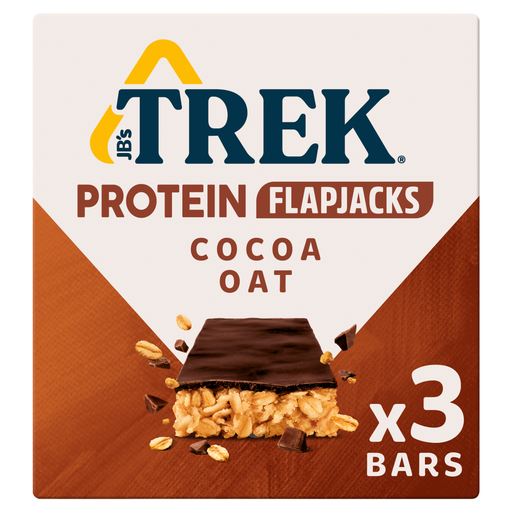
Why This Fits Their Persona: A manageable three-bar pack suits shoppers trying protein flapjacks for the first time or keeping a small supply for work and travel.
The 50g serving information makes it easier to judge calories, protein and portion size without estimating from the larger pack.
Gluten-free oats are listed, with 9g protein and 227 kcal per bar. Contains soya.
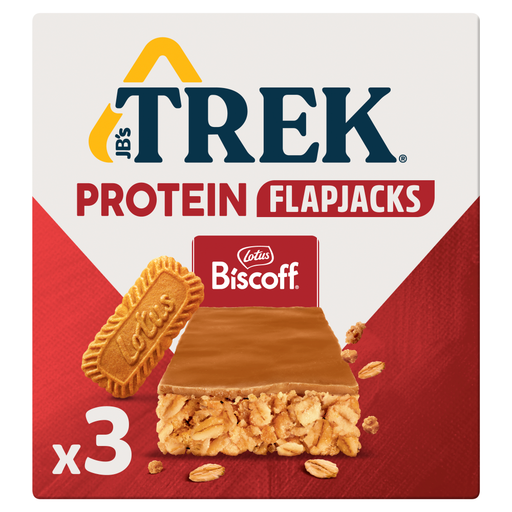
Why This Fits Their Persona: Suitable for shoppers who prioritise a more indulgent caramelised biscuit flavour alongside a plant-based recipe.
The listing identifies wheat and soya allergens, helping buyers avoid assuming that every vegan protein flapjack is gluten-free.
Each 50g bar lists 9.8g of plant-based protein and includes oats and soya protein crispies.

Why This Fits Their Persona: A larger box is practical for regular commuters, active adults, gym bags or households that use oat protein bars frequently.
The multipack reduces the need for repeated small purchases while retaining individually portioned 50g bars.
The supplied nutrition panel lists 9g protein per bar. The product is described as vegan and gluten-free; check the pack before purchase.

Why This Fits Their Persona: A useful option for shoppers who prefer a sweet-and-savoury profile for afternoon breaks, journeys or outdoor activities.
The pack provides specific values, including 9.5g protein, 224 kcal and 0.60g salt per 50g bar.
Uses gluten-free oats according to the supplied description and comes in a compact 3 x 50g format.
We have compiled a complete, real-time list of products that fully satisfy these strict selection criteria and UK safety regulations.
They can be convenient before exercise when you want a portable snack containing oats and protein. Timing and portion size depend on your routine and personal tolerance. A 50g bar may be easier to manage than a larger meal, but check the carbohydrate, fat and fibre content if eating shortly before training.
Not necessarily. Vegan recipes can contain wheat, while gluten-free products may contain soya or other allergens. Read the full ingredient and allergen statement every time, particularly if you have coeliac disease or a diagnosed allergy.
Keep them sealed in a cool, dry place away from direct sunlight. Avoid leaving them in a hot car or damp rucksack, as heat and moisture may affect the coating and texture. For the applicable best-before date, refer to the packaging.