Students comparing protein per packet
If you want a savoury snack between lectures, compare the amount in the bag you would take with you. EatProtein states 11.2g protein per Cheese & Onion bag; Walkers states 1.3g per 22g Oven Baked Sea Salt pack.


For protein from one packet, a specialist protein crisp is the more relevant choice among the checked examples: EatProtein states 11.2g per Cheese & Onion bag, compared with Tyrrells’ 3.9g per 30g lentil-crisp serving and Walkers’ 1.3g per 22g Oven Baked Sea Salt pack. Before packing one for a lecture, compare the declared serving size, salt and exact flavour’s ingredients as well as protein.
If you want a savoury snack between lectures, compare the amount in the bag you would take with you. EatProtein states 11.2g protein per Cheese & Onion bag; Walkers states 1.3g per 22g Oven Baked Sea Salt pack.
Check the exact flavour rather than assuming every protein crisp has the same ingredients. Myprotein labels its Popped Protein Crisps suitable for vegetarians and vegans; EatProtein’s Cheese & Onion ingredients include milk and soya.
A protein figure does not describe the rest of a packet. Compare its salt and other nutrition values, then read the ingredients and allergen information for the flavour you intend to buy.
Start with protein in the declared bag or serving, then check whether its salt, ingredients and pack format work for your lecture lunch.
| Priority | What to check | Your needs |
|---|---|---|
| Protein per packet | Read the protein figure for the whole bag or declared serving, and check whether those are the same amount. EatProtein states 11.2g per Cheese & Onion bag; Tyrrells states 3.9g per 30g lentil-crisp serving. | For a short lecture break, I want to know what the packet I actually pack provides, not just its per-100g figure. |
| Salt and other values | Compare salt per serving and per 100g alongside energy and fat. Myprotein lists 1.40g salt and 92 kcal per 25g Popped Protein Crisps serving; check the figures on your chosen flavour. | If salt matters to my choice, I need to read beyond the protein claim and compare the serving I would eat. |
| Ingredients and dietary labels | Read the exact flavour’s ingredients, allergen statement and any relevant vegan, vegetarian or gluten-free label. EatProtein Cheese & Onion contains soya and milk, despite being labelled vegetarian and gluten-free. | I cannot use a flavour name or a protein claim to decide whether a packet fits my dietary requirements. |
| Lunch format | Check the pack size and whether it is an individual bag, a declared serving within a larger pack or another snack format. Use the full nutrition label when deciding what else to take for lunch. | I want something practical to carry, but one snack’s protein number does not tell me everything about my lunch. |
A smaller bag can provide much less protein than its per-100g figure might suggest. Walkers states 1.3g in a 22g Oven Baked Sea Salt pack, while EatProtein states 11.2g in a Cheese & Onion bag.
Compare the declared bag or serving first. Use per-100g figures when you also want to compare differently sized products on the same weight basis.
Myprotein lists 1.40g salt per 25g serving of Popped Protein Crisps. The NHS describes more than 1.5g salt per 100g as high on a food label.
Read both salt figures on the flavour you choose, rather than relying on its protein message.
EatProtein Cheese & Onion is labelled vegetarian and gluten-free, but its ingredients include milk and soya. A label for one dietary requirement does not answer a different allergen question.
Read the current ingredients and allergen statement for the exact packet. GOV.UK says regulated allergens present in prepacked crisps must be clearly identified in the ingredients list.
These named products offer comparison points; their figures should not be applied to every flavour or pack from the same brand.
Oven Baked Sea Salt is a potato crisp to compare with protein-led options.
The checked lentil crisps provide a distinct comparison with potato crisps and specialist protein crisps.
Lightly Salted is a potato crisp labelled suitable for vegans and vegetarians.
Sea Salted is a potato crisp with nutrition stated per bag.
The checked Salted product provides per-100g figures for a potato-crisp comparison.
REAL Sea Salt is a potato crisp listed in 35g bags.
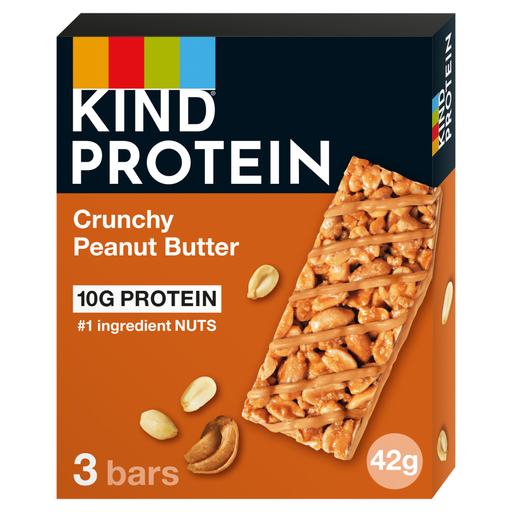
For a lecture break, this Joybuy option is a protein bar rather than a protein, lentil or potato crisp. Consider the different format if a crisp is what you want to pack.
 No image available
A bar-format snack to consider for a lecture break if you are not set on crisps. The product name specifies 3 x 42g; check the current pack for protein per bar and allergen information.
Compare the amount in the declared bag or serving, and check whether a bag contains more than one serving. EatProtein states 11.2g per Cheese & Onion bag, Tyrrells lists 3.9g per 30g lentil-crisp serving, and Walkers lists 1.3g per 22g Oven Baked Sea Salt pack. Those product figures are comparison points, not a personal protein target.
No. Myprotein lists 1.40g salt per 25g Popped Protein Crisps serving. Compare the salt per serving and per 100g on the flavour you plan to buy; the NHS describes more than 1.5g salt per 100g as high on a food label.
Check the particular product and flavour. Myprotein labels its Popped Protein Crisps suitable for vegetarians and vegans, while EatProtein labels Cheese & Onion vegetarian and lists milk in its ingredients. Read the current pack rather than applying one product’s label to another.
Read the ingredients and allergen statement on the exact packet, including any may-contain wording. GOV.UK says regulated allergens present as ingredients in UK prepacked crisps must be clearly labelled in the ingredients list. Do not infer suitability from a flavour name or an unrelated dietary label.
No. A packet’s protein figure describes only one part of its nutrition. Use the full label to compare the packet you would eat, including its energy, fat and salt, then decide what else you want to pack for lunch.