
24/7 全天候客户支持

免费退货

当日/次日达

品质保障

开启新人专享福利: 全场免邮 | 低至 2 折 | 免费试用 30 天 JoyPlus 会员
下载 Joybuy
Choosing a protein nutrition powder can look simple until you compare whey, clear whey, amino acid blends, beef protein and mass gainers. Packaging often highlights a flavour, a dramatic ratio or a long ingredient list, while the details that affect value and suitability are easier to miss.
For UK shoppers, the right choice depends on your daily protein target, calorie needs, dietary preferences and tolerance of ingredients such as milk, soya, sweeteners or gluten. This guide explains the key checks before you buy and matches several options to different training profiles.
A large tub is not automatically good value. Always compare protein per serving, servings per container and the recommended serving weight. A powder may appear inexpensive but provide fewer usable servings because the scoop is unusually large or includes substantial carbohydrates.
For reference, Applied Nutrition Clear Whey lists approximately 21.27g of protein per 25g serving, while Applied Nutrition BEEF-XP provides 27.3g per 30g serving. These figures offer a more useful comparison than pack size alone.
An EAA supplement supplies selected amino acids rather than a conventional protein serving. MyProtein Impact EAA products list all nine essential amino acids and provide a zero-calorie, zero-sugar format, but their nutrition panels list 0g protein per serving. They may suit people wanting an amino acid drink around training, but they should not automatically replace a whey protein powder or a balanced meal.
Likewise, a BCAA supplement contains only three branched-chain amino acids. Check whether you need a complete protein, all essential amino acids or simply a low-calorie flavoured drink.
“Dairy-free”, “vegan” and “lactose-free” are not interchangeable terms. Whey products contain milk, and many are made with soya lecithin. Some EAA powders are suitable for vegetarian and vegan diets but may be produced in facilities handling milk. Beef protein isolate can be dairy-free and lactose-free, yet it remains an animal-derived product and may not suit vegetarian shoppers.
Read the allergen statement, ingredient list and label directions every time, particularly if you have an allergy, intolerance or medical condition.
For muscle maintenance or a lower-calorie diet, compare protein with energy, carbohydrates and fat. Clear whey and EAA formats may be easier to fit around meals, while a weight gain supplement deliberately adds more calories.
Critical Mass Professional White Chocolate Raspberry lists 42g protein and 74.7g carbohydrate per 150g serving, alongside approximately 566 kcal. That may be suitable for heavy training and higher energy requirements, but excessive portions can add more calories than intended.
Check how much liquid is required, how many scoops make a serving and whether the powder suits your routine. Clear whey and EAA powders are generally mixed with water, while mass gainers may require 300–500ml of water or milk. Consider storage space, flavour variety and whether you are likely to use the product consistently.
HTML cards below use the listed product information and are intended as practical matches rather than universal recommendations.
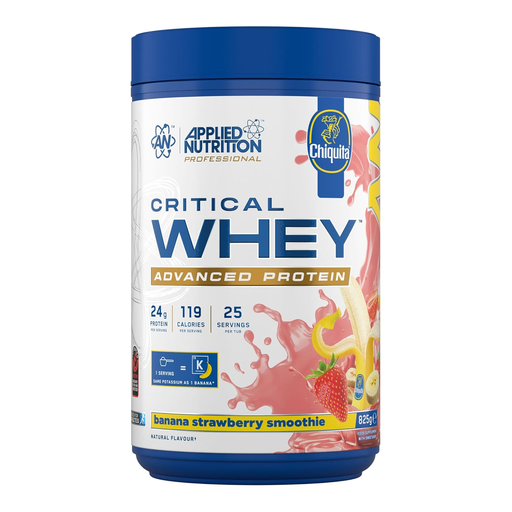
Why This Fits Their Persona: A straightforward choice for adults starting regular gym sessions and wanting a familiar protein shake for post-workout or between-meal use.
Its label identifies a whey concentrate and isolate blend with approximately 22–24g protein per serving, making the serving comparison clear.
2kg format, approximately 22–24g protein per serving and a mixable powder suitable for water, milk or recipes.
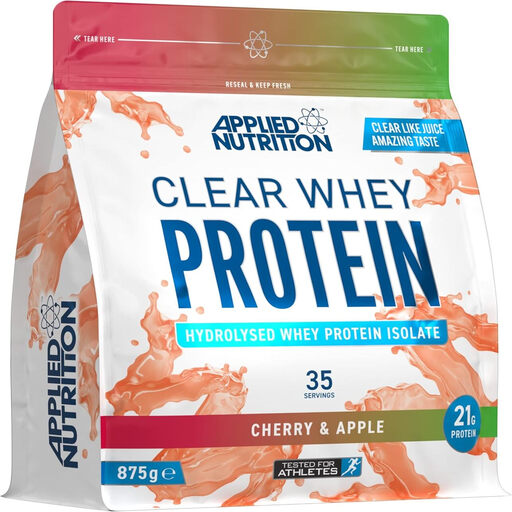
Why This Fits Their Persona: Suitable for shoppers who prefer a light, fruit-style drink rather than a thick, creamy shake after training or during a busy working day.
The nutrition panel shows the actual serving size and protein quantity rather than relying only on “clear” or “rapid” wording.
95% hydrolysed whey protein, approximately 21.27g protein per 25g serving and 90 kcal per serving.
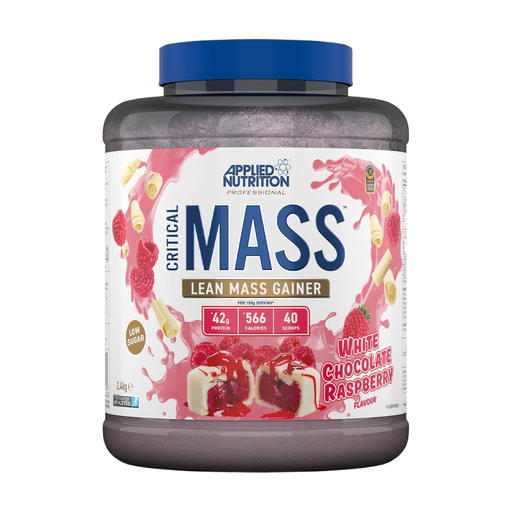
Why This Fits Their Persona: Designed for hard gainers, bodybuilders and highly active adults who find it difficult to reach calorie and protein targets through meals alone.
The label makes the high-calorie purpose visible: a 150g serving contains 42g protein, 74.7g carbohydrate and about 566 kcal.
Includes protein, carbohydrates and 3g creatine monohydrate per listed serving; the 2.4kg pack supports regular use.
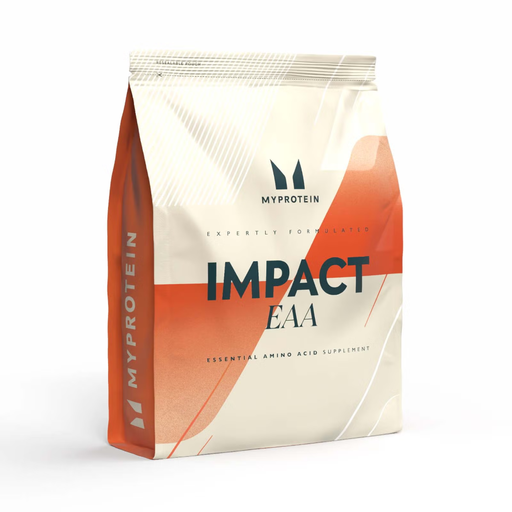
Why This Fits Their Persona: A practical match for vegan or vegetarian adults wanting a low-calorie amino acid drink to mix with water, juice or another shake.
It is clearly positioned as an EAA supplement rather than a conventional protein powder, helping shoppers understand what they are buying.
Lists all nine EAAs, a 4:1:1 BCAA ratio, zero calories and zero sugar; the unflavoured format is versatile.
We have compiled a complete, real-time list of products that fully satisfy these strict selection criteria and UK safety regulations.
Many products are designed for daily use when taken according to the label, but suitability depends on your diet, health and total intake. Calculate how much protein you already obtain from food before adding whey protein powder, clear whey or an amino acid product.
They serve different preferences. Clear whey usually provides a fruit-style drink and lighter texture, while standard whey is generally creamy and useful in shakes, porridge or recipes. Compare protein per serving, calories, sweeteners and milk allergen information.
A mass gainer can make it easier to add calories, protein and carbohydrates, particularly for hard gainers with high energy needs. It does not guarantee a particular body composition outcome. Start with the label’s suggested serving, monitor your overall calorie intake and adjust alongside a suitable training and meal plan.