Choose nuts as a portable protein-containing snack after a ride, between meals or at a stop, rather than as the sole fuel for a long or demanding ride: the British Dietetic Association identifies carbohydrate as the main fuel for exercising muscles. Compare protein in the portion you will carry, then check salt, ingredients and allergens; a nut-and-seed mix and plain or flavoured peanuts meet different needs.
Who might choose these snacks?
Cyclists eating after a demanding ride
A protein-containing snack is convenient when the next meal is some way off. Keep carbohydrate-containing food or drink in the plan too: the British Dietetic Association identifies carbohydrate as the main fuel for exercise.
Cyclists comparing unsalted snacks
Plain peanuts offer a way to compare protein per portion without choosing a seasoned product. The Tesco listing for KP Unsalted Peanuts gives 9g protein per 30g serving; Sainsbury’s lists 8.8g for the same serving size in its Fairtrade Peanuts.
Cyclists taking food on longer rides
A small portion of nuts can be one part of a ride snack. British Cycling suggests a small handful of nuts and raisins as an example; consider how the food fits alongside carbohydrate-containing ride fuel and whether it is comfortable to eat at your planned intensity.
What should you check before buying?
Start with when you plan to eat the snack, then compare like-for-like portions and read the exact pack’s ingredient and allergen information.
| Priority | What to check | Your needs |
|---|
| Protein per portion |
Compare protein in the portion or pack you will actually carry, not just per 100g. Marks & Spencer lists 10g protein in a 30g Protein Packed Nut and Seed Mix pack; Tesco lists 9g per 30g serving for KP Unsalted Peanuts, and Sainsbury’s lists 8.8g for its Fairtrade Peanuts. |
I want a small snack with a stated amount of protein, rather than choosing by pack size alone. |
| Ride fuel |
Check how a nut snack fits alongside carbohydrate-containing food or drink. The British Dietetic Association identifies carbohydrate as the main fuel for exercising muscles; British Cycling includes nuts and raisins among small-snack ideas. |
On a long or demanding ride, I need to plan carbohydrate fuel rather than rely on a protein-containing snack alone. |
| Salt and seasoning |
Read salt per serving or per 100g on the specific pack and check the ingredients. KP lists 1.7g salt per 100g for its Dry Roasted Peanuts; Sainsbury’s lists less than 0.01g per 30g serving for its Fairtrade Peanuts. |
Flavour matters to me, but I also want to know what the seasoning adds before choosing a pack. |
| Ingredients and allergens |
Check whether the product contains only peanuts or also soy, seeds or other nuts. Read both the ingredient allergens and any precautionary statement on the current pack; the Food Standards Agency explains that precautionary labelling communicates possible unintended allergen presence. |
I need the exact product’s ingredients and allergy warnings to fit my requirements, not just a familiar product name. |
What is easy to overlook?
-
Treating nuts as the main fuel for a demanding ride
The British Dietetic Association identifies carbohydrate as the main fuel for exercising muscles. A protein-containing nut snack does not take the place of planning carbohydrate-containing ride food or drink.
Plan the ride’s carbohydrate food first. If taking nuts as well, try a small portion in training to see whether it is practical to eat at the intended intensity.
-
Assuming plain and seasoned peanuts have the same salt content
Salt declarations differ between products. KP lists 1.7g salt per 100g for its Dry Roasted Peanuts, while Sainsbury’s lists less than 0.01g per 30g serving for its Fairtrade Peanuts.
Compare the salt line using the same quantity or your intended portion, and check which version of the product is in your basket.
-
Reading a nut-and-seed mix as plain nuts
Marks & Spencer’s Protein Packed Nut and Seed Mix includes soybeans, seeds and almonds. Its ingredients and allergy warnings therefore matter as much as its stated 10g protein per pack.
Read protein per pack together with the ingredient list and allergen statement before deciding whether a mix meets your needs.
-
Skipping precautionary allergen statements
A short ingredient list does not settle cross-contact questions. The Food Standards Agency says precautionary allergen labelling communicates that an allergen could be unintentionally present.
For an allergy, check the current pack’s full allergen information and follow the advice relevant to your allergy-management plan.
Relevant brand references
These product lines illustrate different ingredients and pack formats; the brand name alone does not establish a product’s nutrition or allergen profile.
KP
KP’s unsalted and dry-roasted peanut products give shoppers two distinct seasoning choices.
- Tesco lists 9g protein per 30g serving for KP Unsalted Peanuts.
- KP lists 1.7g salt per 100g for its Dry Roasted Peanuts; check the particular pack rather than applying the unsalted product’s figures to it.
M&S
Its Protein Packed Nut and Seed Mix is a 30g snack pack combining nuts with soybeans and seeds.
- Marks & Spencer lists 10g protein per pack.
- It is not a plain-nut snack. Check its soy, nut and other stated allergen warnings against your requirements.
Sainsbury’s
Its Fairtrade Peanuts offer a plain-peanut option for comparing portions and ingredients.
- Sainsbury’s lists 8.8g protein and less than 0.01g salt per 30g serving.
- The retailer states that the product is not suitable for customers with a nut allergy because of manufacturing methods.
Planters
Planters has a US Unsalted Dry Roasted Peanuts product line made with peanuts as the stated ingredient.
- That US product information should not be used as the nutrition or allergy label for a UK pack. Check the pack offered for sale before comparing it with UK-labelled options.
Joybuy peanut options
These KP peanut packs cover unsalted, salted and flavoured snack choices. Compare the current label and a portion you would carry; none should be treated as the sole fuel for a long or demanding ride.
 No image available
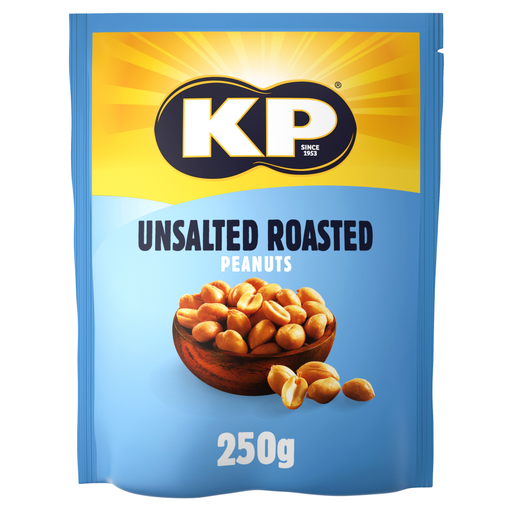
KP Unsalted Roasted Peanuts 250g
An unsalted peanut option for a snack after a ride or between meals. Check the pack’s protein per portion, ingredients and allergen statement before choosing it.
 No image available
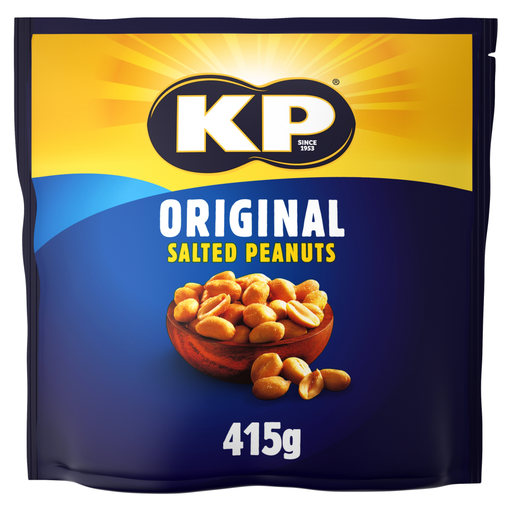
KP Original Salted Peanuts 415g
A salted peanut pack to portion out for snacks. Compare its salt and protein per intended portion with an unsalted option, and read the current allergen statement.
 No image available
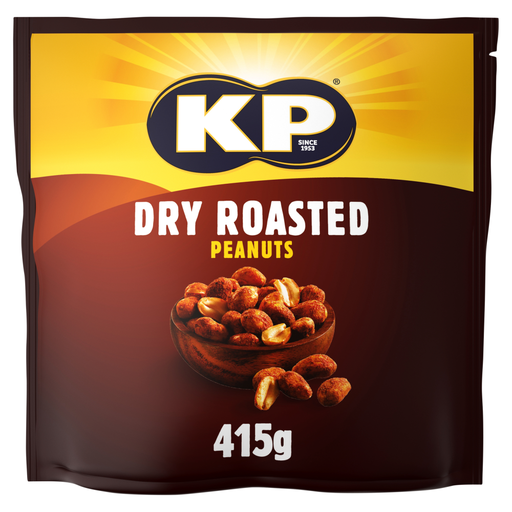
KP Dry Roasted Peanuts 415g
A flavoured peanut option for a portioned snack. KP lists 1.7g salt per 100g for its Dry Roasted Peanuts; check this pack’s label for its nutrition, ingredients and allergens.
 No image available
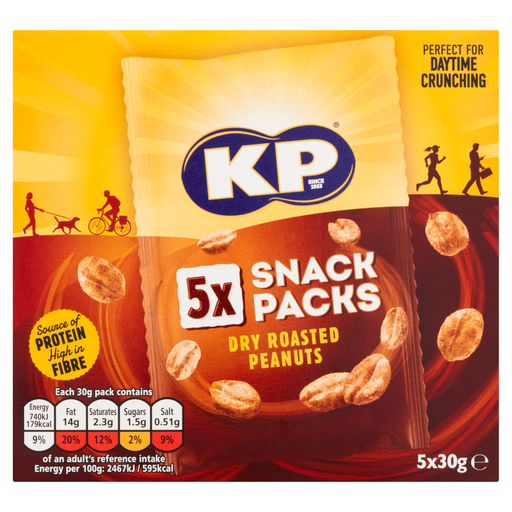
KP Dry Roasted Peanuts 5 × 30g
Five 30g packs give you individually sized portions to carry. For a flavoured ride snack, check the salt, ingredients and allergens on this multipack and plan carbohydrate fuel separately.
 No image available
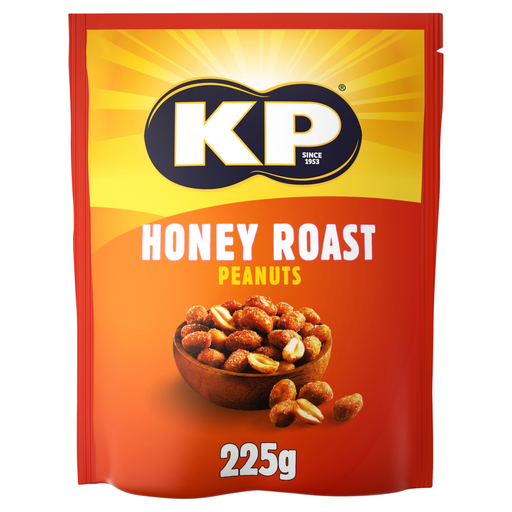
KP Honey Roast Peanuts 225g
A honey-roast flavour option for a portioned snack. Check this pack’s protein, sugars and salt per portion, along with its ingredients and allergen statement, rather than assuming it matches plain peanuts.
Common questions
Can nuts be my only food on a long cycle ride?
Do not rely on them as your sole ride fuel. The British Dietetic Association identifies carbohydrate as the main fuel for exercising muscles, while British Cycling includes a small handful of nuts and raisins among its snack ideas. Plan carbohydrate-containing food or drink for the ride and consider nuts as one component.
Which of these small packs lists the most protein?
Marks & Spencer lists 10g protein in its 30g Protein Packed Nut and Seed Mix. It combines nuts with soybeans and seeds, so check its ingredients and allergen warnings if you want plain peanuts or need to avoid particular ingredients.
How do unsalted and dry-roasted peanuts differ?
Check the specific seasoning and salt declaration, not just the word “peanuts”. KP lists 1.7g salt per 100g for its Dry Roasted Peanuts, while the Tesco listing for KP Unsalted Peanuts identifies a different product with 9g protein per 30g serving. Compare the current packs using the same portion size.
What should I check if I have a peanut or tree-nut allergy?
Read the full ingredient and allergen statement on the current pack, including any precautionary warning, and follow your allergy-management advice. The Food Standards Agency explains that precautionary allergen labelling communicates possible unintended allergen presence; a short ingredient list does not remove the need to check it.


