Hosts serving guests of different ages
You need a snack people can identify before helping themselves, while keeping whole nuts away from small children who could choke on them.


For individually packed servings, M&S Protein Packed Nut and Seed Mix lists 10g protein per 30g pack; plain Tesco almonds list 6.3g per 30g and less than 0.01g salt. Peanut packs offer a savoury sharing option, but whichever snack you choose, keep its ingredients and allergen information available and consider whether small children can reach whole nuts.
You need a snack people can identify before helping themselves, while keeping whole nuts away from small children who could choke on them.
A stated serving size lets you compare protein amounts without losing sight of the salt, energy and ingredients on the same pack.
Peanuts, tree nuts and precautionary warnings need to remain identifiable. Changing from one type of nut to another does not establish that a snack is suitable for a particular guest.
Start with the portion you intend to serve, then check the label and how guests will identify each snack on the table.
| Priority | What to check | Your needs |
|---|---|---|
| Protein per serving | Compare protein for the same intended portion, not just per 100g. M&S lists 10g per 30g pack; Tesco Almonds list 6.3g per 30g. Check the serving size on any other pack. | I want to know how much protein is in the portion guests will actually take, particularly if I am choosing between individual packs and an open bowl. |
| Ingredients and allergens | Read the full ingredients and any precautionary wording on each product. Keep the original packs available when putting snacks into serving dishes. | Guests need to identify peanuts, tree nuts and other relevant ingredients before choosing a snack; I cannot treat a different nut or seed mix as automatically suitable for them. |
| Salt and energy | Check salt and energy on the nutrition panel alongside protein. KP lists 1.3g salt per 100g for Original Salted peanuts and 1.7g per 100g for Dry Roasted; Tesco Almonds list less than 0.01g per 30g. | If people will graze throughout the party, I would rather compare the values for the amount served than judge a snack by its protein figure alone. |
| Self-service | Keep different products identifiable, with their packaging or accurate ingredient information beside them. Consider separate serving utensils rather than mixing nuts in one bowl. | When guests help themselves, they should still be able to tell which product they are taking and check its label. |
| Young children | Keep whole nuts out of reach of small children and plan a separate age-appropriate snack. Tesco and M&S both warn about choking on nuts. | Children may visit the snack table too, so an adult sharing bowl cannot be the only option I plan for them. |
M&S Protein Packed Nut and Seed Mix lists 10g protein per 30g pack, but its product information says it is unsuitable for people with nut, peanut or sesame allergy.
Compare the protein amount for the portion you will serve with the complete ingredients and allergen information before choosing it.
KP lists 30g protein per 100g for both Original Salted and Dry Roasted peanuts, but their stated salt values differ: 1.3g and 1.7g per 100g respectively.
Check the nutrition panel for the particular pack and portion you intend to put out.
Without its packaging, guests cannot readily check that product’s ingredients or precautionary allergen wording. GOV.UK community-event guidance recommends keeping packaging so people with food hypersensitivities can check it.
Leave the original pack beside each snack, or provide accurate written information from the pack, and check newly purchased packs for changes.
Tesco and M&S product information warns that small children can choke on nuts.
Keep whole nuts out of their reach and offer a separate age-appropriate snack.
These product-line examples illustrate different serving formats and label details; they do not establish what every product from each brand contains.
Original Salted and Dry Roasted peanuts are savoury sharing options with nutrition information published by KP.
Tesco Almonds provide a plain whole-nut option with nutrition stated for a 30g serving.
Protein Packed Nut and Seed Mix comes in a stated 30g pack, making its serving quantity clear.
These options include peanut sharing packs, individual peanut portions and a seed-and-berry mix. Check the form in which you would serve each one: a mix intended to be added to food is not the same serving format as a pack of peanuts.
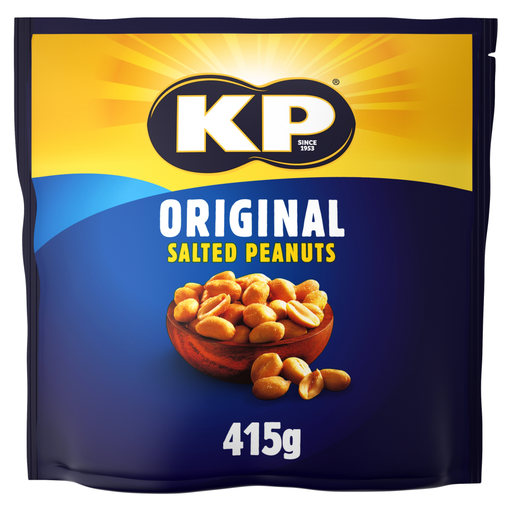 No image available
A 415g peanut pack for a savoury sharing table. Keep its packaging beside any serving bowl so guests can check the ingredients and allergens, and keep whole nuts away from small children.
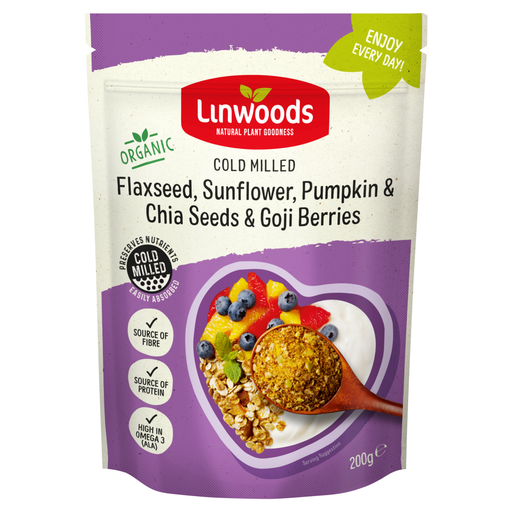 No image available
This 200g seed-and-berry mix is a different serving format from whole sharing nuts; decide what food you would offer it with before placing it on the table. Check the pack’s ingredients and precautionary allergen wording for the guests attending.
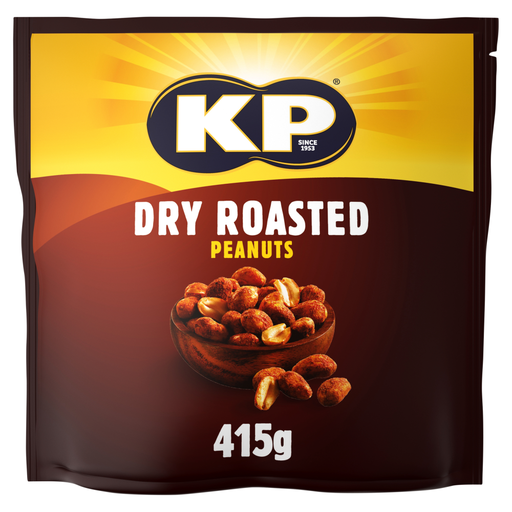 No image available
A 415g dry-roasted peanut pack for sharing. KP lists 30g protein and 1.7g salt per 100g for its Dry Roasted product; check this pack’s nutrition and allergen label before serving it.
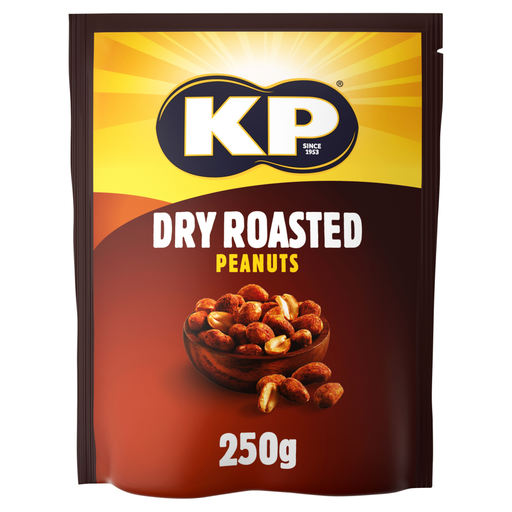 No image available
The 250g reclose pack offers another size for serving dry-roasted peanuts. KP lists 30g protein and 1.7g salt per 100g for its Dry Roasted product; retain this pack so guests can check its own label.
 No image available
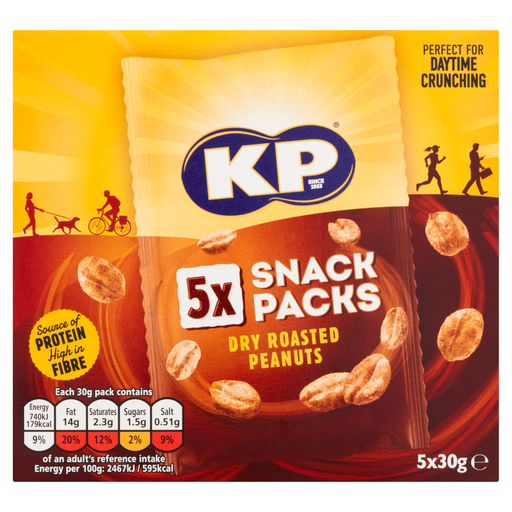
Five 30g packs provide identified portions instead of one open sharing bowl. Guests still need access to the pack’s peanut and other allergen information, and whole nuts should remain out of reach of small children.
Keep each original pack available so guests can check its ingredients, highlighted allergens and any precautionary wording. GOV.UK guidance for community events in England, Northern Ireland and Wales says food supplied at events such as street parties must be safe to eat. Requirements for a registered food business differ from those for an informal gathering, so check which apply to your event.
No. UK allergen guidance identifies peanuts and tree nuts separately. Do not assume that avoiding one makes a product suitable for someone avoiding the other; check the particular product label and the guest’s own requirements.
Keep different products identifiable instead. Combining them makes it difficult for guests to match the contents to the correct ingredients and precautionary warnings. Leave the original packs available and use separate bowls and utensils where practical.
Keep whole nuts out of reach of small children because they can choke on them. Tesco’s almond information and M&S product information both carry choking warnings; provide a separate age-appropriate snack.
Not necessarily. The Food Standards Agency explains that precautionary allergen labelling communicates the possibility of an allergen being unintentionally present. Keep that wording visible so guests managing an allergy can assess the particular product.