For a protein-focused office tin, compare nuts on the same per-100g basis: KP lists 30g protein for Original Salted Peanuts, while ASDA lists 26g for its plain peanuts. ASDA’s product has much less declared salt, so the choice depends on which figure matters more to the office. Before putting either in a communal tin, consider colleagues’ allergies and keep the current ingredient and allergen information available.
Who is choosing for the office?
Organisers comparing protein figures
If you stock a communal biscuit tin, the declared protein per 100g gives you a consistent way to compare products rather than relying on wording on the front of a pack. The checked KP, ASDA, M&S and Tesco products list figures from 20.1g to 30g per 100g.
Teams looking beyond salted peanuts
If the tin is topped up regularly, salt may matter alongside protein. ASDA lists less than 0.01g salt per 100g for its peanuts, while KP lists 1.3g per 100g for Original Salted Peanuts.
Managers planning around allergies
A shared snack needs more thought when a colleague has a peanut or tree-nut allergy. Anaphylaxis UK recommends an individual workplace risk assessment and safe snack options where food is provided.
What should you compare?
Start with whether nuts are suitable for the shared space, then compare protein and salt using the same per-100g measure on each pack.
| Priority |
What to check |
Your needs |
| Protein |
Compare declared protein per 100g, not differently sized packs or servings. KP lists 30g for Original Salted Peanuts; M&S lists 26.7g for Roasted Peanuts and 20.1g for Cashew Nuts. |
I want the protein figure to guide the choice, even if colleagues prefer different types of nut. |
| Salt |
Read salt per 100g alongside protein. ASDA lists less than 0.01g salt and 26g protein per 100g for its peanuts; KP lists 1.3g salt and 30g protein per 100g for Original Salted Peanuts. |
For a tin that is available throughout the day, I would rather compare plain and salted options than choose by protein alone. |
| Allergens |
Check the exact pack’s ingredients and precautionary allergen statement. KP declares peanuts and says Original Salted may contain other nuts, milk, soya and gluten; ASDA declares peanuts and says its product may contain nuts. |
I need to know whether a communal nut tin is appropriate for colleagues with allergies, and how everyone will see the current allergen information. |
What can go wrong with a shared nut tin?
-
Using a protein claim as a comparison figure
Wording such as ‘source of protein’ does not tell you which of two nut products lists more protein.
Compare the nutrition panels on a per-100g basis, then check salt and allergens separately.
-
Looking at protein but not salt
KP Original Salted Peanuts list 30g protein and 1.3g salt per 100g. ASDA Peanuts list 26g protein and less than 0.01g salt per 100g.
Decide whether the office prefers the higher listed protein figure or the lower listed salt figure before choosing between these products.
-
Assuming the pack makes a communal tin suitable for everyone
Opening and sharing a nut product does not resolve a colleague’s allergy needs. Anaphylaxis UK recommends individual workplace risk assessments and safe snack options where food is provided.
Discuss known allergy requirements before introducing the tin, retain the product’s allergen information and consider a non-nut shared snack where the workplace assessment calls for one.
-
Discarding the pack after filling the tin
Without the pack, colleagues cannot readily check the ingredient and allergen statement for the nuts being offered.
Keep the current packaging or its ingredient and allergen information with the tin, and check each new pack when restocking.
Brand and retailer references
KP
A salted peanut option to consider when comparing declared protein figures.
- KP Snacks lists 30g protein and 8.5g fibre per 100g for Original Salted Peanuts.
- The same product lists 1.3g salt per 100g, contains peanuts and may contain other nuts, milk, soya and gluten.
ASDA
A plain peanut reference for comparing protein and declared salt.
- ASDA lists 26g protein and less than 0.01g salt per 100g for its Peanuts.
- The product contains peanuts and may contain nuts; check the pack used to fill the tin.
M&S
Its checked roasted peanut and cashew products give offices two different nut choices to compare.
- M&S lists 26.7g protein per 100g for Roasted Peanuts and 20.1g for Cashew Nuts.
- M&S says the roasted peanuts are unsuitable for people with a nut or sesame allergy; its cashews are unsuitable for people with a nut, peanut or sesame allergy.
Tesco
A cashew reference for an office choosing nut type as well as nutrition figures.
- Tesco lists 20.8g protein and 0.01g salt per 100g for Organic Cashew Nuts.
- Tesco says the product may contain peanuts and other nuts; cashews are not an allergy-neutral substitute for peanuts.
Joybuy options for the office tin
These options include roasted peanuts for a nut tin, raw peanuts that need cooking before serving, and a peanut-and-chocolate bar for offices open to a different snack format. Check the current pack’s nutrition and allergen information before choosing for a shared space.
 No image available
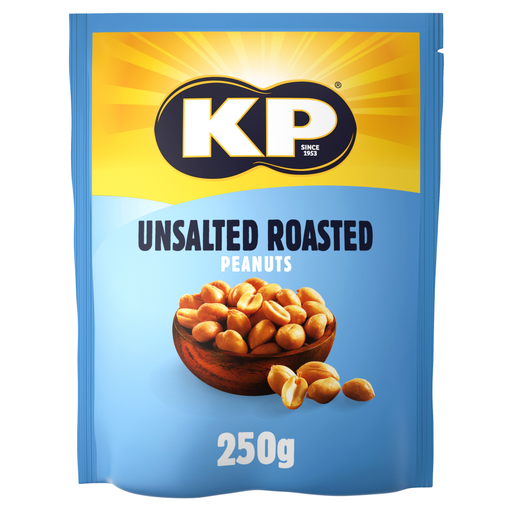
KP Snacks Unsalted Roasted Peanuts 250g
A roasted peanut option for the tin if sharing peanuts is suitable for the workplace. Compare the current pack’s protein, salt and allergen information before putting it out.
View on Joybuy
 No image available
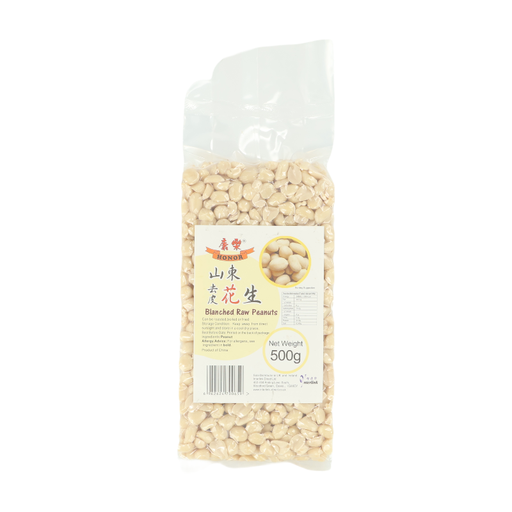
HONOR Blanched Peanut Kernels 500g
These raw peanuts require cooking before eating, so they are for an office prepared to make snacks rather than fill a ready-to-eat tin straight from the pack. Check the pack’s allergen information before sharing.
View on Joybuy
 No image available
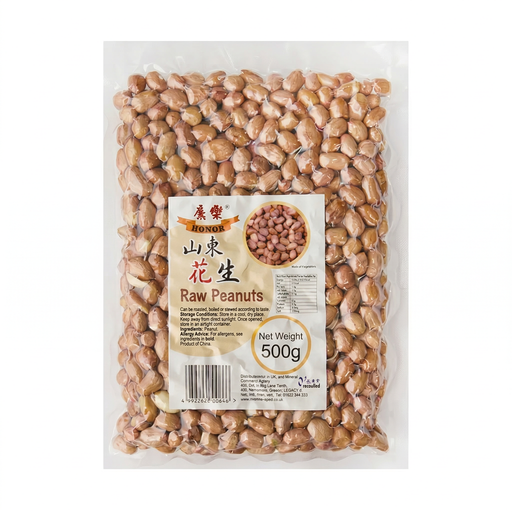
Honor Shandong Raw Peanuts 500g
Another preparation-first option: these raw peanuts must be cooked before they go into an office snack tin. Check the current pack when planning preparation and sharing.
View on Joybuy
 No image available
Nature Valley Protein Peanut & Chocolate Bar 4x40g
A bar rather than a pack of plain nuts, for an office that wants a different snack format. Compare its nutrition panel on the same per-100g basis and check its full ingredient and allergen statement.
View on Joybuy
Common questions
Do the checked peanuts or cashews list more protein?
The checked peanut products list more protein per 100g than the checked cashew products. KP lists 30g for Original Salted Peanuts, M&S lists 26.7g for Roasted Peanuts and ASDA lists 26g for its Peanuts; Tesco Organic Cashew Nuts list 20.8g and M&S Cashew Nuts list 20.1g. Those figures do not settle which flavour or salt level suits your office.
Does ‘source of protein’ tell me which nuts have more?
No. Read the declared grams of protein per 100g on each product’s nutrition panel to compare amounts. Check salt and allergens separately before choosing something to share.
Should I keep the packaging when filling a communal tin?
Yes, keep the current ingredient and allergen information with the nuts so colleagues can identify what is in the tin. Check the information again when you refill it with a new pack.
What if a colleague has a peanut or tree-nut allergy?
Do not assume a labelled pack makes a communal nut tin appropriate. Anaphylaxis UK recommends an individual workplace risk assessment, safe storage and safe snack options where food is provided. Depending on that assessment, a non-nut communal snack may be the appropriate choice.
How should an opened pack be kept?
Follow the instructions on the particular pack. ASDA advises keeping its opened Peanuts in an airtight container; M&S says its Roasted Peanuts should be eaten within one week of opening. Check the current label before filling or topping up the tin.


