Parents preparing lunches at home
If you want a crunchy snack alongside lunch, plan the main food separately. NHS and NHS-linked packed-lunch guidance describes a lunch built around starchy food, fruit or vegetables and a protein food.


For a school-holiday lunch, keep popcorn as an optional snack rather than using it in place of a separate protein food, as NHS-linked packed-lunch guidance recommends including a protein-food portion. Myprotein lists 3.8g of protein per 21g bag of its Protein Popcorn; whether you choose that or ordinary popcorn, check the exact pack and any food or allergy rules where the child will eat.
If you want a crunchy snack alongside lunch, plan the main food separately. NHS and NHS-linked packed-lunch guidance describes a lunch built around starchy food, fruit or vegetables and a protein food.
If the word “protein” is drawing you to a particular popcorn, compare the grams per serving on the exact pack and read its ingredients. Myprotein lists 3.8g per 21g serving for its Protein Popcorn.
Check the child’s requirements, the pack label and the setting’s food rules before sending a snack. The Department for Education says schools in England must publish an allergy safety policy.
Decide what will make up the main lunch before choosing between protein-added popcorn, ordinary popcorn or another crunchy snack.
| Priority | What to check | Your needs |
|---|---|---|
| The protein food | Choose the lunch’s protein food separately; then read the popcorn’s protein amount per serving rather than relying on its name. NHS-linked packed-lunch guidance includes a protein-food portion. | I want lunch to include a protein food, with popcorn as an optional snack rather than its replacement. |
| The rest of lunch | Plan the main item and fruit or vegetables as well as the snack. NHS lunchbox guidance suggests foods such as bread, rice, pasta or potatoes for the main item and homemade plain popcorn as one possible crisp swap. | A crunchy snack would be welcome, but I do not want it to displace the main lunch. |
| Portion and format | Check whether the pack is an individual bag or a sharing bag, and use its stated serving size when comparing nutrition panels. | For a packed lunch, an individual bag may be simpler; at home, I can portion a sharing bag. |
| Ingredients and setting | Read the exact pack’s ingredients and allergen statement, then check any school or club food rules. Myprotein lists whey protein isolate and soya lecithin in its Protein Popcorn ingredients. | Before packing food for a child with an allergy, I need to check both the product and where it will be eaten. |
Myprotein states that its Protein Popcorn contains 3.8g of protein per 21g bag. The product name alone does not tell you how much a serving contributes to lunch.
Compare protein per serving on the exact pack, alongside its serving size and ingredients.
NHS-linked packed-lunch guidance includes a protein-food portion, while NHS lunchbox guidance presents homemade plain popcorn as a possible crisp swap.
Plan the main lunch and its protein food first; add popcorn if you want a separate crunchy snack.
Myprotein lists whey protein isolate and soya lecithin in its Protein Popcorn. Food brought to a school or club may also need to follow that setting’s allergy arrangements.
Read the current pack and check the relevant school or club rules before packing it.
Tesco lists sweet, salted and sweet-and-salted popcorn formats, but a flavour or bag format does not establish how much protein a serving contains.
If protein content matters to your choice, compare the nutrition panels of the specific packs.
A reference point for protein-added popcorn rather than a substitute for checking the rest of lunch.
A reference for ordinary popcorn snack formats, not a reason to assume a pack is protein-enriched.
An own-label reference for comparing familiar sweet and salted popcorn formats.
These options are ordinary popcorn snacks plus one roasted corn snack. Choose them for the snack part of a school-holiday lunch, not as replacements for its protein food.
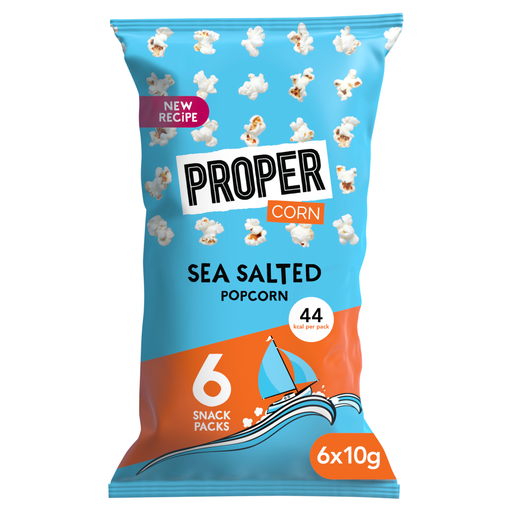 No image available
The 6x10g format offers individual bags for a packed-lunch snack. Keep a separate protein food in the lunch, and check the current pack’s allergen statement if needed.
 No image available
This 70g bag suits someone who wants to portion out a popcorn snack rather than pack individual bags. Check the serving size and allergen statement on the pack; plan the lunch’s protein food separately.
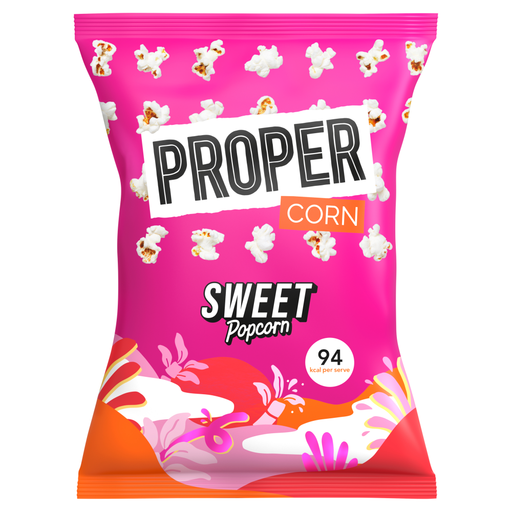 No image available
This 90g sweet popcorn bag is a snack option if that flavour is wanted alongside lunch. Check its serving size, sugar information and allergens on the current pack rather than using it as the lunch’s protein food.
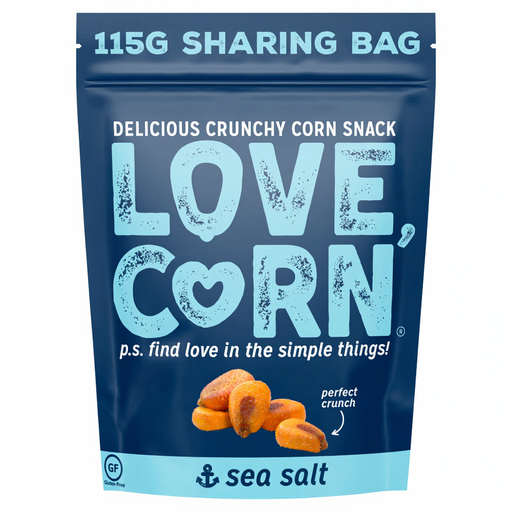 No image available
This 115 g roasted corn snack offers a different kind of crunch: it is not popcorn. Portion it as a snack, keep the lunch’s protein food separate and check the pack’s allergen statement before sharing or packing it.
Plan a separate protein food for the lunch rather than relying on popcorn for that role. NHS-linked packed-lunch guidance includes a protein-food portion; Myprotein lists 3.8g of protein per 21g bag of its Protein Popcorn.
Compare the stated protein per serving, the serving size and the ingredients on the exact pack. A product name by itself does not tell you how much protein is in the portion you plan to serve.
Check that setting’s food and allergy rules, as well as the exact pack, before sending it. The Department for Education says schools in England must publish an allergy safety policy; Myprotein lists whey protein isolate and soya lecithin in its Protein Popcorn.
Yes, homemade plain popcorn is one possible crisp swap in NHS lunchbox guidance. It remains a snack choice: plan the main lunch and its protein food separately.
Myprotein instructs shoppers to keep it in a cool, dry place away from direct sunlight. Follow the date marking and any instructions on the pack you buy.