
24/7 Customer Support

Free returns

Same-day & Next-day Delivery

Quality Guaranteed

Unlock Your Welcome Offers: FREE Delivery | Up to 80% OFF | Free 30-day JoyPlus trial
Download the APP
Protein powder can make it easier to reach your daily protein intake, whether you are training at a UK gym, managing a busy work schedule or trying to increase calories. However, the large number of tubs, blends and flavour options can make comparison difficult.
A suitable protein powder should fit your dietary requirements, calorie target, training routine and budget. Marketing language alone is not enough. The serving size, protein source and full nutrition panel tell you far more about whether a product is appropriate.
A large container may appear economical, but the number of servings can vary considerably. Always divide the pack weight by the stated serving size, then compare the protein provided per serving and the price per serving.
For example, a 2kg whey protein powder may use a 30g serving, while another product uses 33g. Comparing only the tub weight can therefore give an incomplete picture.
A whey blend may contain whey protein concentrate, whey protein isolate and hydrolysed whey, but the proportion of each ingredient matters. Concentrate usually contains more naturally occurring milk components, while isolate is more refined and typically contains less fat and lactose. Hydrolysed whey has been processed into smaller protein fragments.
None of these automatically makes a product suitable for every user. Check the ingredient list and nutrition table rather than relying on phrases such as “fast absorption” or “advanced formula”.
Most whey products contain milk and may also contain soya through ingredients such as lecithin. A plant-based protein powder can contain soya, pea protein or other allergens. Mass gainers may also contain substantial amounts of carbohydrate and sugar.
UK shoppers should read the allergen declaration, recommended serving and storage instructions on the supplied label. Food supplements should not replace a varied diet, and anyone with a medical condition, taking medication, pregnant or breastfeeding should seek appropriate professional advice before use.
Choose the source according to your diet and tolerance:
For a standard protein shake, compare the actual protein amount rather than the scoop size. The products listed here provide approximately 20g to 27g of protein per serving, depending on the formula.
If you are following a calorie-controlled diet, review fat, carbohydrate and sugar values as well. A low-sugar protein powder may be suitable for a cutting plan, while a mass gainer or weight gain powder is designed to add considerably more calories and carbohydrate.
A powder that mixes with 200–300ml of water may be more convenient after a workout or during a commute. Larger servings, such as those used by mass gainers, require more liquid and may be more practical at home.
Also consider flavour fatigue. A large tub represents a long-term commitment, so choose a flavour and texture you are likely to use consistently. A clear fruit drink, creamy whey shake or plant-based recipe powder each suits a different routine.
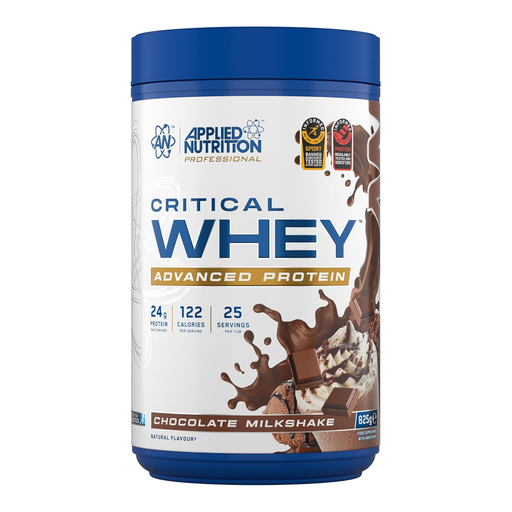
Why This Fits Their Persona: A practical starting format for gym-goers who want a conventional chocolate whey shake for post-workout use or between meals.
The listing states 23.6g protein per 33g serving, helping shoppers compare the product by usable protein rather than tub size alone.
Whey concentrate, isolate and hydrolysate are included; the powder is specified for mixing with water, milk or another preferred drink.
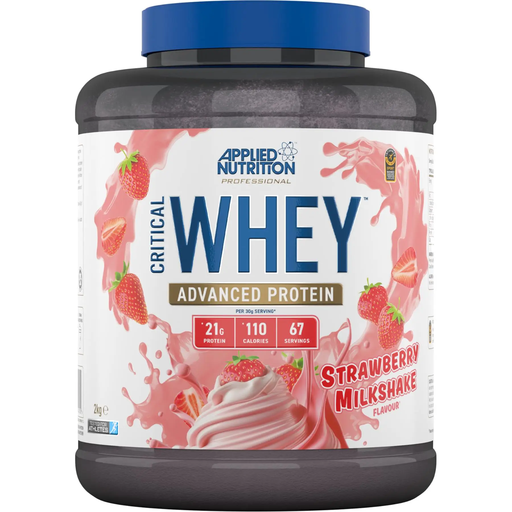
Why This Fits Their Persona: A large-format option for regular trainers who want a multi-source whey product for repeated daily use.
The nutrition information specifies 23.8g protein per 33g serving, while the ingredient list identifies isolate, concentrate, hydrolysed whey and milk protein concentrate.
The 2kg pack is suited to frequent use and provides a stated 122 kcal and 4.1g carbohydrate per serving.
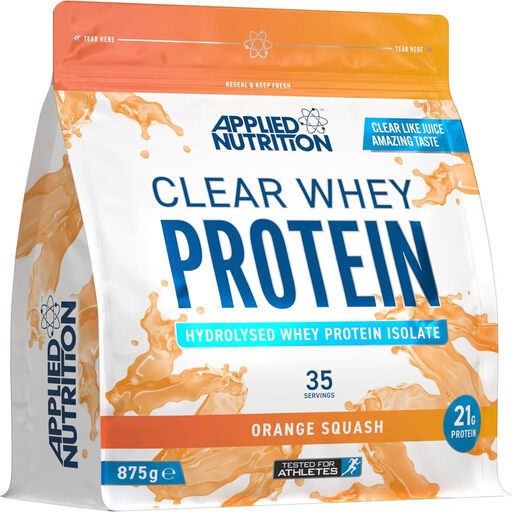
Why This Fits Their Persona: Suitable for active adults who prefer a fruit-style drink and do not enjoy thick, milkshake-style protein shakes.
Its label identifies 95% hydrolysed whey protein and provides nutrition values per 25g serving, making the clear format and macros easier to assess.
Each stated serving provides 21.27g protein, 90 kcal and 0.24g sugar; it is mixed with cold water rather than milk.
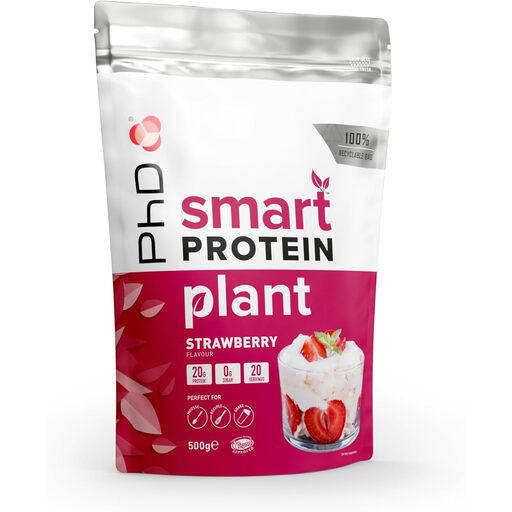
Why This Fits Their Persona: A useful choice for vegetarian and plant-focused adults who want to use protein in shakes, smoothies, baking or breakfast recipes.
The formula clearly lists pea and soya proteins and states zero sugar per 25g serving, rather than presenting a dairy product as plant-based.
Provides 20g protein per serving and includes iron, zinc, vitamin B6, folic acid and vitamin B12. It contains soya, so the allergen statement should be checked carefully.
We have compiled a complete, real-time list of products that fully satisfy these strict selection criteria and UK safety regulations.
For many adults, whey protein can be used as a convenient way to increase dietary protein, provided it fits within a varied, balanced diet. Follow the product’s serving guidance and check the milk and soya allergen information. If you have a medical condition or follow a protein-restricted diet, seek professional advice first.
Some clear whey products have relatively low calories because they are mixed with water and contain limited fat and sugar. This is not universal, so compare the nutrition panel. The Applied Nutrition clear whey listing above states 90 kcal and 0.24g sugar per 25g serving.
A standard protein powder mainly helps increase protein intake. A mass gainer or weight gain powder also supplies substantially more carbohydrate and calories. Choose a gainer only when those additional calories fit your planned intake; otherwise, a regular whey, plant-based or beef protein powder may be easier to control.