
24/7 Customer Support

Free returns

Same-day & Next-day Delivery

Quality Guaranteed

Unlock Your Welcome Offers: FREE Delivery | Up to 80% OFF | Free 30-day JoyPlus trial
Download the APP
Protein powder can make it easier to increase your daily protein intake, whether you are training at a UK gym, recovering after a run or looking for a convenient high-protein shake between meals. However, choosing the right product involves more than comparing tub size or flavour.
Marketing often focuses on fast absorption, premium blends and added ingredients. The practical details are usually found in the nutrition table, ingredient list and usage guidance. This guide explains what to check before buying whey protein powder, clear whey protein, plant protein powder or a ready-to-drink protein shake.
A large container may appear economical, but the useful comparison is cost per serving and grams of protein per serving. A 2 kg product can contain different serving sizes, while a smaller tub may provide a similar amount of protein per scoop.
Check:
A product providing 20–25g of protein per serving may suit many everyday users, but your total intake should also include food such as eggs, dairy, fish, meat, pulses or fortified alternatives.
Whey isolate, concentrate and hydrolysed whey are processed differently, but product performance still depends on your overall diet, training, sleep and consistency. A post-workout protein serving can be convenient, but it is not compulsory to consume protein immediately after exercise.
Similarly, BCAAs and EAAs naturally occur in complete protein sources. Their presence does not make a product suitable for every user. Focus first on total protein, digestibility, allergens, flavour and whether the format fits your routine.
A standard protein powder is generally intended to supplement protein intake, not replace a balanced meal. A meal replacement shake may include additional fibre, vitamins and minerals, but it still needs to be used according to the label.
Do not rely on a protein powder as your sole source of nutrition. Check the serving instructions and avoid exceeding the stated daily amount.
Whey protein powder is derived from milk and is suitable for many vegetarians, but it is not vegan. Whey concentrate may contain more lactose than whey isolate, although lactose levels vary by product and serving.
For a plant-based diet, look for a clearly stated vegan protein powder made from sources such as pea, soya or brown rice. Blended plant proteins can provide a broader amino-acid profile than relying on one source alone. Always check for soya, milk and other allergen declarations.
A clear protein drink can also be dairy-based. For example, clear whey often has a lighter, fruit-style texture but still contains milk protein. Dairy-free alternatives, such as hydrolysed beef protein isolate, should be checked carefully for flavouring, sweeteners and manufacturing statements.
Protein percentage is calculated from the amount of protein per 100g. This makes products easier to compare than serving claims alone.
For example:
Also compare calories and sugar. A low-calorie protein powder may be useful when managing energy intake, but low calories do not automatically make it suitable as a meal replacement.
Read the full ingredient list rather than relying on front-of-pack phrases such as “clean”, “premium” or “advanced”. Look for:
Food supplements sold in the UK should be used according to their label. If you are pregnant, breastfeeding, under medical supervision, taking medication or managing a kidney or liver condition, seek advice from a qualified healthcare professional before use.
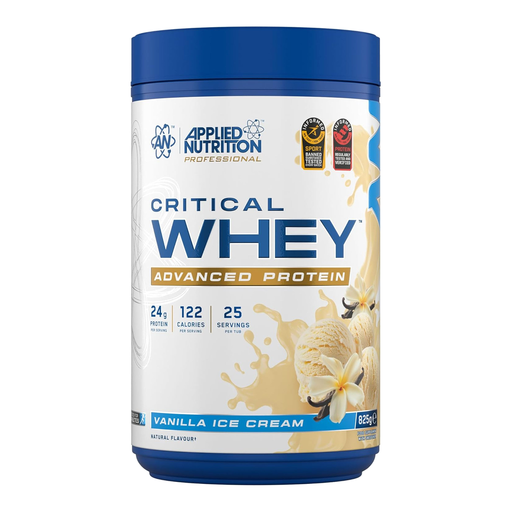
Why This Fits Their Persona: A straightforward whey blend for adults starting a gym or home training routine and wanting a familiar powder format for shakes or recipes.
The label identifies a concentrate and isolate blend, with approximate protein, calorie, fat and carbohydrate values provided for flavour comparison.
Whey concentrate and isolate; approximately 22–24g protein per serving; suitable for vegetarians.
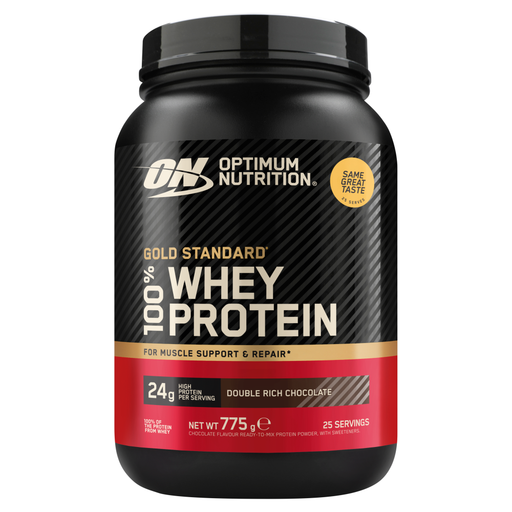
Why This Fits Their Persona: Suits gym-goers who prioritise a whey isolate-led formula, a defined nutrition panel and a familiar post-workout shake routine.
The product page states 24g protein per 31g serving and lists milk and soya allergens, helping shoppers compare actual contents rather than relying on branding.
Whey protein isolate is the primary source; 24g protein per serving; gluten-free information is provided on the listing.
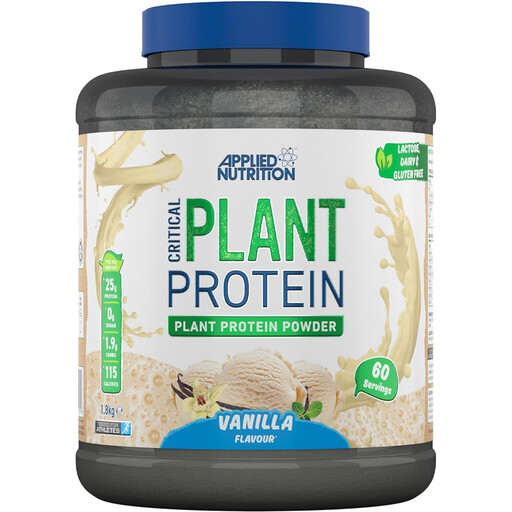
Why This Fits Their Persona: The large tub is practical for regular users following a vegetarian or vegan-friendly routine and preparing shakes several times each week.
It uses a stated blend of soya, pea and brown rice proteins, rather than presenting a single unnamed plant source.
25.3g protein per 30g serving; 1.8kg format; 115 calories per serving according to the listing.
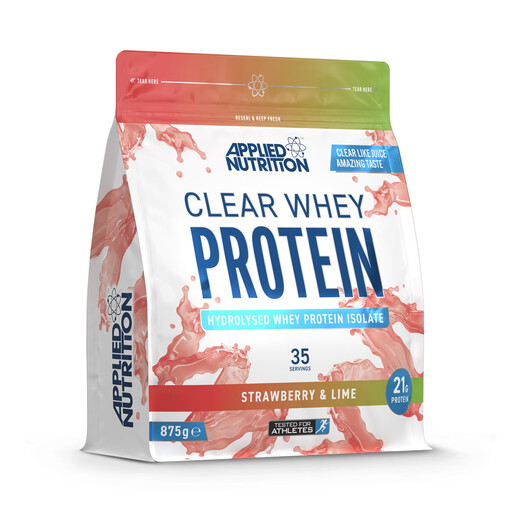
Why This Fits Their Persona: A fruit-style option for people who dislike thick, creamy shakes and want a protein drink after training or during a busy day.
The listing states that it contains milk-derived hydrolysed whey, so the clear format is not confused with a dairy-free product.
21.27g protein and approximately 90 calories per 25g serving; strawberry and lime flavour; low-fat and low-sugar profile.
We have compiled a complete, real-time list of products that fully satisfy these strict selection criteria and UK safety regulations.
No. It is a convenient way to increase protein intake, but food can provide the same macronutrient. A post-workout shake is useful when a normal meal is inconvenient or when your daily intake is difficult to reach.
Follow the best-before date and storage instructions on the packaging. Keeping the container sealed, dry and away from heat helps preserve quality. Discard the product if its smell, colour or texture changes noticeably.
Usually not. A standard whey protein powder or clear whey drink mainly provides protein. A product specifically labelled as a meal replacement may contain additional fibre, vitamins and minerals, but it should still be used according to its directions rather than as a replacement for every meal.