
24/7 全天候客户支持

免费退货

当日/次日达

品质保障

开启新人专享福利: 全场免邮 | 低至 2 折 | 免费试用 30 天 JoyPlus 会员
下载 Joybuy
Choosing protein powder should be straightforward, but crowded shelves and persuasive packaging can make comparison difficult. A large tub does not automatically offer better value, and phrases such as “fast absorption” or “muscle building” do not tell you whether a product suits your diet, calorie target or training routine.
The most useful approach is to compare the protein source, nutrition per serving, allergens, serving size and intended use before purchasing. This guide explains the main pitfalls and highlights suitable options for different types of UK shoppers.
A 2kg container may appear more economical than an 825g tub, but the important figure is the cost per serving and grams of protein per serving. Serving sizes also differ. A whey powder may use approximately 30–33g per serving, while a mass gainer can require 120–150g.
Check:
Whey protein concentrate and whey protein isolate both come from milk. Isolate is generally more refined, but a blend containing concentrate may still contain lactose. A product described as “light” or “clean” is not automatically dairy-free or lactose-free.
Always review the allergen statement. The Applied Nutrition whey products listed below contain milk, and several also contain soya lecithin. If you avoid dairy, consider a suitable plant-based or beef protein powder instead.
Some formulas combine protein with creatine, amino acids, digestive ingredients, carbohydrates or electrolytes. These can be useful for a specific routine, but they may be unnecessary if you already obtain them elsewhere.
For a simple post-workout protein, compare a whey protein powder or clear whey protein with a shorter ingredient list. For weight gain, a mass gainer may be more appropriate because it supplies additional calories and carbohydrates.
Whey protein concentrate usually provides a practical balance of protein, flavour and cost. Whey protein isolate is more refined and may contain less fat and lactose than concentrate, although the exact nutrition varies by product. Hydrolysed whey has been partially broken down during processing and is commonly used in clear protein drinks and recovery formulas.
For dairy-free diets, check options such as:
“Dairy-free” does not necessarily mean free from all common allergens, so read the full label and manufacturing information.
Compare products using the same basis, preferably per serving and per 100g. The supplied options range from approximately 20g to 42g of protein per serving.
A standard whey powder may provide around 22–24g of protein with approximately 90–130 calories. A low sugar protein powder designed for calorie-controlled diets may provide approximately 20g of protein and around 100 calories. In contrast, a weight gain supplement can provide more than 450 calories, with substantial carbohydrate content.
Choose according to your objective:
Look for clearly listed ingredients and nutrition information. Some products include sweeteners such as sucralose, acesulfame K or stevia. Flavour-specific recipes can vary, so check the packaging for the exact version you plan to buy.
Also check:
Food supplements should not replace a varied, balanced diet. Adults with a medical condition, those taking medication and anyone who is pregnant or breastfeeding should seek suitable professional advice before use.
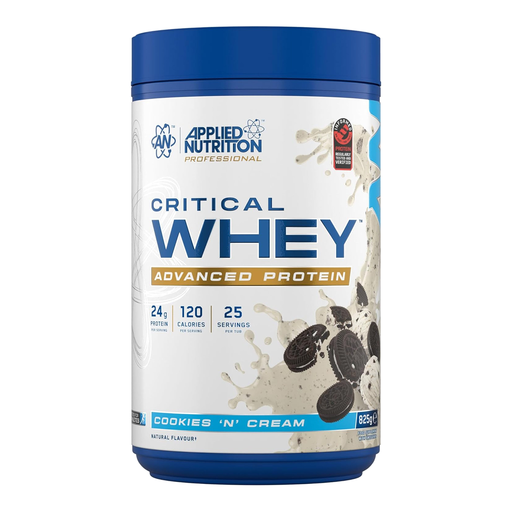
Why This Fits Their Persona: A manageable 825g tub suits beginners who want to establish a regular shake routine without committing to a larger format.
The concentrate-and-isolate blend is clearly identified, with approximately 22–24g protein per serving rather than relying only on broad front-of-pack claims.
Whey concentrate and isolate blend; suitable for vegetarians; designed to mix with water or milk.
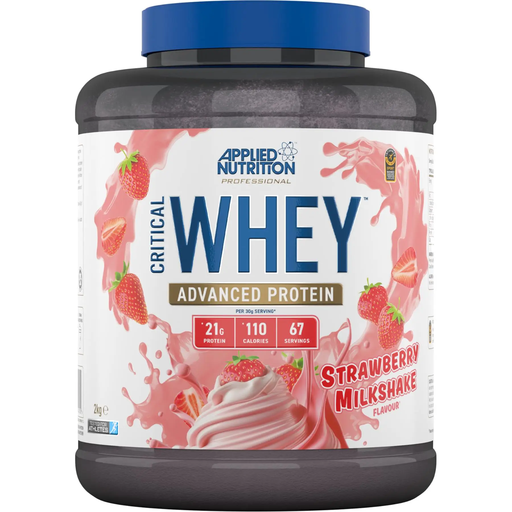
Why This Fits Their Persona: The 2kg format is suited to regular gym-goers who want a larger supply and a multi-source whey formula for daily use.
The label specifies isolate, concentrate, hydrolysed whey and milk protein concentrate, allowing a more informed comparison than vague “premium” wording alone.
Approximately 23.8g protein per 33g serving; strawberry flavour; vegetarian and gluten-free suitability stated by the listing.
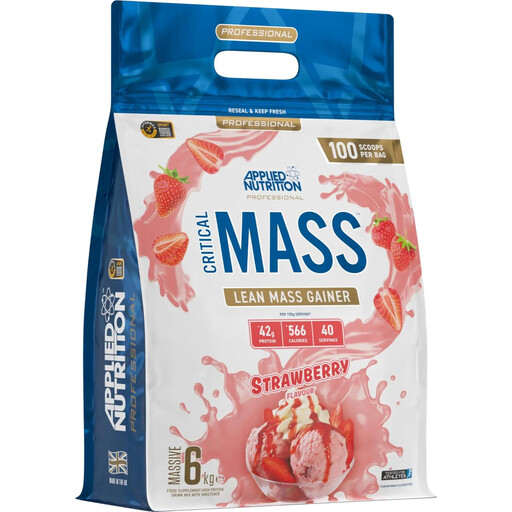
Why This Fits Their Persona: This large-format mass gainer is intended for adults with high calorie and protein requirements who find it difficult to gain weight through meals alone.
Its calorie and carbohydrate content is stated clearly: approximately 566 calories, 74.7g carbohydrates and 42g protein per 150g serving.
Includes 3g creatine monohydrate per listed serving; 6kg format; contains oats, milk, wheat and soya, so the allergen list should be checked carefully.
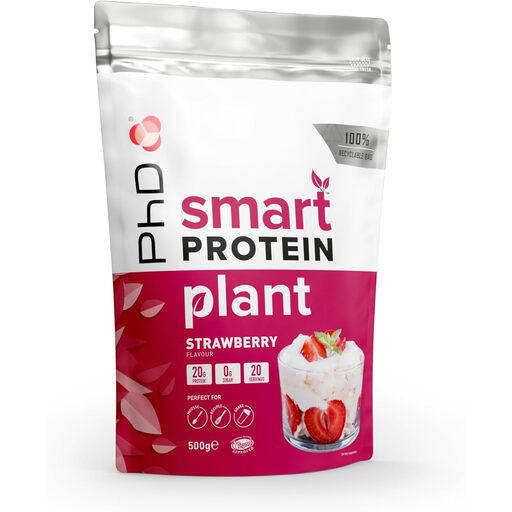
Why This Fits Their Persona: A practical option for adults following vegetarian or plant-focused diets who want to use protein in shakes, smoothies, baking or porridge.
The listing specifies pea and soya protein, 20g protein per 25g serving and zero sugar, rather than presenting plant-based suitability as an unspecified claim.
Contains pea and soya proteins; provides iron, zinc, vitamin B6, folic acid and vitamin B12; suitable for recipes as well as drinks.
We have compiled a complete, real-time list of products that fully satisfy these strict selection criteria and UK safety regulations.
A straightforward whey blend with a clearly stated serving size, moderate calorie content and familiar flavour can be practical for beginners. If you avoid dairy, choose a plant-based or beef protein powder after checking the allergen information.
Yes. Clear whey protein is generally mixed into a thinner, fruit-flavoured drink rather than a creamy milkshake-style shake. For example, the Applied Nutrition Clear Whey listing provides approximately 21.27g protein and 90 calories per 25g serving. It still contains milk because it is made from hydrolysed whey, so it is not suitable for dairy-free consumers.
Not necessarily. A post-workout protein serving can be a convenient way to increase daily intake, but your overall diet matters more than a precise timing window. Follow the product directions, account for protein from meals and avoid exceeding the stated serving guidance.