
24/7 全天候客户支持

免费退货

当日/次日达

品质保障

开启新人专享福利: 全场免邮 | 低至 2 折 | 免费试用 30 天 JoyPlus 会员
下载 Joybuy
Buying protein powder can look straightforward until you compare serving sizes, protein sources, sweeteners, calories and added ingredients. A low price may hide a small tub, while a long ingredient list may add little value for your particular goal.
For UK gym-goers, athletes and active adults, the right choice depends less on bold front-of-pack claims and more on the nutrition panel, allergens, serving size and how the product fits your daily routine.
A large container is not automatically better value. Check the net weight, recommended serving size and approximate number of servings. A mass gainer may use a 150g serving, while a whey protein powder may use approximately 25–30g. Comparing price per tub alone can therefore give a misleading impression.
A whey blend may contain whey concentrate, whey isolate and hydrolysed whey, but the proportions can differ. Plant-based protein powder may combine soy, pea and brown rice protein to provide a broader amino acid profile. Always read the ingredients list rather than relying on terms such as “advanced formula” or “fast recovery”.
Whey protein powder contains milk, and some products also contain soy lecithin. Vegan protein powder can still contain soy, while mass gainers may include milk, wheat and oats. People with allergies or intolerances should check the current packaging, allergen statement and preparation instructions before purchase.
For general daily supplementation, compare the grams of protein per serving and per 100g. For example, Applied Nutrition ISO-XP provides 22.5g of protein per 25g serving, while Optimum Nutrition Gold Standard Whey provides 24g per 30g serving. These figures are more useful than vague descriptions of purity.
A protein isolate is generally more concentrated than a standard whey concentrate, with less carbohydrate and fat in many formulations. However, isolate is not automatically the right option for every user. A whey concentrate and isolate blend may offer a practical balance between nutrition, taste and cost.
For vegetarian and vegan diets, look for a clearly stated plant protein source. Soy, pea and brown rice combinations are common in vegan protein powder and plant-based protein powder products.
Match the powder to your objective:
For reference, the listed Applied Nutrition Diet Whey products provide around 20g of protein and approximately 100–101 calories per 25g serving, while Critical Mass Professional provides 42g of protein and 566 calories per 150g serving.
Follow the label’s recommended dosage rather than assuming more is better. Check whether the product contains milk, soy, wheat, oats, nuts or other allergens. If you take medication, have a medical condition, are pregnant or breastfeeding, seek advice from a qualified healthcare professional before using a food supplement.
Terms such as “athlete tested” should also be understood carefully. Look for the specific certification or testing programme named on the product label, and check that the information applies to the exact product and batch.
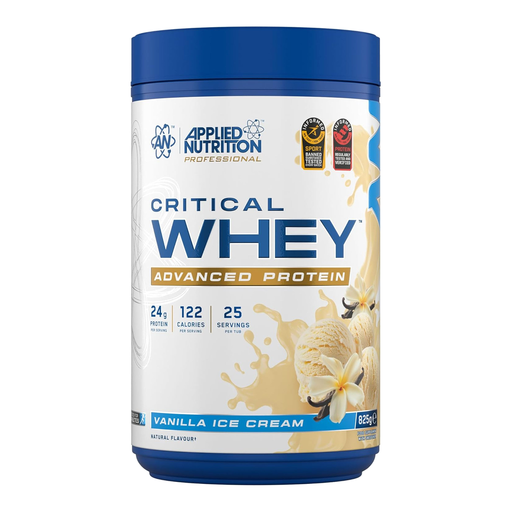
Why This Fits Their Persona: A manageable pack size for people starting resistance training or adding a high-protein shake between meals.
The product lists an approximate 22–24g of protein per serving and identifies whey concentrate and isolate, making comparison easier than relying on front-of-pack wording.
Whey concentrate and isolate blend; suitable for shakes or recipes; available in an 825g format.
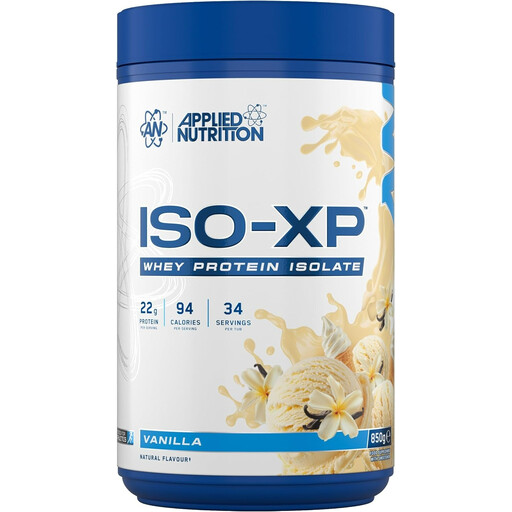
Why This Fits Their Persona: Suitable for macro-conscious adults who want a high protein-to-serving ratio with minimal carbohydrate and fat.
Its stated nutrition panel shows 22.5g protein, 0.09g carbohydrate and 0.24g fat per 25g serving, allowing shoppers to assess the formula directly.
Whey protein isolate-based formula; sunflower lecithin rather than soy lecithin; vanilla flavour.
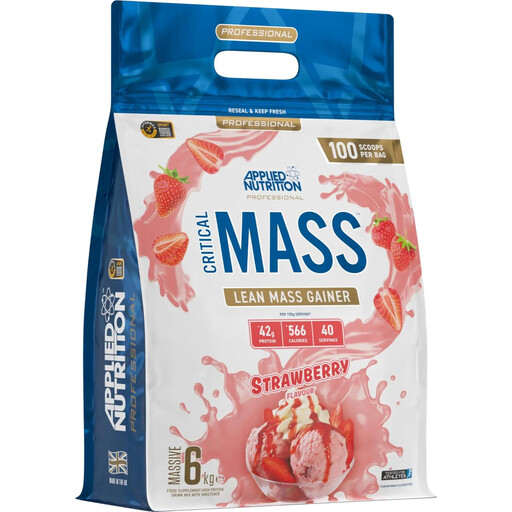
Why This Fits Their Persona: Designed for hard gainers and high-volume trainees who need a substantial calorie and protein addition to their existing diet.
The serving size and calorie contribution are clearly stated, helping users avoid mistaking a high-calorie mass gainer for a low-carb protein shake.
42g protein and 74.7g carbohydrate per 150g serving; includes 3g creatine monohydrate; 6kg pack size.
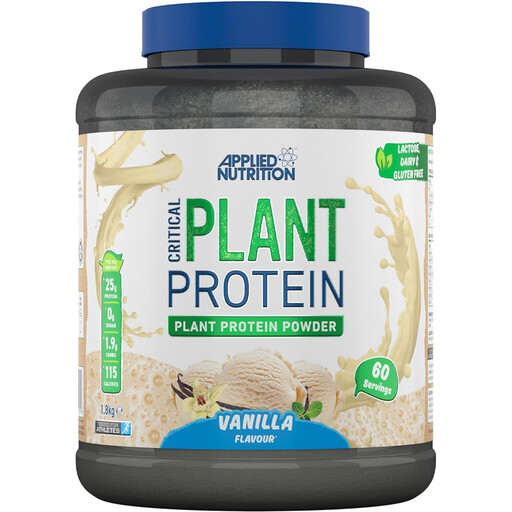
Why This Fits Their Persona: A practical choice for vegans, vegetarians and active adults seeking a larger daily supply of plant-based protein.
The formula identifies soy, pea and brown rice proteins, rather than presenting an unspecified plant blend. It also states the soy allergen clearly.
25.3g protein per 30g serving; 84.3g protein per 100g; 1.8kg pack size; vanilla flavour.
We have compiled a complete, real-time list of products that fully satisfy these strict selection criteria and UK safety regulations.
You can take a protein shake after exercise, between meals or at another convenient time. Total daily protein intake and overall diet matter more than a narrowly defined timing window. Follow the serving guidance on the product label.
No. Whey protein powder contains milk and may also contain soy. Anyone with an allergy, intolerance, medical condition or medication concern should check the label and seek appropriate healthcare advice before use. A vegan protein powder may suit those avoiding dairy, but plant products can still contain soy.
Divide the total powder weight by your serving size and then by the number of servings you use each day. A 1.8kg tub used at 30g per serving provides approximately 60 servings, although the label’s stated scoop size and dosage should take priority. Store the container in a cool, dry place, close it securely and follow the best-before information on the packaging.