
24/7 全天候客户支持

免费退货

当日/次日达

品质保障

开启新人专享福利: 全场免邮 | 低至 2 折 | 免费试用 30 天 JoyPlus 会员
下载 Joybuy
Protein powder can make it easier to increase daily protein intake, but choosing a suitable product is not simply a matter of picking the largest tub or the flavour with the most appealing packaging. Different formulas suit different diets, training routines and calorie targets.
As the Joybuy Product Recommendation Officer, I filter the practical details that matter so you can compare protein nutrition powder, whey protein powder, plant-based options and amino acid supplements with fewer surprises.
A large scoop does not automatically mean a high-protein serving. Always compare the grams of protein per serving and the serving weight. For example, one powder may provide 24g of protein in 33g, while another provides 20g in 25g. Looking only at the tub size can make value comparisons misleading.
Also check carbohydrates, sugars, fat and salt if you are following a low-calorie or low-carbohydrate diet. A product described as a low-sugar protein powder may still contain sweeteners or a small amount of sugar, so the nutrition panel remains important.
Whey protein powder is made from milk and is not suitable for vegans. Some formulas also contain soya lecithin, milk protein or other allergens. Plant-based protein powder may use pea and soya protein, while collagen powder is usually derived from bovine or marine sources.
Read the ingredients and allergen statement, not just the front-of-pack dietary claim. Manufacturing facilities may also handle milk, eggs, nuts, gluten or soya.
A 2kg tub can offer convenience for regular users, but it may not be sensible if you are still deciding which flavour or formula suits you. Similarly, a clear whey protein drink may be preferable to a creamy shake, but it still contains milk if it uses hydrolysed whey.
Consider taste, mixability, storage space and your normal routine before buying a larger format.
Whey concentrate and isolate are milk-derived proteins commonly used for post-workout recovery or between-meal supplementation. Isolate is generally more refined than concentrate, but the actual nutrition values differ between products.
For a dairy-free choice, look for beef protein isolate or plant-based formulas. Applied Nutrition BEEF-XP, for example, lists 27.3g of protein per 30g serving and less than 0.1g of sugar per serving. It is also labelled dairy-free and lactose-free, although the manufacturing facility handles milk and other allergens.
For vegan or vegetarian shoppers, verify that the complete product—not only one ingredient—is labelled appropriately. Some plant-based formulas combine pea and soya protein to provide a practical daily protein source.
A convenient comparison checklist includes:
A typical whey serving in the products considered here provides approximately 22–24g of protein. PhD Smart Plant Protein provides 20g per 25g serving and contains no sugar, alongside added iron, zinc, vitamin B6, folic acid and vitamin B12.
Traditional protein shakes are usually mixed with water or milk. Clear whey protein is designed to produce a lighter, fruit-style drink, while an essential amino acid powder is generally mixed with water or juice.
Check the recommended liquid volume and whether the product needs time to settle after shaking. The MyProtein Impact EAA range, for instance, recommends weighing the powder because it can settle over time. Applied Nutrition THE Recovery also advises waiting around 15 seconds after shaking for foam to settle.
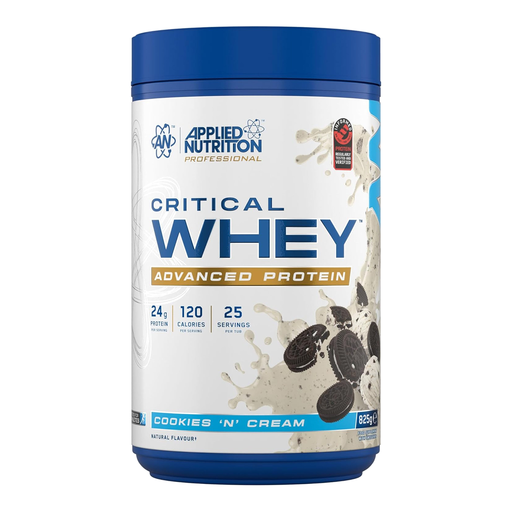
Why This Fits Their Persona: A manageable tub size for adults beginning regular gym sessions and looking for a familiar whey format for shakes or recipes.
The listing gives an approximate 22–24g protein per serving and identifies milk and soya allergens, helping shoppers compare the formula rather than relying on tub size.
Whey concentrate and isolate blend; suitable for shakes, smoothies and between-meal use.
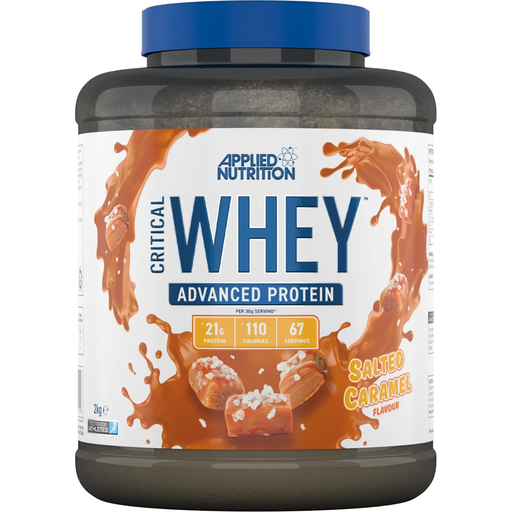
Why This Fits Their Persona: Regular lifters who want a larger supply and a multi-source whey formula for ongoing training routines.
The label lists 24g protein per 33g serving and shows the blend of concentrate, isolate and hydrolysate, rather than presenting an unspecified protein mixture.
24g protein per serving; includes naturally occurring BCAAs and glutamine.
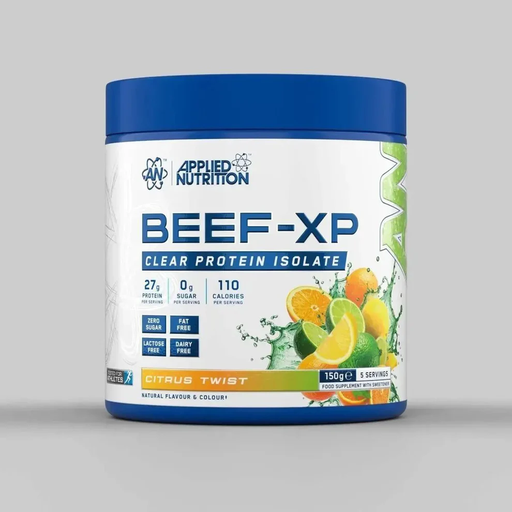
Why This Fits Their Persona: Adults avoiding dairy or lactose who prefer a fruit-style drink rather than a creamy whey shake.
It clearly identifies hydrolysed beef protein isolate, rather than using a vague dairy-free description. The allergen note still advises checking the facility information.
27.3g protein per 30g serving; less than 0.1g sugar and 112 kcal per serving.
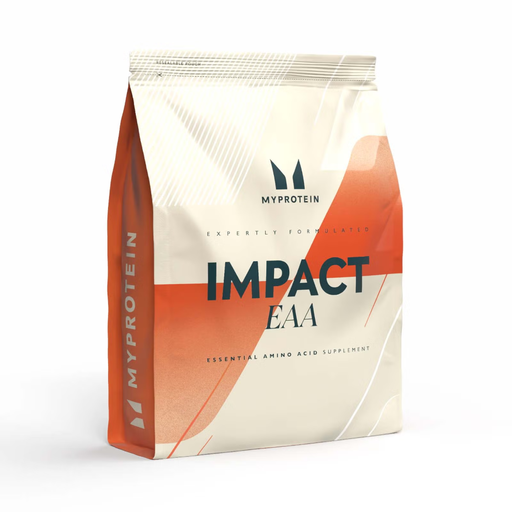
Why This Fits Their Persona: Adults following vegetarian or vegan diets who want an essential amino acid powder around training without calories or sugar listed per serving.
It is not presented as a replacement for complete protein powder: it is an EAA supplement containing all nine essential amino acids and should complement a balanced diet.
9g serving; 4:1:1 BCAA ratio and zero calories and sugar listed in the product information.
We have compiled a complete, real-time list of products that fully satisfy these strict selection criteria and UK safety regulations.
Keep the container tightly closed in a cool, dry place away from direct sunlight and moisture. Do not leave the scoop wet or store the tub beside a kettle or cooker, where steam can cause clumping. Always check the best-before date, batch details and storage instructions on the supplied label.
Clear whey can be used after exercise if it fits your daily protein target and dietary requirements. It is still commonly milk-derived, despite its light appearance. Applied Nutrition Clear Whey provides 21.27g of protein per 25g serving and contains milk, so it is not suitable for people avoiding dairy or following a vegan diet.
No. An EAA supplement supplies essential amino acids, while protein powder supplies a larger quantity of dietary protein. MyProtein Impact EAA products list all nine essential amino acids and are suitable for vegans and vegetarians, but their product information lists 0g protein per serving. Choose a complete protein source when your priority is increasing total daily protein; consider an EAA supplement only when its specific formulation suits your nutrition plan.
Always read the product label before use. Food supplements should form part of a varied, balanced diet and healthy lifestyle, and anyone who is pregnant, breastfeeding, taking medication or managing a medical condition should seek appropriate healthcare advice before use.