
24/7 全天候客户支持

免费退货

当日/次日达

品质保障

开启新人专享福利: 全场免邮 | 低至 2 折 | 免费试用 30 天 JoyPlus 会员
下载 Joybuy
Choosing a protein powder should be simple: compare the protein per serving, check the ingredients and select a flavour you will actually use. In practice, large tubs and bold claims can make a straightforward purchase harder than expected.
This guide from the Joybuy Product Recommendation Officer separates useful specifications from marketing language, helping UK shoppers compare whey protein powder, clear whey protein, vegan formulas and amino acid supplements with greater confidence.
A 2kg protein powder tub may appear economical, but the total weight does not tell you how much protein each serving provides. A powder containing 70g protein per 100g offers a different value from one containing 85g per 100g.
Always compare:
For example, the Applied Nutrition Critical Professional Whey range lists approximately 23.8–24g of protein per serving, while the Applied Nutrition Clear Whey products provide approximately 21.27g per 25g serving.
Marketing terms such as “clean”, “rapid” and “advanced” do not replace an ingredient list. Whey protein powder contains milk, and some products also contain soya, sweeteners or thickeners. Clear whey protein may taste lighter than a creamy shake, but it remains a dairy-based product unless clearly labelled otherwise.
If you avoid dairy or lactose, check alternatives such as vegan protein powder or beef protein isolate. Also remember that products manufactured in shared facilities may carry allergen warnings even where the ingredient list appears suitable.
An EAA powder supplies selected amino acids rather than a conventional protein serving. An essential amino acid supplement can be useful for people who specifically want a zero-calorie, zero-sugar drink, but it should not automatically be treated as a replacement for a high-protein meal or shake.
Review the label for the amount of each amino acid, serving size and recommended daily use. The Impact EAA products listed below contain all nine essential amino acids, but their nutrition panels list 0g protein and focus on individual amino acid quantities.
Whey concentrate and whey isolate are milk-derived proteins. A blend may combine concentrate, isolate and hydrolysed whey, as seen in Applied Nutrition Critical Whey products. Check whether the label states milk and soya allergens.
For dairy-free requirements, Applied Nutrition BEEF-XP uses hydrolysed beef protein isolate. It provides 27.3g protein per 30g serving and is labelled dairy-free and lactose-free. It is not suitable for vegetarians or vegans.
Plant-based shoppers should look for a blend rather than relying on one source alone. The DR.VEGAN Protein & Creatine Superblend combines pea, pumpkin seed and hemp seed proteins and provides 20g protein per 30g serving. It is labelled free from dairy, lactose, soya, gluten and added sugar, although the packaging should always be checked before consumption.
Protein density is the percentage of protein by weight. A product providing 85g protein per 100g has a higher protein density than one providing 70g per 100g, but flavour, texture and dietary suitability still matter.
Useful comparisons from the supplied range include:
For a low-sugar protein powder, compare the “of which sugars” line rather than relying on front-of-pack wording.
A creamy whey shake can work well after a gym session or between meals. A clear whey formula may be preferable if you want a fruit-style drink rather than a milkshake texture. The Clear Whey range is designed to mix with cold water and includes flavours such as cherry and apple, watermelon, orange squash and strawberry and lime.
An EAA powder is usually mixed with water before, during or after exercise. A protein and creatine powder combines two supplement types in one serving, which may simplify a routine but requires careful checking of the creatine amount and any other active ingredients.
For regulated sport, look for relevant certification shown on the product listing or packaging. For example, selected Impact EAA products are described as Informed Choice certified, while BEEF-XP is labelled Halal certified and Tested for Athletes. These credentials should be verified on the current product packaging.
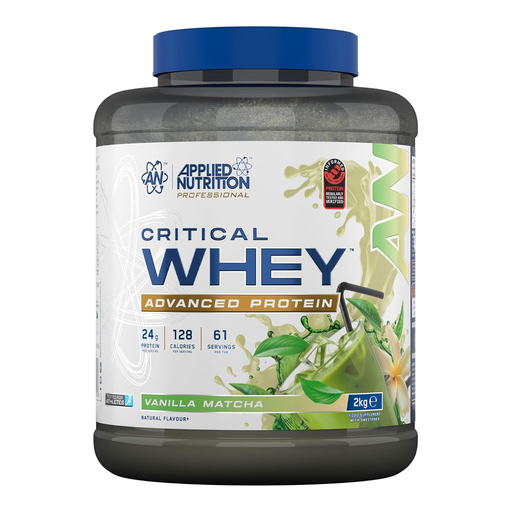
Why This Fits Their Persona: The large 2kg format suits regular gym-goers who want one familiar whey powder for shakes, recipes or between-meal use.
The listing provides serving-level figures, including approximately 22–24g protein, rather than relying only on the tub size.
Whey concentrate and isolate blend; suitable for shakes or recipes; available in a large 2kg pack.
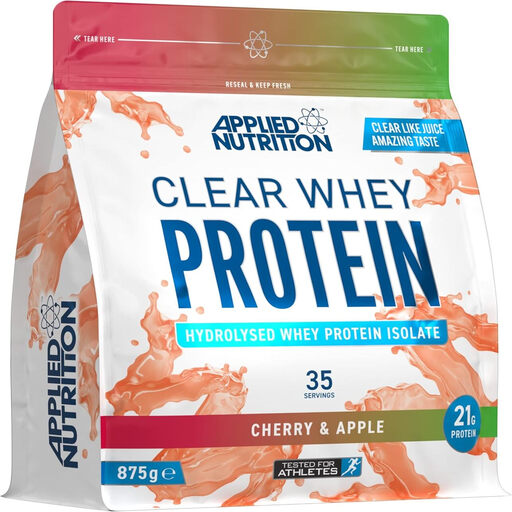
Why This Fits Their Persona: A practical choice for adults who prefer a light, fruity drink and do not enjoy the texture of traditional creamy whey shakes.
The nutrition panel states 21.27g protein per 25g serving, helping shoppers compare it with conventional powders.
95% hydrolysed whey protein; approximately 90 kcal per 25g serving; cherry and apple flavour.
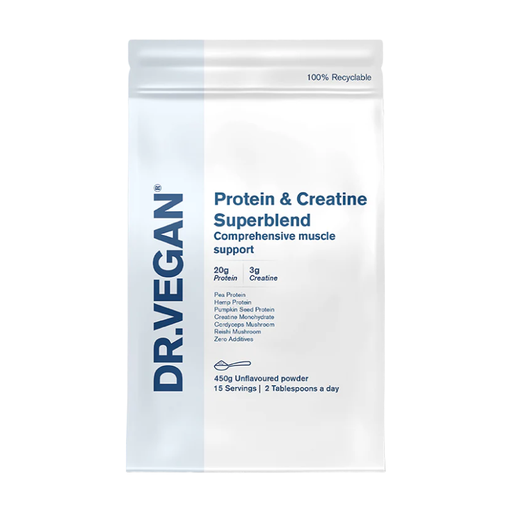
Why This Fits Their Persona: This unflavoured formula suits vegans and customers who want to add protein and creatine to smoothies, yoghurt or baking.
Its ingredient list clearly identifies the plant protein sources and the separate creatine monohydrate content.
20g protein and 3g creatine per 30g serving; free from dairy, lactose, soya and gluten.
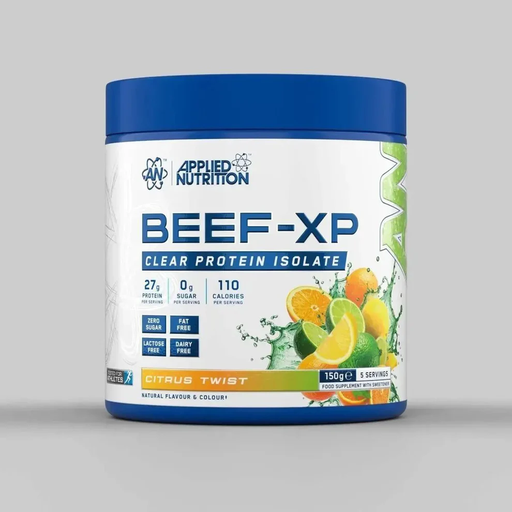
Why This Fits Their Persona: A dairy-free, lactose-free option for active adults who want a clear fruit-style drink with a high protein contribution.
The product states the protein source, dietary exclusions and serving quantities instead of presenting dairy-free suitability as an assumption.
27.3g protein per 30g serving; less than 0.1g sugar and fat per serving; Halal certified according to the supplied product information.
Many adults use protein powder as a convenient way to increase daily protein intake, but it should complement a varied, balanced diet rather than replace it. Follow the serving instructions on the current UK label and consider your total intake from food and other supplements.
Clear whey is usually a different format and texture, often made with hydrolysed whey. “Easier to digest” depends on the individual and does not mean it is dairy-free. Check the milk allergen statement, particularly if you have lactose intolerance or a milk allergy.
Divide the total pack weight by the stated serving size, then adjust for your intended frequency. A 2kg protein powder tub used at 30g per serving provides roughly 66 servings, although the exact number depends on the label and scoop accuracy. Use weighing scales where the manufacturer recommends them, store the powder in a cool, dry place and follow the best-before information on the packaging.