
24/7 全天候客户支持

免费退货

当日/次日达

品质保障

开启新人专享福利: 全场免邮 | 低至 2 折 | 免费试用 30 天 JoyPlus 会员
下载 Joybuy
Protein powder can make it easier to increase daily protein intake, but choosing a suitable product is not simply a case of picking the largest tub or the most impressive-looking label. UK shoppers often pay for features they do not need, overlook allergens or select a formula that does not match their diet.
This guide explains the main buying traps, the specifications worth checking and our top recommendations for different types of customer.
A large scoop does not automatically mean a high-protein product. Compare the grams of protein per serving and the protein percentage per 100g. For example, Applied Nutrition Clear Whey lists approximately 21.27g of protein per 25g serving, while Applied Nutrition BEEF-XP provides 27.3g per 30g serving.
Also check calories, carbohydrates and sugars. A low-sugar protein powder may be more suitable for calorie-controlled diets, while a mass gainer intentionally contains considerably more carbohydrate and energy.
Whey protein powder, plant-based protein powder, clear whey protein and essential amino acid supplements serve different purposes.
Words such as “rapid”, “lean”, “advanced” or “professional” do not tell you whether a powder suits your routine. Focus on the ingredient list, nutrition panel, allergen statement, serving instructions and any relevant quality certification.
For UK athletes, certifications such as Informed Choice or Informed Sport may be useful indicators of a product’s testing programme. They do not replace checking the full label or considering your own dietary needs.
Check whether the product contains milk, soya, gluten, oats or other ingredients relevant to you. Whey protein powder is not suitable for a vegan diet and may not suit people avoiding dairy or lactose. A plant-based protein powder can be suitable for vegetarian and vegan diets, but always check the allergen information: pea-and-soya blends may not be appropriate for people with a soya allergy.
Beef protein isolate can offer a dairy-free and lactose-free alternative. It is not vegetarian or vegan, and products may be manufactured in facilities handling milk, eggs, soya or gluten.
For a standard shake, compare:
A typical whey serving in the products below provides around 20–24g of protein. A mass gainer may provide much more energy and carbohydrate, so it should be selected for a specific calorie-intake need rather than used as an everyday substitute for food.
Creamy powders can work well in porridge, smoothies and baking. Clear whey protein is more like a fruit drink and may be preferable if you dislike milkshake-style textures. Unflavoured EAA or collagen powder can be mixed into other drinks, but taste and solubility can vary.
Follow the product’s stated serving size rather than relying solely on the scoop. Powder can settle during storage, so weighing it provides a more consistent portion.
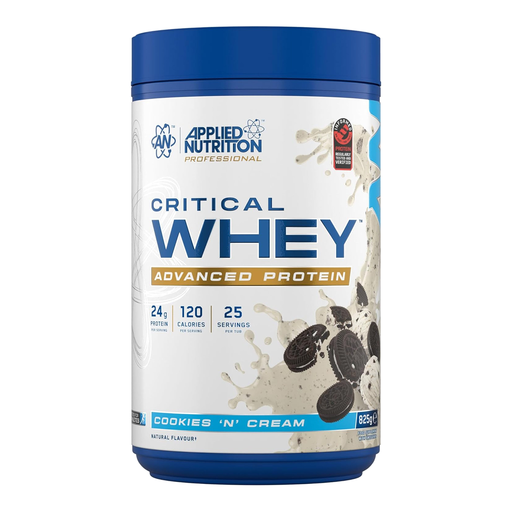
Why This Fits Their Persona: A straightforward whey protein powder for adults beginning strength training or simply trying to increase protein between meals. The 825g format lets new users try a regular shake routine without immediately choosing a very large tub.
The label identifies whey concentrate and whey isolate, with approximate protein, carbohydrate, sugar and fat values per serving. It also clearly states that it contains milk and soya.
Provides approximately 22–24g of protein per serving and can be mixed with water or milk for use after training or between meals.
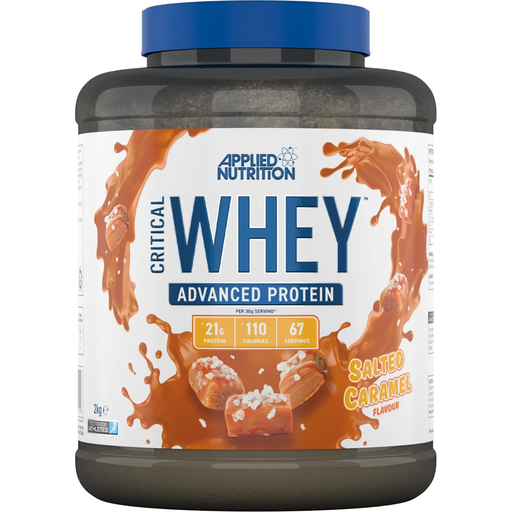
Why This Fits Their Persona: A larger-format option for regular gym-goers who already know they prefer a creamy shake and want a longer supply for ongoing training.
Rather than relying only on flavour claims, the listing gives a stated 33g serving size, 24g protein, 130 kcal and 2.3g sugar, alongside the milk allergen declaration.
Combines whey concentrate, isolate and hydrolysed whey, with 24g of protein per listed serving and a 2kg pack size.
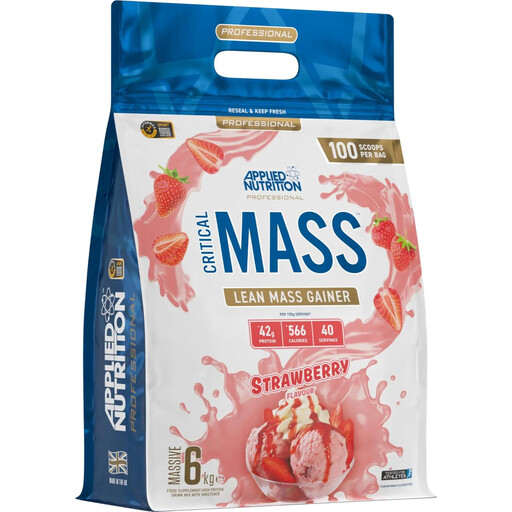
Why This Fits Their Persona: Designed for adults with high calorie and protein requirements who find it difficult to meet intake targets through ordinary meals and standard whey shakes.
Its nutrition panel makes the higher intake clear: a 150g serving contains approximately 566 kcal, 42g protein and 74.7g carbohydrate. This helps prevent confusing a mass gainer with a low-calorie protein powder.
Provides listed protein, carbohydrate and creatine in one formula, with a 6kg pack for frequent use. Contains milk, oats, wheat and soya.
We have compiled a complete, real-time list of products that fully satisfy these strict selection criteria and UK safety regulations.
There is no single required time. Many people use a shake after training or between meals, while others add it to breakfast or recipes. The practical priority is choosing a serving that helps you meet your overall daily protein intake.
Shelf life depends on the product’s best-before date, storage conditions and frequency of use. Keep the container tightly closed in a cool, dry place away from direct sunlight and moisture. Do not use it if the powder develops an unusual smell, appearance or texture.
The cost per serving depends on the pack price, serving size and protein quantity. Divide the purchase price by the number of labelled servings, then compare protein per serving and total nutrition rather than judging value by tub size alone. Always follow the recommended dosage and remember that food supplements should complement, not replace, a varied and balanced diet. Check the current product label for ingredients, allergens and warnings before use.