
24/7 Customer Support

Free returns

Same-day & Next-day Delivery

Quality Guaranteed

Unlock Your Welcome Offers: FREE Delivery | Up to 80% OFF | Free 30-day JoyPlus trial
Download the APP
Protein powder can make it easier to increase daily protein intake, prepare a post-workout protein shake or add calories between meals. However, choosing between whey protein powder, clear whey protein, mass gainer and plant-based protein powder is not simply a matter of picking the largest tub or the most impressive label.
The right choice depends on protein source, serving nutrition, dietary requirements and how you intend to use it. This guide highlights common buying traps and practical specifications to check before ordering in the UK.
A large container may appear economical, but the number of servings and protein per serving matter more than the net weight. A 2kg product with a lower protein concentration may provide less usable protein than a smaller, more concentrated formula.
Check:
For example, a mass gainer is designed to provide substantially more calories and carbohydrates than a standard whey formula. It may not be suitable if your priority is a low-calorie protein supplement.
A formula containing creatine, amino acids, enzymes, HMB or other additions may suit a specific training plan, but extra ingredients do not automatically make a product suitable for everyone. If you only want convenient protein between meals, a simpler whey protein powder may be more practical.
Likewise, a BCAA protein powder is not necessarily needed if your chosen protein already provides a broad amino acid profile. Compare the complete nutrition panel rather than relying on front-of-pack terms.
Many whey and casein products contain milk, while some formulas also contain soya, wheat or oats. Plant-based protein powder may contain soya, peas or other ingredients that require checking.
Always read the allergen statement and the current product label, particularly if you have an allergy, intolerance or follow a vegetarian, vegan, dairy-free or halal diet. Packaging and formulations can change.
Whey protein concentrate and isolate are milk-derived options commonly used after exercise or between meals. A blend may include concentrate, isolate and hydrolysed whey, with the precise nutritional profile varying by flavour.
Clear whey protein is mixed with water to create a lighter, fruit-style drink rather than a creamy shake. It can be useful if you prefer a refreshing drink or do not enjoy thick shakes.
Beef protein powder offers a dairy-free alternative. Applied Nutrition BEEF-XP Clear Beef Protein Isolate, for example, lists 27.3g of protein and 112 kcal per 30g serving, with less than 0.1g of sugar per serving according to the supplied product information.
Plant-based protein powder may suit vegetarian or plant-focused diets. Check the source carefully: the PhD Smart Plant Protein product lists pea and soya protein and provides 20g of protein per 25g serving.
For a standard protein supplement, compare protein against the total serving weight. Several Applied Nutrition Critical Whey products provide approximately 22–24g of protein per serving, while the Critical Professional Whey range lists approximately 23.8–24g per serving, depending on the product.
A mass gainer or weight gain powder has a different purpose. Applied Nutrition Critical Mass Professional Strawberry lists 42g of protein, 74.7g of carbohydrate and 566 kcal per 150g serving. This type of product may be appropriate for hard gainers or active adults who struggle to consume enough calories through meals, but it can add substantial energy to your daily intake.
Check whether the serving requires one scoop, two scoops or a much larger measured quantity. Scoops are estimates, so using kitchen scales can improve portion accuracy.
Most products are mixed with water, milk or a plant-based drink. Consider whether you want:
Store protein powder in a cool, dry place away from direct sunlight, and keep the container tightly closed. Follow the label’s dosage and storage instructions.
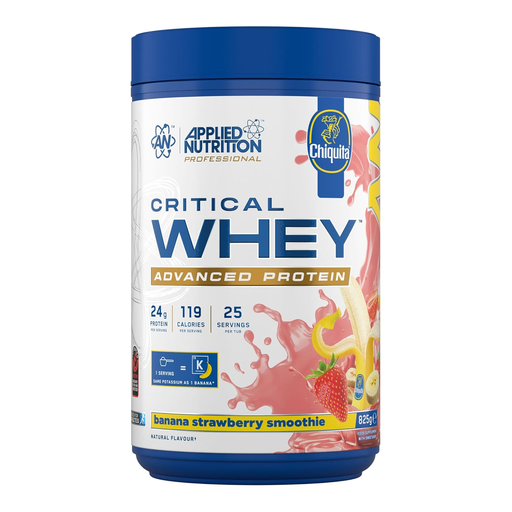
Why This Fits Their Persona: A straightforward whey blend for adults starting a regular gym routine or trying to increase protein between meals without choosing a high-calorie gainer.
The supplied information gives approximate protein, carbohydrate and fat values per serving, making it easier to compare with other standard whey products.
Contains whey concentrate and isolate, mixes with water or milk, and provides approximately 22–24g of protein per serving.
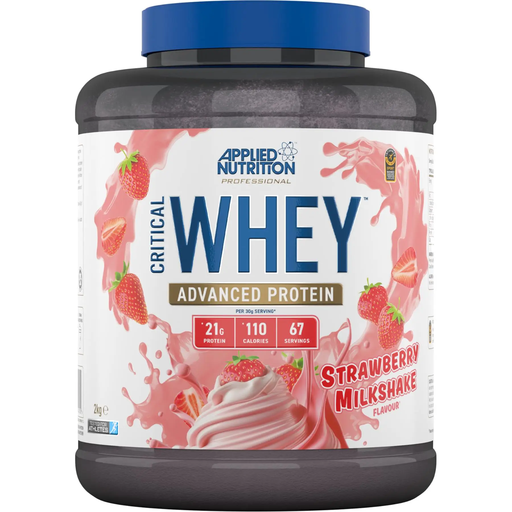
Why This Fits Their Persona: Suitable for adults who want a larger tub and a multi-source whey formula for regular training, post-workout shakes and daily protein planning.
Its listing provides per-serving and per-100g nutrition figures, so the larger pack can be assessed by serving content rather than packaging size alone.
Uses whey concentrate, isolate, hydrolysed whey and milk protein concentrate, with approximately 23.8g protein per 33g serving.
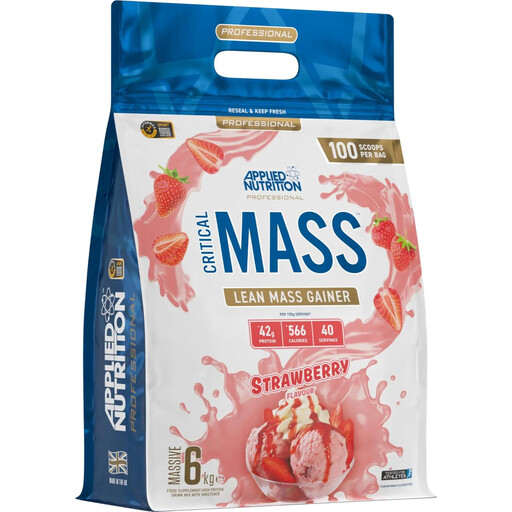
Why This Fits Their Persona: Designed for hard gainers, bodybuilders and active adults who need a convenient source of substantial calories, carbohydrates and protein.
The serving figures clearly show that this is a mass gainer rather than an ordinary whey powder, helping prevent an unsuitable low-calorie purchase.
Provides 42g protein, 74.7g carbohydrate and 566 kcal per 150g serving, plus listed creatine and amino acids.
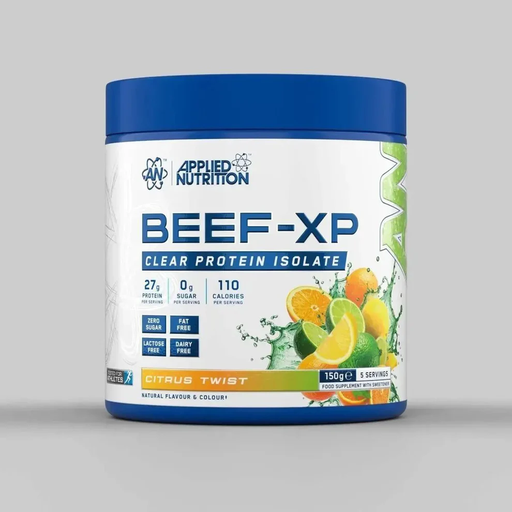
Why This Fits Their Persona: A dairy-free, lactose-free format for adults who prefer a fruit-style drink instead of a milk-based shake.
The listing identifies the beef protein source, dairy-free positioning and per-serving nutrition, rather than leaving the protein origin unclear.
Lists 27.3g protein, 112 kcal and less than 0.1g sugar per 30g serving; the product is also described as halal certified.
We have compiled a complete, real-time list of products that fully satisfy these strict selection criteria and UK safety regulations.
No. Protein powder is a convenient food supplement, not a requirement after every training session. You can use it after exercise or between meals when it helps you meet your overall daily protein intake. A varied and balanced diet remains important.
Not automatically. Clear whey products often have a light texture and may list around 90 kcal per serving, but nutrition varies by formula and flavour. Check the energy, sugar and serving-size information on the label rather than judging by texture alone.
Shelf life depends on the product’s best-before date, storage conditions and handling. Keep the container sealed in a cool, dry place and use a clean, dry scoop. Do not use the product if its appearance, smell or texture has changed, and always follow the current packaging instructions.
Food supplements are intended for adults and should not replace a varied, balanced diet and healthy lifestyle. If you are pregnant, breastfeeding, taking medication or managing a medical condition, seek advice from a qualified healthcare professional before use.