
24/7 Customer Support

Free returns

Same-day & Next-day Delivery

Quality Guaranteed

Unlock Your Welcome Offers: FREE Delivery | Up to 80% OFF | Free 30-day JoyPlus trial
Download the APP
Protein powder can make it easier to increase daily protein intake, prepare post-workout protein and keep convenient snacks available during a busy week. However, a large tub, impressive wording and a long ingredient list do not automatically make a product suitable for your routine.
The right choice depends on protein per serving, ingredients, dietary suitability, calories, format and intended use. This guide explains the main buying traps and highlights practical options for different UK shoppers.
A large scoop does not necessarily provide a high amount of protein. Always compare the grams of protein per serving and, where useful, the protein per 100g. A product may have a 40g serving but provide considerably less protein than a 25g serving of a more concentrated formula.
Also check the carbohydrate, fat, sugar and calorie content. This is particularly important when choosing a low-sugar protein powder for weight management or a mass gainer designed to add calories.
Whey protein powder, hydrolysed whey and clear whey protein are often selected for convenience around training because they are designed to mix into a drink and provide protein quickly. That does not mean every shopper needs the same formula.
A protein blend containing casein or milk protein may be more suitable for someone who wants a thicker snack. Plant-based protein powder may better match a vegan or vegetarian diet, while a ready-to-drink protein shake can be more practical than carrying a shaker to work or the gym.
Many sports nutrition supplements contain milk or soya, and some products may be manufactured in facilities handling eggs, cereals containing gluten, nuts or fish. Read the full label rather than relying only on terms such as “clean”, “light” or “plant-based”.
Vegan protein powder should state its suitable dietary positioning clearly. A whey product, including clear whey, is still milk-derived and is not vegan. If you have an allergy, intolerance, medical condition or take medication, check the label and seek appropriate healthcare advice before use.
Whey protein concentrate and isolate are milk-derived options commonly used in protein shakes. Concentrate generally retains more of the natural components of milk, while isolate is more filtered. Product formulas vary, so compare the nutrition panel rather than judging by the name alone.
For a plant-based option, look for the protein source, such as pea or soya protein, and check whether the product is suitable for your diet. A clear beef protein isolate can provide a dairy-free alternative, but it is not suitable for vegetarians or vegans.
Choose the formula that matches your purpose:
Powders require a shaker, water or milk and space for storage. A ready-to-drink protein shake needs no mixing but may cost more per serving and requires attention to storage after opening.
Flavour also affects whether you will use a product consistently. Creamy whey suits traditional shakes and recipes, while clear whey protein offers a fruit-style drink. Unflavoured EAA powder can be added to other drinks, but essential amino acids are not the same as a complete protein serving.
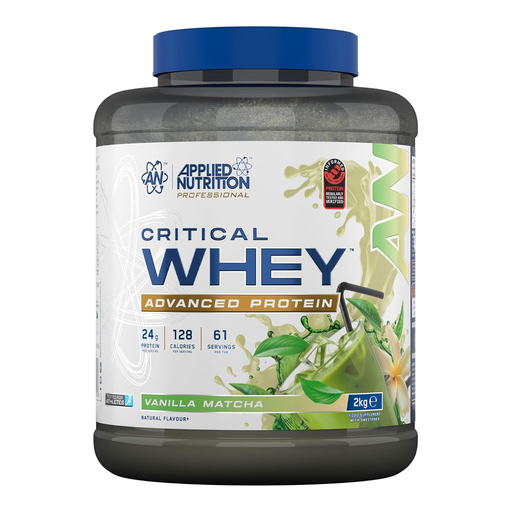
Why This Fits Their Persona: A 2kg whey format provides a practical option for adults who regularly prepare shakes at home after training or between meals.
The listed formula uses whey concentrate and isolate, with approximately 22–24g protein per serving. Check the flavour-specific label for exact values.
Whey concentrate and isolate blend; suitable for shakes, smoothies or recipes.
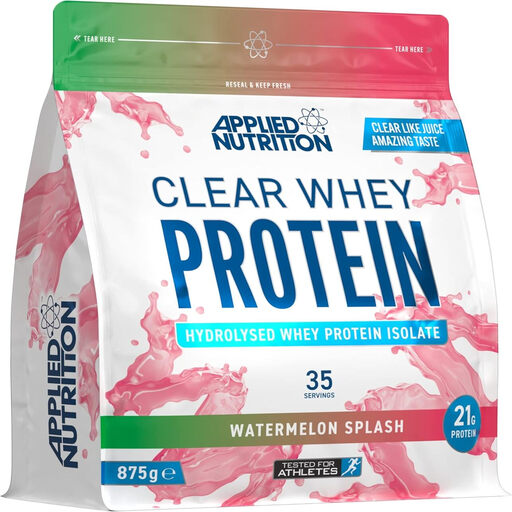
Why This Fits Their Persona: This suits shoppers who prefer a light, fruit-flavoured drink rather than a thick, creamy shake.
The nutrition panel states 21.27g protein and 90 kcal per 25g serving, helping with straightforward macro comparisons.
95% hydrolysed whey protein; approximately 0.24g sugar per serving.
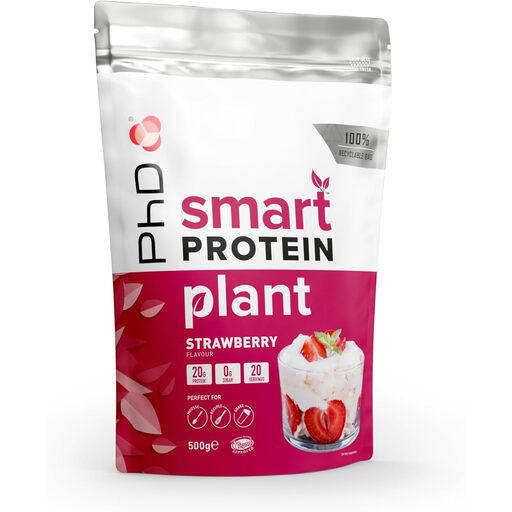
Why This Fits Their Persona: A plant-based powder is suitable for adults seeking an alternative to dairy protein for shakes, smoothies, baking or cooking.
The ingredients identify pea and soya protein, while the product information states zero sugar per 25g serving. Check the soya allergen notice before purchase.
20g protein per serving; includes vitamin B6, B12, iron and zinc.
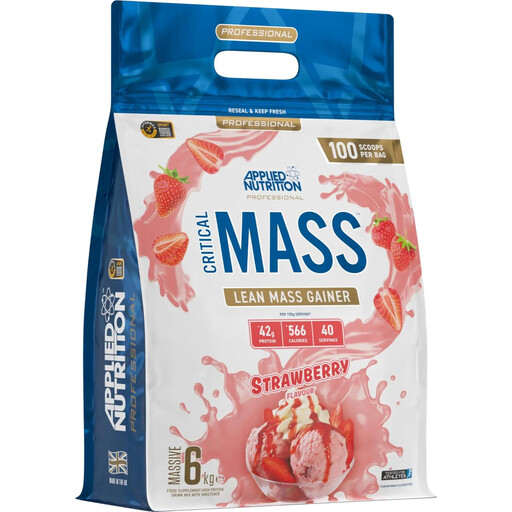
Why This Fits Their Persona: Designed for adults with higher calorie and protein requirements who want a larger-format mass gainer for regular training nutrition.
Its serving information clearly separates the larger calorie and carbohydrate contribution from standard protein powder.
42g protein, 74.7g carbohydrate and 566 kcal per 150g serving; includes 3g creatine monohydrate.
We have compiled a complete, real-time list of products that fully satisfy these strict selection criteria and UK safety regulations.
No. Protein powder is a convenient food supplement, not a requirement. You can meet protein needs through ordinary foods, depending on your diet and routine. Use a shake or ready-to-drink protein shake when it helps you reach your planned intake conveniently.
Keep the container sealed in a cool, dry place away from direct sunlight and moisture. Follow the best-before information on the packaging. Ready-to-drink products usually need refrigeration after opening, so check the individual label.
Some people use protein, creatine powder and essential amino acids as separate sports nutrition supplements, but combining products increases total intake and may not be suitable for everyone. Check each label, follow recommended servings and seek healthcare advice if you have a medical condition, take medication or are unsure about compatibility.