
24/7 全天候客户支持

免费退货

当日/次日达

品质保障

开启新人专享福利: 全场免邮 | 低至 2 折 | 免费试用 30 天 JoyPlus 会员
下载 Joybuy
By Joybuy Product Recommendation Officer
Buying protein powder can seem straightforward until you compare serving sizes, protein percentages, flavours and calorie figures. A large tub does not automatically mean good value, while an impressive list of added ingredients may not suit your actual training plan.
Whether you want whey protein powder for convenient daily protein, a high-protein powder for post-workout use or a mass gainer powder to increase calories, the right choice depends on the nutrition panel and your routine—not just the front of the packaging.
A 2kg bag may look economical, but the number of servings varies considerably. A standard whey serving is often around 30–33g, while a mass gainer serving can be 120–334g. Compare the cost per serving and protein per serving, not simply the pack weight.
Also check whether the stated serving is realistic for your needs. A very large serving may provide more calories than you want in one drink.
Whey powder is primarily intended to help increase protein intake. A mass gainer combines protein with substantial carbohydrates and calories, making it more suitable for people who struggle to eat enough food.
For example, the supplied product information for a Critical Mass Professional formula lists 42g of protein and approximately 566 kcal per 150g serving, while a whey product may provide around 21–24g of protein and approximately 109–130 kcal per serving. These products serve different purposes. Choosing a mass gainer when you only need extra protein can make calorie control more difficult.
Terms such as “premium”, “fast absorbing” or “clean formula” should be checked against the ingredient list and nutrition panel. Look for:
A product with more ingredients is not automatically more suitable. A simpler whey protein may be easier to fit into a normal UK diet, while a gainer may be useful for a planned calorie surplus.
Protein content per 100g allows a fair comparison between products. The Vilgain Grass Fed Whey Protein products listed here provide 24g protein per 30g serving and 80g per 100g. Several Applied Nutrition Critical Professional Whey flavours provide approximately 24g per 33g serving and 72–72.7g per 100g.
Whey concentrate generally contains some lactose, fat and carbohydrate. Whey isolate is typically more concentrated, while hydrolysed whey has been processed into smaller protein fragments. These differences can affect price, texture and suitability, but they do not remove the need to check the complete label.
For lean muscle gain, the powder should complement your overall meals and training rather than replace a varied diet. Check calories alongside protein:
A gainer may be appropriate for hard gainers or athletes with high energy demands, but serving sizes can be large. Start with the stated serving guidance and adjust only within the product instructions and your nutrition plan.
UK shoppers should read the label before use. Common allergens in these products include milk, whey, soy, oats, wheat and egg. Some products may also be made in facilities handling other allergens.
Follow the manufacturer’s mixing instructions, especially for large servings. Store opened powder in a cool, dry place away from direct sunlight, and keep it out of reach of children. Food supplements should not replace a varied, balanced diet and healthy lifestyle. If you are pregnant, under 18, taking medication or managing a medical condition, seek appropriate healthcare advice before use.
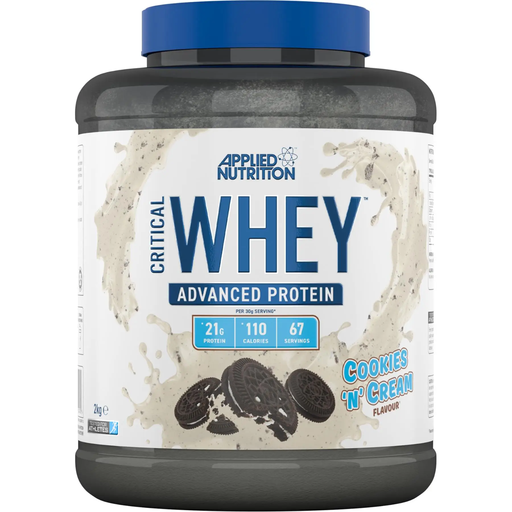
Why This Fits Their Persona: A 2kg pack offers a practical format for gym newcomers and regular users who want to establish a consistent shake routine without choosing a high-calorie gainer.
The nutrition panel states 21g protein and 110 kcal per 30g serving, helping shoppers distinguish a whey product from a mass gainer.
Contains whey concentrate, isolate, hydrolysate and milk protein concentrate; the supplied instructions specify mixing with cold water or milk.
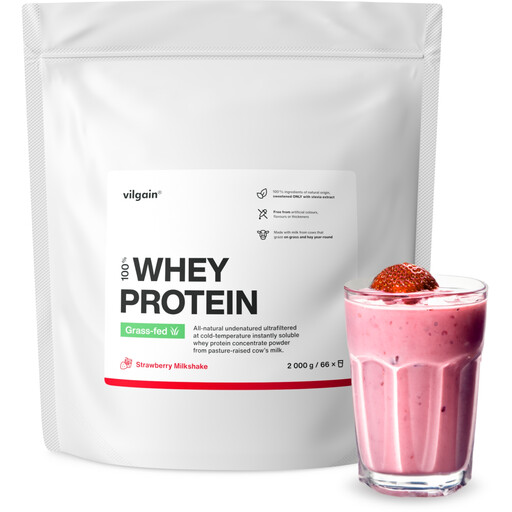
Why This Fits Their Persona: Suitable for adults who prioritise a stated grass-fed whey source, a large pack and a dessert-style flavour for repeated use.
Its stated figures show 24g protein, 118 kcal and 2g carbohydrate per 30g serving, rather than relying only on flavour or sourcing language.
2,000g pack; strawberry flavour; ingredients include whey concentrate, whey isolate, soy lecithin and stevia extract.
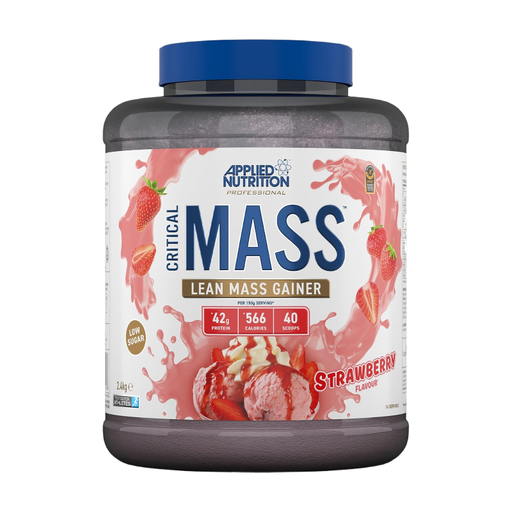
Why This Fits Their Persona: Designed for hard gainers and athletes who need a substantial calorie and carbohydrate contribution alongside protein.
The label clearly separates its large serving from ordinary whey: 150g provides 42g protein, 74.7g carbohydrate and 566 kcal.
Includes 3g creatine monohydrate per 150g serving, plus leucine, HMB, HICA and digestive enzyme ingredients.
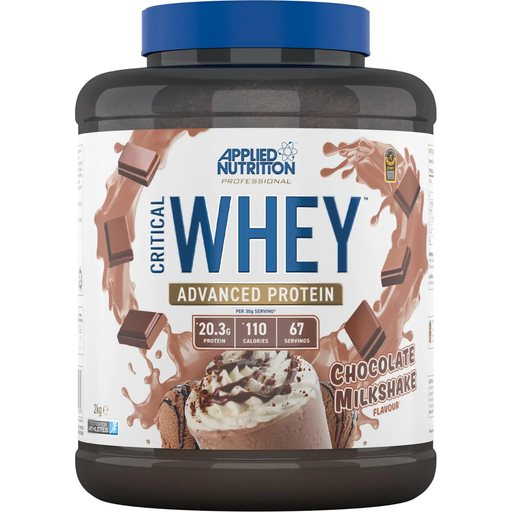
Why This Fits Their Persona: A practical choice for gym-goers who want a 2kg protein powder with a chocolate flavour and a multi-source whey blend.
The product provides a per-serving figure of 24g protein and 130 kcal, allowing portion control instead of assuming a gainer-sized serving.
Contains whey concentrate, isolate and hydrolysed whey; the supplied information lists 4.8g BCAAs per 33g serving.
We have compiled a complete, real-time list of products that fully satisfy these strict selection criteria and UK safety regulations.
There is no single required time. Many users choose a shake after training, with breakfast or between meals. The more important consideration is your total daily protein intake and whether the product fits your normal eating pattern.
It can be convenient for regular users, but compare the number of servings, protein per serving and storage requirements. A 2kg whey pack and a 2.4kg mass gainer can have very different serving counts because the gainer portions are much larger.
It should not automatically be treated as a meal replacement. Mass gainers provide calories, protein and carbohydrates, but a varied diet remains important. Use the product according to its label and your individual nutrition plan, particularly when managing calorie intake.