
24/7 全天候客户支持

免费退货

当日/次日达

品质保障

开启新人专享福利: 全场免邮 | 低至 2 折 | 免费试用 30 天 JoyPlus 会员
下载 Joybuy
Protein powder can make it easier to increase daily protein intake, support training recovery and add calories when meals alone are not convenient. However, choosing by flavour, tub size or a bold front-of-pack claim can lead to an unsuitable purchase.
The right option depends on your dietary requirements, calorie target, preferred texture and whether you need protein alone or a broader muscle-building supplement. This guide explains the key checks to make before buying protein powder in the UK.
A large tub does not automatically offer better value. Compare the grams of protein per serving and the number of servings, rather than relying only on the total weight. A 2kg protein powder may last longer, but the actual value depends on its serving size and protein percentage.
Also check whether a product lists protein per scoop or per 100g. Scoops can vary, so a kitchen scale is useful when accurate portioning matters.
Some formulas combine protein, creatine, carbohydrates, amino acids, enzymes and other additions. This can be useful for a specific purpose, but unnecessary if you only want a straightforward whey protein powder.
For example, a mass gainer powder is designed to provide significantly more calories and carbohydrates than a standard protein shake. It may be unsuitable for someone trying to control calorie intake. Conversely, a low-calorie whey product may not provide enough energy for a hard gainer.
Whey protein and clear whey protein are milk-based, so they are not suitable for people avoiding dairy or those with a milk allergy. Some whey products also contain soya lecithin and may be manufactured in facilities handling gluten, eggs or nuts.
For a vegan or dairy-free option, check that the formula uses plant proteins and that the label clearly states its free-from information. If you require a halal protein supplement, look for certification on the product packaging and listing rather than assuming an ingredient is compliant.
Look for a transparent nutrition panel. The products below provide approximately 20–24g protein per standard serving, while mass gainers can provide around 42g protein alongside substantial carbohydrates.
A standard protein shake may contain around 90–130 kcal per serving, making it suitable for topping up protein between meals or after training. A weight gain supplement can contain 450 kcal or more per serving, which may help people who struggle to create a calorie surplus through food.
Before buying, decide whether you need:
Check the full ingredient list, allergen statement, storage instructions and recommended dosage. Claims such as “fast absorbing”, “clean” or “premium” should not replace the nutrition panel.
Some listed products state that they are batch tested under programmes such as Informed Sport or Informed Protein. Treat this as a product-specific quality detail and check the current packaging for confirmation. Food supplements should complement a varied, balanced diet and healthy lifestyle, not replace either.
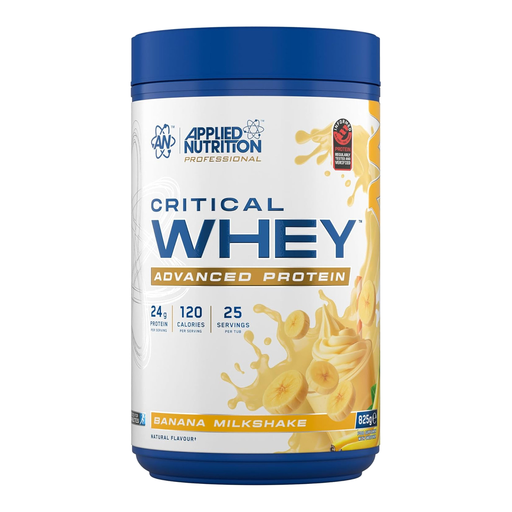
Why This Fits Their Persona: A manageable tub size and familiar banana flavour suit adults starting a regular shake routine, whether after the gym or between meals.
The listing states approximately 24g of protein per 30g serving, making the protein contribution easier to compare with other everyday whey products.
Whey concentrate, isolate and hydrolysed whey; banana flavour; mixes with water or milk.
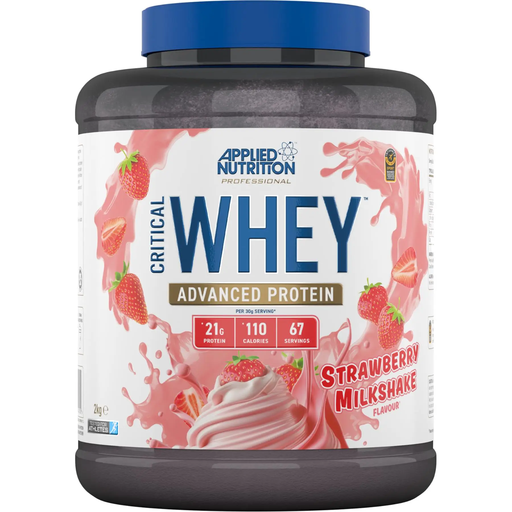
Why This Fits Their Persona: Regular gym-goers wanting a larger supply can choose a multi-source whey formula with a familiar strawberry milkshake profile.
The nutrition panel specifies 23.8g protein per 33g serving, rather than relying only on general muscle-growth language.
Contains whey isolate, concentrate, hydrolysed whey and milk protein concentrate; 2kg format; 122 kcal per stated serving.
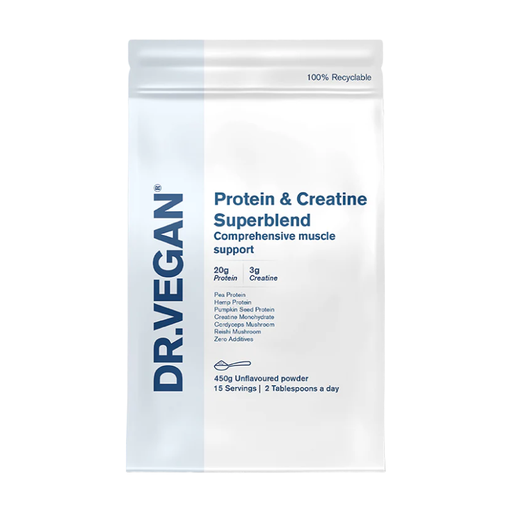
Why This Fits Their Persona: This unflavoured blend suits vegan adults who want protein and creatine in one powder without dairy, soya, gluten or added sweeteners.
The listed serving separates its ingredients clearly: 20g protein and 3g creatine monohydrate per 30g serving.
Pea, pumpkin seed and hemp proteins; free from dairy, soya, gluten and added sugar; suitable for mixing into smoothies or food.
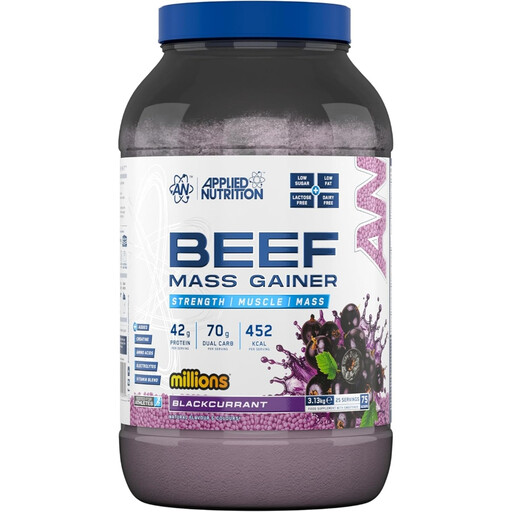
Why This Fits Their Persona: Hard gainers and active adults needing extra calories may prefer a large-format beef protein mass gainer that avoids dairy, gluten and soya.
The listing states 452 kcal, 70g carbohydrate and 42g protein per 125g serving, so its bulking role is clear.
Beef protein isolate; creatine, EAAs and electrolytes; listed as dairy-free, gluten-free, soya-free and halal certified.
We have compiled a complete, real-time list of products that fully satisfy these strict selection criteria and UK safety regulations.
You can take protein powder after exercise, between meals or at another convenient time. The important factor is your overall daily protein intake rather than relying on a narrow post-workout window. Follow the serving guidance on the label.
Clear whey can be easier to drink than a creamy shake and often has a relatively low calorie, fat and sugar profile. It is not automatically more suitable for fat loss: your total diet and calorie intake still matter. It also remains milk-based, so it is not suitable for dairy-free diets.
Shelf life varies by product and is shown on the packaging. After opening, keep the container tightly closed in a cool, dry place away from humidity and direct sunlight. Do not use the powder if its appearance, smell or texture has changed, and always follow the printed best-before date and storage instructions.