
24/7 全天候客户支持

免费退货

当日/次日达

品质保障

开启新人专享福利: 全场免邮 | 低至 2 折 | 免费试用 30 天 JoyPlus 会员
下载 Joybuy
Protein powder supplements can make it easier to increase daily protein intake, but choosing between whey, clear whey, plant-based blends, amino acids and mass gainers is not always straightforward. Packaging often highlights protein content while giving less attention to serving size, allergens, added carbohydrates or the actual suitability of the formula for your routine.
Before buying, UK shoppers should watch for three common pitfalls:
The right choice depends on your diet, training pattern, calorie requirements, taste preferences and tolerance of dairy or other allergens.
Start with the protein amount per serving, then check the serving weight. A powder providing 24g of protein in a 30g serving has a different protein concentration from one providing 20g in a 40g serving.
For example, several whey protein powder products in this range provide approximately 22–24g of protein per serving, while the Applied Nutrition BEEF-XP Clear Beef Protein Isolate provides 27.3g per 30g serving. These figures are useful for comparison, but they should always be checked against the current packaging.
Also consider the protein source:
A standard protein shake may fit a calorie-controlled diet, while a mass gainer is designed for people who need substantially more energy and carbohydrate. These products are not interchangeable.
The Applied Nutrition Critical Mass Professional, for example, lists approximately 42g of protein, 75g of carbohydrate and 566 kcal per 150g serving, alongside creatine and other added ingredients. That format may be more appropriate for adults with high calorie and protein needs than for someone simply adding a small protein boost to breakfast.
For weight management, compare calories and sugar rather than relying on terms such as “lean” or “diet”. Applied Nutrition Diet Whey lists 20g of protein and 100 kcal per 25g serving, with added ingredients including acetyl-L-carnitine, CLA powder and green tea extract. Review the full label and follow the stated directions.
Always read the label before use. Whey products contain milk, and many include soya lecithin. Plant-based products may contain soya, while products manufactured in shared facilities can carry trace-allergen warnings.
Vegetarians may consider whey products if their dietary choices allow dairy. Vegans should look for a clearly labelled plant-based protein powder or EAA supplement. MyProtein Impact EAA products contain all nine essential amino acids and are listed as suitable for vegetarians and vegans, but they are not a conventional high-protein shake.
If you compete, check whether the specific product or batch carries an applicable sports-nutrition certification. Certification details can change, so confirm them on the product label or manufacturer information rather than relying only on older advertising.
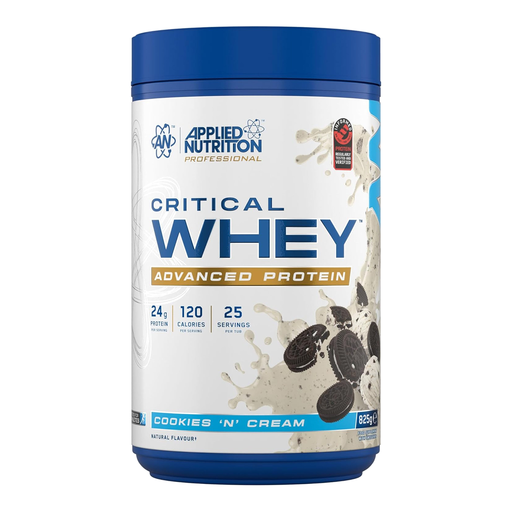
Why This Fits Their Persona: A conventional whey blend is a straightforward option for new gym-goers who want a shake after training or between meals without moving immediately to a complex formula.
The listed serving provides approximately 22–24g of protein, making the protein-to-serving comparison clear. It contains milk and soya, so the allergen information is not hidden.
Whey concentrate and isolate blend; approximately 90–120 kcal and 1–3g carbohydrate per serving, depending on flavour.
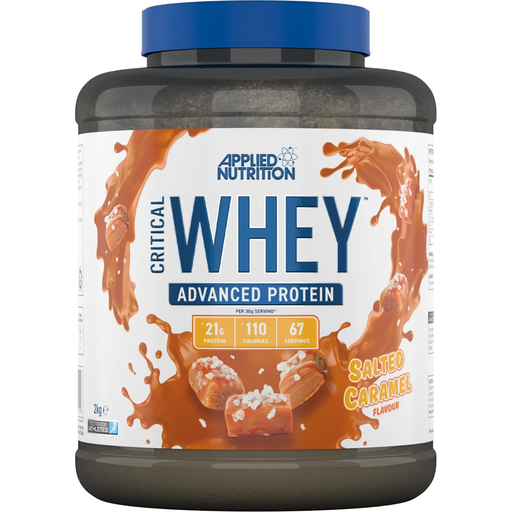
Why This Fits Their Persona: Regular trainers who already know they will use protein consistently may prefer a larger format with a multi-source whey blend.
The label gives a serving reference of 33g and approximately 24g protein, helping buyers assess actual supply rather than judging the tub size alone.
Lists whey concentrate, isolate and hydrolysate; provides 24g protein and 130 kcal per stated serving.
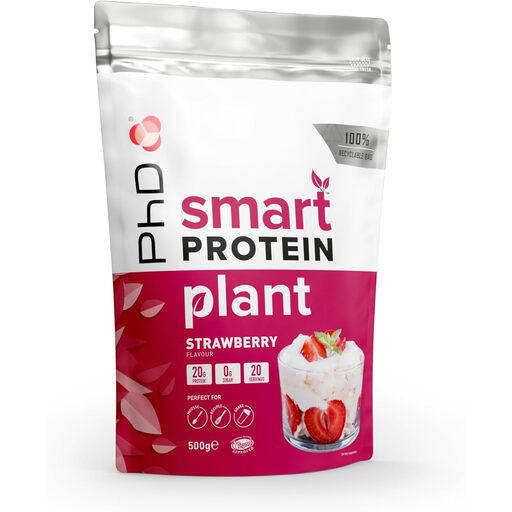
Why This Fits Their Persona: A practical choice for adults following plant-based or vegetarian diets who want to use protein in shakes, smoothies, baking or breakfast recipes.
It provides a stated 20g protein per 25g serving and clearly identifies soya as an allergen, allowing more informed dietary planning.
Pea and soya protein blend; 20g protein and 0g sugar per stated serving; includes vitamin B6, folic acid, vitamin B12, iron and zinc.
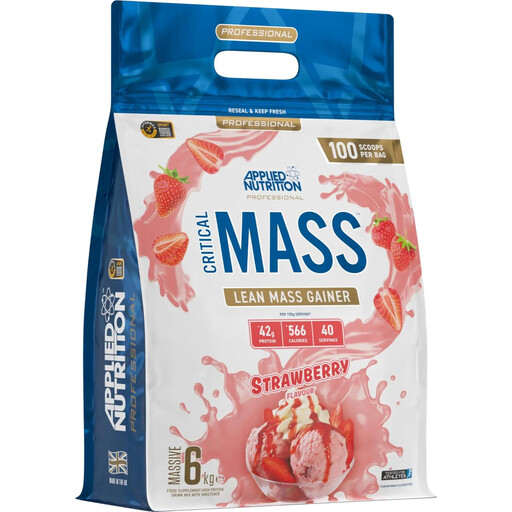
Why This Fits Their Persona: Designed for adults who struggle to meet high calorie and carbohydrate requirements through ordinary meals and protein shakes alone.
Its substantial 150g serving makes the calorie and carbohydrate commitment visible, reducing the risk of buying a mass gainer when only modest protein support is needed.
42g protein, 74.7g carbohydrate and 566 kcal per stated serving; also lists 3g creatine monohydrate.
We have compiled a complete, real-time list of products that fully satisfy these strict selection criteria and UK safety regulations.
It can be used as part of a varied, balanced diet when the product directions are followed. It should supplement food rather than replace a varied diet. Check the serving size, total daily protein intake and milk or soya allergen information.
Clear whey protein is designed to mix into a lighter, fruit-flavoured drink rather than a creamy shake. Products such as Applied Nutrition Clear Whey list approximately 21.27g protein per 25g serving. The formula still contains milk, so it is not suitable for people avoiding dairy unless the label states otherwise.
Not necessarily. A complete protein powder already supplies amino acids, while an EAA supplement provides the nine essential amino acids in a separate format. Compare the purpose, cost per serving and total protein contribution before adding both products to your routine. Always check the label and seek professional advice if you have a medical condition, take medication or follow a protein-restricted diet.