
24/7 全天候客户支持

免费退货

当日/次日达

品质保障

开启新人专享福利: 全场免邮 | 低至 2 折 | 免费试用 30 天 JoyPlus 会员
下载 Joybuy
Navigating the world of protein powder can feel like a workout in itself. With tubs promising everything from rapid muscle growth to effortless weight loss, it’s easy to feel overwhelmed by choice and marketing hype. As a UK consumer, you want a product that genuinely supports your fitness goals, whether that's building strength, recovering after a run or managing your weight, without paying for fillers or misleading claims.
This guide, from your Joybuy Product Recommendation Officer, cuts through the clutter. We'll highlight the common pitfalls that lead to wasted money and show you what truly matters when selecting a protein supplement, ensuring you find the right fit for your routine and budget.
Before you add anything to your basket, be aware of these frequent traps that catch out even savvy shoppers.
To make an informed choice, focus on these three key factors on the product label.
The source of your protein determines its digestion speed and suitability for your dietary needs.
Check the "per serving" nutritional information. Your goal dictates the ideal ratio.
A protein shake should be something you look forward to. Poor mixability leads to a lumpy, unpleasant texture. Look for products that use emulsifiers like sunflower lecithin (a soy-free option) for a smoother blend. Flavour is subjective, but reading user reviews can give you a good indication of whether a taste is rich and authentic or overly artificial.
We've matched some standout products to different user needs, helping you find a protein powder that aligns with your specific goals and lifestyle.
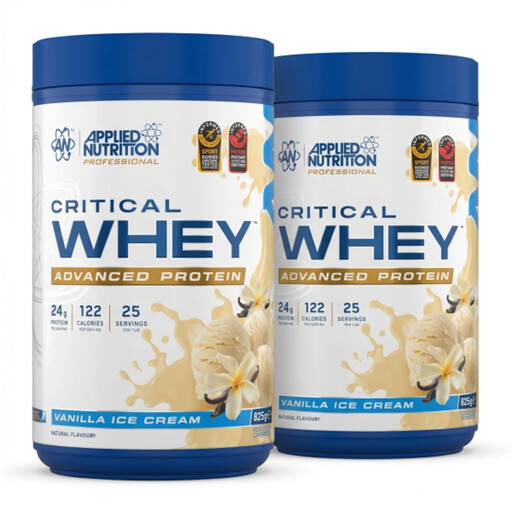
Why This Fits Their Persona: This is a versatile workhorse for anyone who hits the gym, goes for runs or simply wants to top up their daily protein. It's a solid choice for post-workout recovery without the premium price of a pure isolate.
It clearly states it's a blend of whey protein concentrate and whey isolate, offering transparency instead of hiding behind a vague "proprietary blend" label.
Provides a good balance of fast-absorbing isolate and cost-effective concentrate. It delivers a solid 22-24g of protein per serving to support muscle repair.
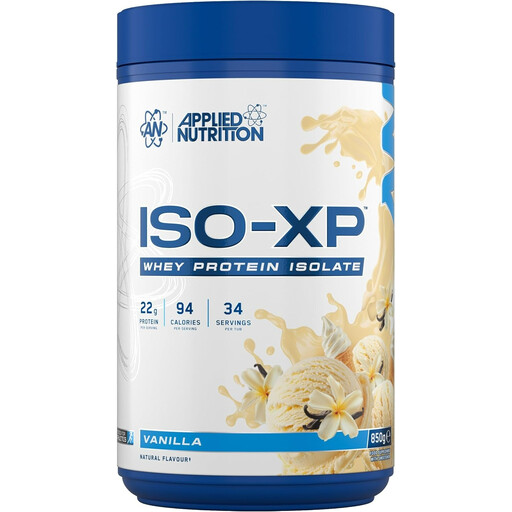
Why This Fits Their Persona: For those meticulously tracking their macros, this is an ideal choice. It delivers maximum protein with virtually no carbs or fat, making it perfect for a cutting phase or a low-carb lifestyle.
This is 100% whey protein isolate. There is no ambiguity or cheaper protein fillers. Its extremely low sugar and carb content makes it a genuinely lean choice.
Offers an exceptionally high protein content (90g per 100g) and is soy-free, using sunflower lecithin for smooth mixing. It's a clean, fast-absorbing protein source.
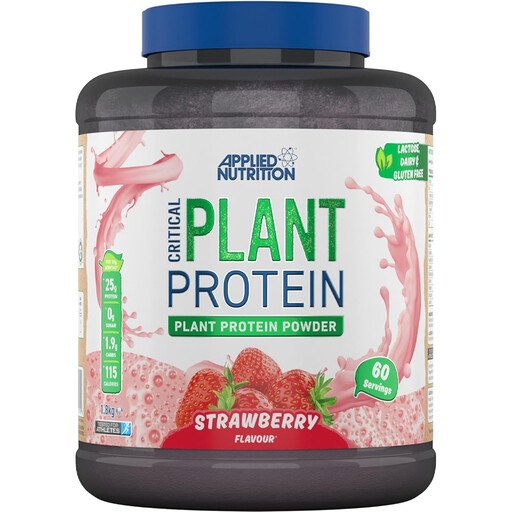
Why This Fits Their Persona: Vegans and vegetarians need a protein source that is both effective and dairy-free. This powder is specifically formulated to support muscle maintenance and growth using only plant-based ingredients.
It avoids the incomplete amino acid trap by using a blend of soya, pea and brown rice protein. This multi-source approach ensures a complete amino acid profile, comparable to whey.
Delivers a high protein content (24.6g per serving) and is low in fat and sugar. It's Halal certified and suitable for a wide range of dietary requirements.
We have compiled a complete, real-time list of products that fully satisfy these strict selection criteria and UK safety regulations.
The optimal time depends on your goal. For muscle recovery, consuming a protein shake within an hour after your workout is widely recommended. To help with satiety and meet daily protein goals, it can be taken between meals. A slow-digesting casein protein is an excellent option before bed to support muscle maintenance overnight.
Yes, this can happen. The most common cause is lactose in whey concentrate. If you experience bloating, switching to a whey isolate, which has very little lactose, or a dairy-free vegan protein powder can often resolve the issue. Some artificial sweeteners can also cause discomfort for sensitive individuals, so checking the full ingredients list is always a good idea.
Remember, it's a supplement to, not a replacement for, a balanced diet. A typical serving of 1-2 scoops (providing 20-40g of protein) per day is common for active individuals. Your total daily protein need depends on your body weight, activity level and fitness goals. It's always best to calculate your overall dietary intake and use a post-workout supplement to fill any gaps. Always follow the usage instructions on the product label.