
24/7 全天候客户支持

免费退货

当日/次日达

品质保障

开启新人专享福利: 全场免邮 | 低至 2 折 | 免费试用 30 天 JoyPlus 会员
下载 Joybuy
Protein powder can make it easier to increase daily protein intake, but choosing one is not simply a matter of picking the largest tub or the most impressive-looking label. UK shoppers often pay for ingredients they do not need, overlook allergens, or select a formula that does not suit their diet or training routine.
As the Joybuy Product Recommendation Officer, I focus on practical label details rather than promotional language. Here are the main buying pitfalls and the specifications worth checking before you order.
A large container may appear economical, but the useful comparison is cost per serving and protein per serving. A 2kg tub with a low protein percentage may provide less usable protein than a smaller, more concentrated product.
Check:
For example, some whey protein powders provide approximately 22–24g of protein per serving, while a mass gainer may provide substantially more calories and carbohydrates alongside its protein.
Ingredients such as creatine, CLA, green tea extract, glutamine, HMB, BCAAs or L-carnitine can make a product appear more advanced. However, their presence does not guarantee a particular body-composition or performance outcome.
Consider whether the ingredient matches your actual routine. A low-sugar weight management protein may suit calorie tracking, while a mass gainer is designed for people who deliberately need more calories. They serve different purposes and should not be judged by the same criteria.
Whey protein powder contains milk, and some products also contain soya, cereals containing gluten, eggs or nuts. A product described as plant-based may still contain soya, while a clear whey protein is usually still dairy-derived.
Always check the ingredient list, allergen statement and packaging supplied with the product. Vegetarian, vegan and dairy-free are not interchangeable descriptions.
Whey concentrate, whey isolate and hydrolysed whey are all milk-derived ingredients. Blends may combine two or more types to achieve a particular nutritional profile. Look for the actual protein quantity rather than relying on terms such as “premium” or “advanced”.
A plant-based protein powder may combine pea, soya and brown rice proteins. Combining sources can provide a broader amino acid profile than relying on one plant ingredient alone. Vegan protein powder can be useful for customers avoiding dairy, but it should still be compared by protein per serving, flavour, texture and sweetener content.
An EAA supplement contains the nine essential amino acids that the body cannot produce. A BCAA supplement focuses on leucine, isoleucine and valine. These products are not automatically a replacement for a complete protein powder, particularly if your main objective is to increase total dietary protein.
For a calorie-controlled diet, compare the full nutrition panel. A low-sugar protein powder may contain around 90–120 calories per serving, whereas a mass gainer can provide several hundred calories because it includes oats, maltodextrin or other carbohydrate sources.
A high-protein shake can work as a convenient snack, but it should fit into your overall food intake. Check whether the product contains added sugars, sweeteners, fibre and fat. “No added sugar” does not necessarily mean sugar-free, so read the per-serving figures.
Powder is usually economical and allows you to adjust the liquid volume. A ready-to-drink protein shake is more convenient for commuting, work or keeping in a gym bag, but it may cost more per serving and requires suitable storage after opening.
For powders, follow the stated water or milk volume. Some clear whey protein products need time for foam to settle. Weighing powder with kitchen scales is more accurate than relying on an approximate scoop.
Look for packaging that can be resealed securely and store it in a cool, dry place away from moisture. Protein powder does not last indefinitely after opening; follow the best-before information and discard it if the product develops an unusual smell, taste or texture.
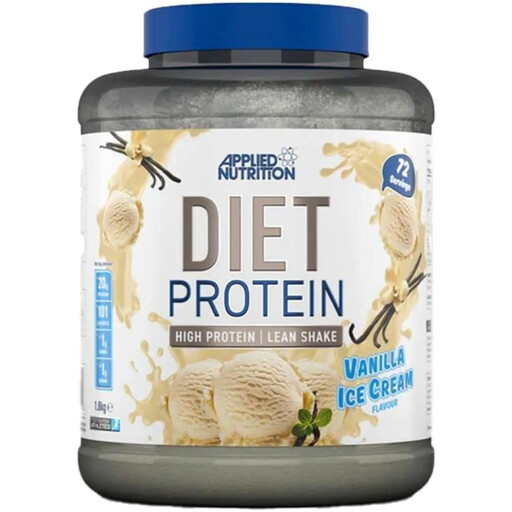
Why This Fits Their Persona: A large-format option for active UK adults who want a familiar whey shake and are tracking calories, carbohydrates and sugar.
The label gives a 25g serving with 20g protein, 100 calories and less than 1g carbohydrate, making the macro profile easier to assess than vague “lean” claims.
Whey concentrate and isolate blend; 1.8kg pack; vanilla flavour; contains milk and is listed as suitable for vegetarians.
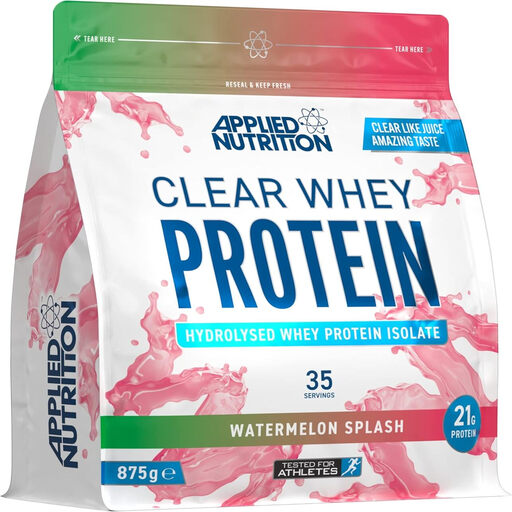
Why This Fits Their Persona: Suits shoppers who prefer a light, fruit-style drink rather than a creamy shake after a gym session or during the day.
Its nutrition panel states 21.27g protein, 90 calories and 0.24g sugar per 25g serving, allowing a direct comparison with creamy whey products.
95% hydrolysed whey protein; watermelon flavour; 875g pack; low fat and low sugar profile.
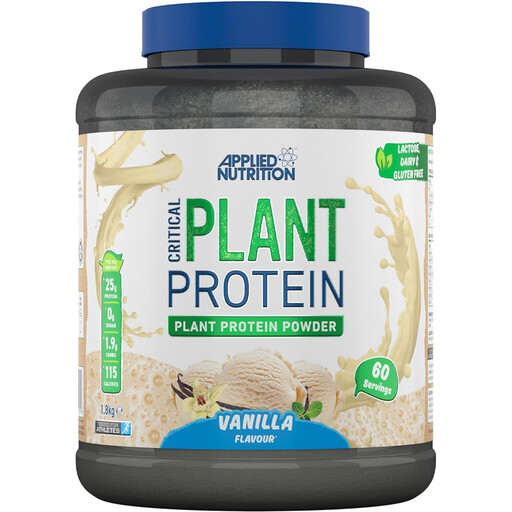
Why This Fits Their Persona: A substantial vegan-friendly option for adults who want a daily plant-based protein powder for shakes, porridge or smoothies.
The ingredient list clearly identifies soya, pea and brown rice protein rather than relying only on a plant-based front label.
25.3g protein per 30g serving; 84.3g protein per 100g; 1.8kg pack; contains soya.
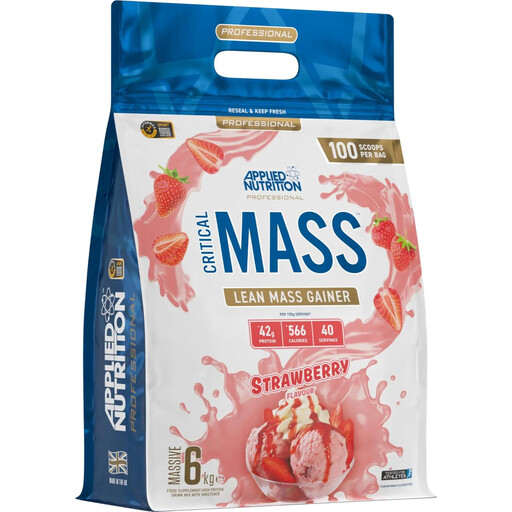
Why This Fits Their Persona: Designed for bodybuilders, hard gainers and active adults who need a higher-calorie shake alongside regular meals.
It is clearly a mass gainer, with 566 calories, 42g protein and approximately 75g carbohydrate per 150g serving, so it is not mistaken for a low-calorie shake.
6kg pack; includes creatine monohydrate and a protein blend; strawberry flavour; contains milk, wheat and soya.
We have compiled a complete, real-time list of products that fully satisfy these strict selection criteria and UK safety regulations.
No. Protein powder is a convenient food supplement, not a requirement after every session. Many people can meet their daily protein needs through ordinary foods. A shake may be useful when you have limited time, a long commute or difficulty preparing a meal. Follow the product serving guidance and include it within a varied, balanced diet.
Use the best-before information on the packaging and follow the storage instructions. Keep the container tightly closed in a cool, dry place. Moisture can cause clumping and affect texture. Do not use a product if its smell, taste or appearance has changed noticeably.
Usually not. Clear whey protein is generally made from milk-derived whey, even though it has a fruit-drink texture rather than a creamy one. Customers avoiding dairy or lactose should check the ingredients and allergen statement and consider a clearly labelled vegan protein powder or another non-dairy formulation.