What should you check?
Decide whether the item is supplying fruit or protein, then check its ingredients and how it will be eaten during the school day.
| Priority |
What to check |
Your needs |
| Protein |
Compare protein per 100g and the portion you intend to pack. Product information from ASDA, Tesco and Marks & Spencer lists 2.2g–3.0g per 100g for the plain dried-fruit examples examined. |
I need the lunch to include protein, so I will choose a separate protein food rather than rely on the dried fruit. |
| Ingredients and school rules |
Read the exact pack’s ingredients and allergy statement. Check the school’s packed-lunch policy before choosing a product containing peanuts or tree nuts. |
A fruit-and-nut snack only works for this lunchbox if its ingredients suit the child and the school permits it. |
| Meal timing |
Pack dried fruit to eat with lunch rather than for repeated between-meal snacking. Northern Care Alliance NHS Foundation Trust and Chelsea and Westminster Hospital NHS Foundation Trust advise limiting dried fruit between meals because it is sugary and can stick to teeth. |
I want a portion that can be eaten as part of lunch, not grazed on throughout the day. |
| Whole lunch |
Choose the protein food separately if needed. South Kesteven District Council’s packed-lunch guide gives meat, fish, eggs, beans and pulses as examples. |
Dried fruit can add fruit variety while another suitable item supplies the protein I am looking for. |
Relevant brand and retailer examples
These examples show why the type of product matters more than a familiar name: plain fruit and nut-containing mixes serve different roles in a lunchbox.
Whitworths
Whitworths has plain raisins and a separate peanut-based fruit-and-nut mix.
- ASDA lists Whitworths Fantastic Flame Raisins at 3.0g protein per 100g; Whitworths lists 13.7g per 100g for its 1DERS Energising Fruit and Nut Mix.
- The 1DERS mix contains peanuts, so check ingredient suitability and the school policy before packing it.
Sunsweet
Sunsweet Stoned Prunes are a plain dried-fruit option rather than a protein-led choice.
- Tesco describes the prunes as having no added sugar.
- Tesco lists 2.2g protein per 100g, so plan another food if the lunch needs a protein component.
Tesco
Tesco’s Whole Foods Luxury Fruit & Nut Mix is an example of a nut-containing alternative to plain dried fruit.
- Tesco lists 10.7g protein per 100g for this mix.
- Its product information says it may contain peanuts and other nuts; check the full pack and school rules.
Sainsbury's
Sainsbury's lists dried fruit as well as the nākd Cherry Fruit & Nut Protein Bar.
- Sainsbury's lists 6.2g protein per 45g bar for that specific nākd product.
- Its listed ingredients include peanuts and peanut butter. Check the exact bar rather than assuming all fruit bars have the same ingredients.
ASDA
ASDA lists both plain raisins and a cashew-and-raisin mix, which need different lunchbox checks.
- ASDA lists 2.7g protein per 100g for its Seedless Raisins and 10g per 100g for its Cashews & Raisins.
- The cashew-and-raisin product contains cashews; check allergens and school policy before choosing it.
M&S
M&S Mixed Dried Fruit is a mixed-fruit option for adding fruit variety to a lunch.
- Marks & Spencer lists its protein and sugars figures per 100g, allowing a direct label check.
- At 2.4g protein per 100g, this product should not replace a separate protein food when that is needed.
Joybuy product options
These options include dried figs for the fruit part of lunch, fruit-and-nut bars and other snack bars. They are not interchangeable: check whether you need fruit or protein, and whether each product’s ingredients fit the child and the school’s rules.
 No image available
Trek Salted Caramel Protein Flapjacks 3 x 50g
Consider this flapjack when you want a separate bar rather than dried fruit in the lunchbox. It is an oat-based product, not a dried-fruit snack; check the pack’s protein information, soya allergen statement and school policy.
View on Joybuy
 No image available
Nakd Peanut Delight 4 x 35g
This peanut-and-fruit bar is an option only where its ingredients suit the child and the school permits them. Check the exact pack for peanuts, hazelnuts and other allergen statements before putting a bar in a packed lunch.
View on Joybuy
 No image available
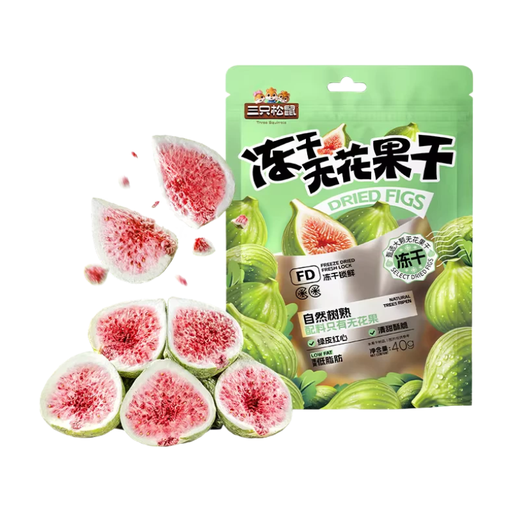
Three Squirrels Freeze-Dried Figs 40g
Choose these freeze-dried figs for the fruit part of lunch rather than relying on them for protein. Pack dried fruit to eat with the meal, following NHS dental advice, and choose a separate protein food if needed.
View on Joybuy
 No image available
Nature Valley Protein Peanut & Chocolate Bar 4 x 40g
This peanut-and-chocolate bar is a separate snack-bar option, not dried fruit. Check the exact pack for peanuts, milk, soya and other allergen statements, as well as the school’s policy, before packing it.
View on Joybuy
 No image available
Nakd Blueberry Muffin Raw Fruit & Nut Bars 4 x 35g
This fruit-and-nut bar offers a portioned alternative to loose dried fruit, but it should not be assumed to supply the lunch’s protein. Check the exact pack for cashews, almonds and other allergen statements, and confirm that the school permits nut-containing foods.
View on Joybuy
Questions about dried fruit in packed lunches
Can plain dried fruit supply the protein in a school packed lunch?
Do not rely on it as the main protein food. Product information from ASDA, Tesco and Marks & Spencer lists 2.2g–3.0g protein per 100g for the plain raisins, prunes and mixed fruit examined; choose a separate suitable protein food when protein is the aim.
Can dried fruit go in a school packed lunch?
It can be used as a fruit addition, subject to the individual school’s packed-lunch policy. Brighton & Hove City Council’s packed-lunch guidance describes policies monitored at school level, so check the rules that apply to your child’s school.
Are fruit-and-nut mixes suitable for every school?
No: suitability depends on the child’s allergies, the exact ingredients and the school’s rules. Examples listed by Whitworths and ASDA contain peanuts or cashews; read the pack’s full allergy statement before choosing one.
Does “no added sugar” make dried fruit suitable for break-time snacking?
That label does not change the advice about when to eat it. Northern Care Alliance NHS Foundation Trust advises giving dried fruit with meals rather than between them because it is sugary and can damage teeth.
What can provide protein alongside dried fruit?
Choose a separate food that suits the child and the school’s policy. South Kesteven District Council’s packed-lunch guide gives meat, fish, eggs, beans and pulses as examples; dried fruit can remain the fruit addition.


