
24/7 Customer Support

Free returns

Same-day & Next-day Delivery

Quality Guaranteed

Unlock Your Welcome Offers: FREE Delivery | Up to 80% OFF | Free 30-day JoyPlus trial
Download the APP
A protein shaker bottle may look like a simple purchase, but the wrong design can quickly become inconvenient. A lid that loosens in your gym bag, a narrow opening that traps powder and a capacity that does not match your serving size can turn a low-cost accessory into wasted money.
For UK gym-goers, athletes and busy supplement users, the practical choice depends less on branding and more on construction, mixing method, capacity and cleaning requirements. Here are the key points to check before buying, followed by product recommendations matched to different routines.
“Leak-proof” is useful only when the bottle has a properly closing screw lid, a secure flip cap and a seal that remains aligned. A snap closure that does not click firmly into place may allow liquid to escape during transport.
Before buying, check whether the product includes:
Even a well-designed shaker should be kept upright where possible, particularly when filled with liquid.
A protein shake mixer may use a wire ball, mesh grill, ribbon-style grid or an electric motor. These systems have different cleaning and usage requirements. A shaker bottle with mixing grid can help break up powder, but the liquid should still be added before the powder to reduce clumping.
A stainless steel protein shaker may include an internal mesh grid, while a plastic supplement shaker bottle may use a removable grill. Electric models require additional care around the motor base and charging components.
A 750ml shaker bottle provides more room for larger servings, water and meal replacement drinks, but it may be heavier when full. A 400ml bottle can be easier to carry for a single serving, although it offers less space for mixing.
Remember that the stated capacity may refer to the maximum fill level. Leave room for the powder and movement when shaking, and never fill beyond the marked line.
Stainless steel is a practical option for users who want a more robust bottle for frequent gym use. It is less likely to retain odours than some plastics and does not rely on a thin, flexible body. However, it may be heavier and usually cannot be placed in a microwave.
A BPA-free shaker bottle made from food-grade plastic can be lighter and easier to carry. Look for clearly stated materials, such as polypropylene, silicone or ABS, and check whether the bottle or lid is dishwasher safe. BPA-free does not automatically mean indestructible, so inspect plastic bottles regularly for cracks, warping or damaged threads.
A shaker bottle with mixing grid should have an insert that can be removed for washing. Mesh grills are straightforward and do not require batteries, while an electric shaker bottle uses a powered motor to mix the contents.
For any design:
Do not use hot or boiling liquids in a sealed shaker. Heat can create pressure inside the bottle and may cause liquid to escape when opened. Carbonated drinks are also unsuitable for many shaker designs.
A 700ml protein shaker bottle suits many standard gym and supplement routines, with enough space for liquid and powder without being excessively bulky. A 750ml protein shaker bottle may be more suitable for larger servings, mass gainers or users who prefer one bottle for mixing and hydration.
Measurement markings are helpful for consistent preparation. Also consider the spout size, grip, carry loop and whether the bottle fits your gym bag or car cup holder.
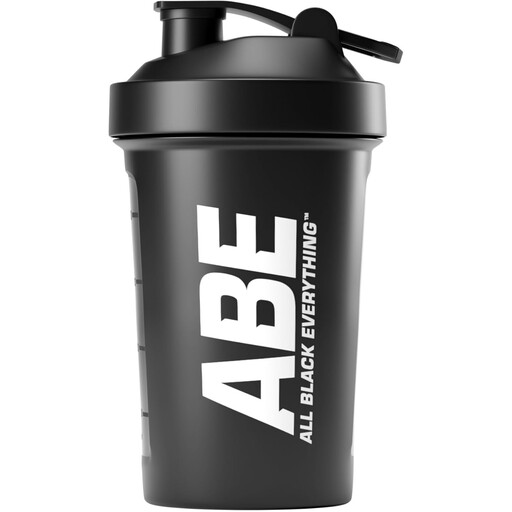
Why This Fits Their Persona: The compact 400ml capacity suits beginners mixing one serving of protein or pre-workout before commuting to a UK gym or office.
It provides clear markings, a screw-on lid, flip cap and mesh grill rather than relying on a basic bottle shape.
BPA-free plastic, measurement markings from 100ml to 400ml and a lightweight format.
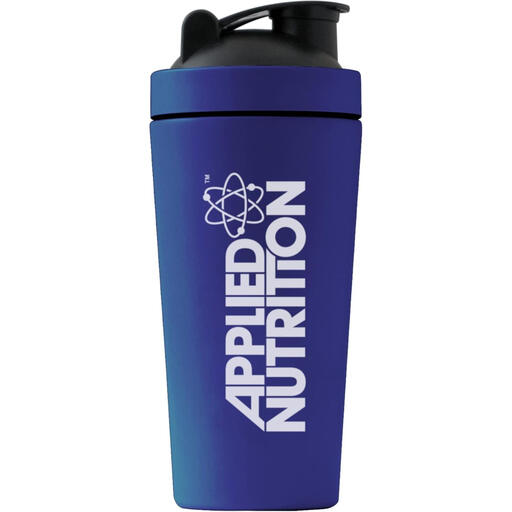
Why This Fits Their Persona: A stainless steel build and larger capacity suit frequent training, repeated daily use and users who prefer a more substantial bottle.
The screw lid, flip cap and internal mesh grid address common concerns around spills and powder clumps.
Stainless steel construction, 750ml capacity, internal measurements and a matte, scuff-resistant finish.
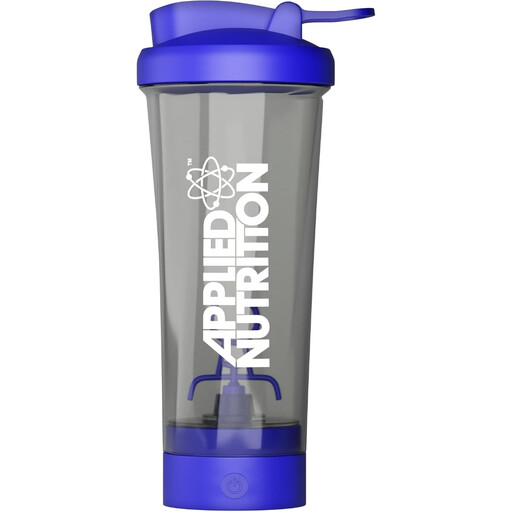
Why This Fits Their Persona: The powered format is convenient for busy users preparing supplements at work, while travelling or immediately before a session.
Its stated 6500rpm motor and 45-second mixing cycle provide a defined method rather than depending solely on vigorous shaking.
BPA-free food-grade materials, leak-proof cap and dishwasher-safe cup base; the motor base must not be submerged.
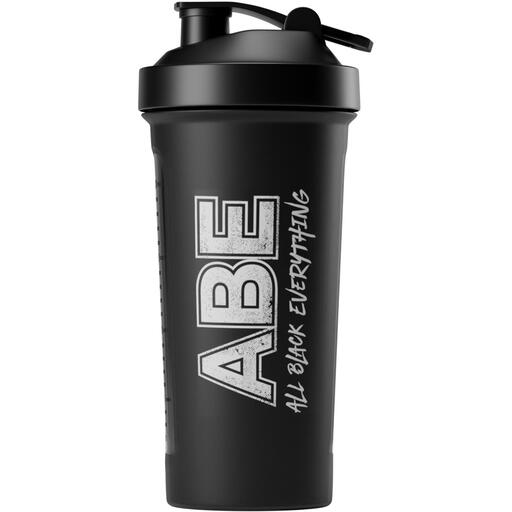
Why This Fits Their Persona: The 700ml size works for protein, pre-workout, collagen or daily hydration at the gym, home or office.
The internal mesh grill, screw lid and snap closure support mixing and transport, while measurement markings help avoid overfilling.
BPA-free plastic, markings from 100ml to 700ml and dishwasher-safe construction.
We have compiled a complete, real-time list of products that fully satisfy these strict selection criteria and UK safety regulations.
For reliable day-to-day use, follow the instructions supplied with the specific product. In general, add cold liquid before powder, close the lid firmly and check that the cap is fully secured. Rinse the bottle soon after drinking, as dried protein residue can be harder to remove and may create lingering odours.
Where permitted, use the dishwasher for the bottle and lid. Electric models need separate treatment: keep the motor base dry and avoid submerging it. Store a clean shaker with the lid removed so air can circulate. Replace the bottle if you notice cracks, damaged seals, warped plastic or threads that no longer close correctly.
Stainless steel is a suitable option for users prioritising a robust feel and odour resistance. BPA-free plastic is generally lighter and may be more convenient for carrying in a gym bag. The right choice depends on weight, capacity, cleaning preferences and how frequently the bottle will be used.
There is no universal lifespan. Regularly inspect the lid, seal, mixing grid and bottle body. A shaker may remain usable for a long period when cleaned properly, but visible damage, persistent odour, leaking or a loose closure are sensible reasons to replace it.
Do not assume that a shaker is suitable for hot liquids. The products covered here state that hot or warm fluids should not be used. Heat and shaking can increase internal pressure, creating a risk when the lid is opened. Use cold or room-temperature drinks unless the product label specifically states otherwise.