
24/7 Customer Support

Free returns

Same-day & Next-day Delivery

Quality Guaranteed

Unlock Your Welcome Offers: FREE Delivery | Up to 80% OFF | Free 30-day JoyPlus trial
Download the APP
A protein shaker bottle should make supplement preparation easier, not create another chore. Yet many gym-goers discover problems only after buying: powder settles at the bottom, lids loosen in a gym bag or narrow openings make cleaning awkward.
Before choosing a protein shake bottle, look beyond colour and branding. The practical differences usually come down to capacity, mixing support, material and lid construction. These details affect whether a shaker suits a short commute, a long training session or daily use at home and work.
A compact shaker may look convenient, but 400 ml can be restrictive if you prepare a large protein serving, pre-workout drink or mass-gainer mix. On the other hand, a 750 ml shaker bottle may take up more space than necessary for a quick drink after a short session.
Check the bottle’s usable measurement markings, rather than relying only on the headline capacity. Powder and liquid need room to move when shaken, so filling right to the maximum line may not provide the smoothest mixing.
A shaker bottle with mesh grille is designed to break up powder as the liquid moves through or around the insert. However, the shape and placement of the grille matter. Some bottles use a flat mesh, while others use a cone-shaped or snap-fit agitator.
Mixing support can reduce clumps, but it does not replace correct preparation. Add liquid first, then powder, secure the lid and shake promptly. Dense powders may still need a longer shake or additional liquid.
A leak-proof shaker bottle should have a properly tightened screw lid, a secure drinking cap and an intact seal. Marketing descriptions alone cannot tell you whether a particular lid will suit your daily routine.
Look for a screw-on lid, a firm flip cap and a carry loop or attachment point if the bottle will travel in a backpack or gym bag. Inspect seals regularly and stop using the bottle if the lid, thread or container becomes cracked or misaligned.
A BPA-free shaker bottle made from lightweight plastic is easy to carry and often practical for commuting. It can also make the contents visible, which is useful when checking liquid levels. Confirm the product listing clearly identifies the material and follow its cleaning and heat warnings.
A stainless steel protein shaker offers a more rigid construction and an opaque finish. It may be preferable for frequent gym use or anyone wanting to reduce reliance on disposable drink containers. Stainless steel bottles can be heavier and you cannot see the remaining liquid without measurement markings.
Do not use any sealed shaker with hot or boiling liquids unless the manufacturer specifically permits it. The supplied product information for the options below warns against hot or warm fluids because pressure can build inside the container.
A 700 ml protein shaker bottle often provides a practical balance between portability and mixing space. If you regularly prepare thicker drinks, prioritise extra room rather than selecting a bottle that is only just large enough.
A mixing support shaker bottle should be straightforward to assemble and rinse. Mesh grilles, ribbon-style inserts and snap-fit agitators are all intended to help separate powder during shaking. Check whether the insert is removable, as residue can collect around it.
Dishwasher suitability varies by component. Some products are listed as dishwasher safe, while others recommend hand washing to preserve the finish. Follow the product instructions, keep the lid open while drying and store the bottle clean and dry to reduce lingering odours.
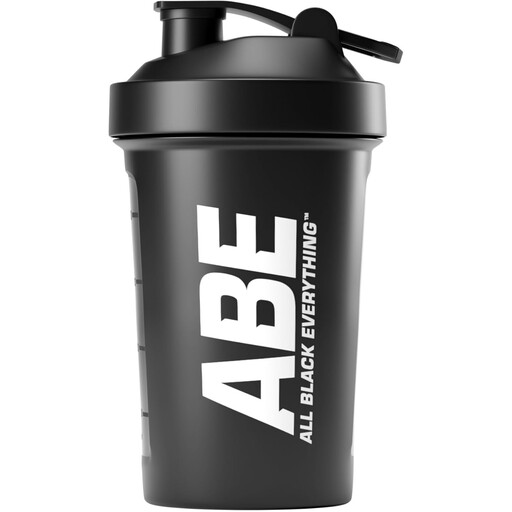
Why This Fits Their Persona: The 400 ml capacity is compact for newcomers who want a straightforward supplement shaker cup for gym sessions, commuting or keeping in a desk drawer.
Clear markings from 100 ml to 400 ml and an internal mesh grille address inaccurate mixing and powder clumps.
BPA-free plastic construction, screw-on lid, flip-top cap and wide spout.
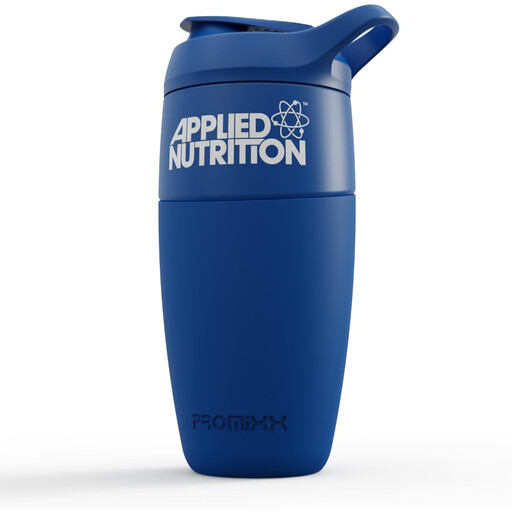
Why This Fits Their Persona: This 700 ml stainless steel option suits UK users who want a reusable bottle for training, commuting and daily hydration without a lightweight plastic feel.
The listed leakproof sports lid with carry loop is designed for transport, while the snap-fit agitator avoids a loose mesh ball.
Stainless steel body, silicone grip and silent snap-fit agitator.
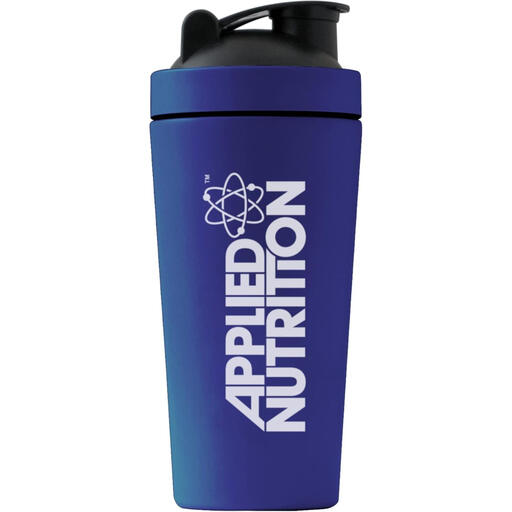
Why This Fits Their Persona: A 750 ml capacity and stainless steel construction suit frequent gym users preparing larger shakes or carrying one bottle through a longer day.
The listed screw-on lid, flip cap, internal mesh grille and measurement markings address leakage, clumping and imprecise portions.
Heavy-duty stainless steel body, matte finish and internal measurements up to 750 ml.
Never use a sealed protein shaker bottle for hot liquids, carbonated drinks or microwave heating unless the product instructions specifically allow it. Check the label and supplied directions before use, particularly if the bottle will be used with a supplement that has allergen information.
We have compiled a complete, real-time list of products that fully satisfy these strict selection criteria and UK safety regulations.
Use the measurement markings and the supplement instructions as a guide. Leave enough space for the liquid and powder to move during shaking. A 400 ml bottle suits smaller servings, while 700 ml to 750 ml models provide more room for larger shakes or hydration.
Lifespan depends on cleaning, frequency of use and how the bottle is stored. Regularly inspect the lid, seal, thread and container for cracks or distortion. Replacing a damaged component or bottle is more practical than continuing to use one that no longer closes securely.
It can be suitable if you prioritise a rigid, reusable construction and do not need to see the liquid level. Plastic models are generally lighter and may offer dishwasher-safe convenience. Compare capacity, lid design, mixing support and care instructions alongside the material.