
24/7 全天候客户支持

免费退货

当日/次日达

品质保障

开启新人专享福利: 全场免邮 | 低至 2 折 | 免费试用 30 天 JoyPlus 会员
下载 Joybuy
Choosing between protein shakes and powders can seem straightforward until you compare serving sizes, protein sources, sweeteners, flavours and pack formats. A low price may hide a small tub, while a large protein figure may come with more calories, sugars or ingredients than your diet allows.
This guide from the Joybuy Product Recommendation Officer sets out the practical checks UK shoppers should make before buying. Whether you need a whey protein powder for post-workout use, a ready-to-drink protein shake for commuting or a low-calorie protein supplement for weight management, the label matters more than the front-of-pack claims.
A tub may advertise a high percentage of protein per 100g, while the actual serving provides less than expected. Compare products using:
For example, a 25g serving of Applied Nutrition ISO-XP provides 22.5g of protein, while a 30g serving of Applied Nutrition Beef-XP provides 27.2g. These figures are useful only when considered alongside serving size and your daily nutrition target.
Weight management protein products can be lower in calories and carbohydrates, but they do not replace a balanced diet or automatically cause fat loss. Some formulas include ingredients such as green tea extract, CLA or L-carnitine. These should be assessed as part of the complete ingredient and nutrition panel, not treated as guaranteed fat-burning solutions.
A protein shake can be a convenient snack or help you reach a planned protein intake. It should not be assumed to be a complete meal replacement unless the product label specifically provides suitable nutritional information.
Many popular protein shakes contain milk, and some powders contain soya lecithin. A clear whey protein may have a lighter texture but still contain milk-derived protein. Beef protein powder may suit shoppers looking for a non-dairy protein source, but it remains important to check the full ingredients list and manufacturing information.
Always read the current label before purchase, particularly if you have allergies, take medication, are pregnant or breastfeeding or have a medical condition. Product formulations and warnings can change.
Whey protein concentrate generally contains more of the naturally occurring dairy components than whey protein isolate. Whey protein isolate is filtered to provide a higher protein proportion with lower quantities of fat and carbohydrates in many formulations. Applied Nutrition ISO-XP, for example, lists 22.5g of protein, 0.1g of carbohydrate and 0.4g of fat per 25g serving in its chocolate version.
A protein blend may combine concentrate and isolate, as seen in Applied Nutrition Critical Whey and Diet Whey. This can be practical for everyday shakes, especially when taste, texture and price are more important than achieving the lowest possible fat or carbohydrate content.
For a post-workout protein or daily top-up, check whether the product provides a meaningful amount of protein without adding calories you have not budgeted for. The products supplied here range from approximately 20g to 30g of protein per serving:
Also check sugar and fat. A low-calorie protein supplement may be useful for calorie tracking, but a higher-calorie shake can still fit a diet when the whole day’s intake is considered.
Powder is usually easier to store and allows you to vary the liquid volume, but you need a shaker and access to water or milk. A ready-to-drink protein shake requires no preparation, making it suitable for work, travel or keeping in a gym bag.
Check storage instructions carefully. Powder should generally be kept sealed in a cool, dry place. Bottled high-protein drinks should be stored according to the packaging, and opened products commonly need refrigeration and prompt consumption.
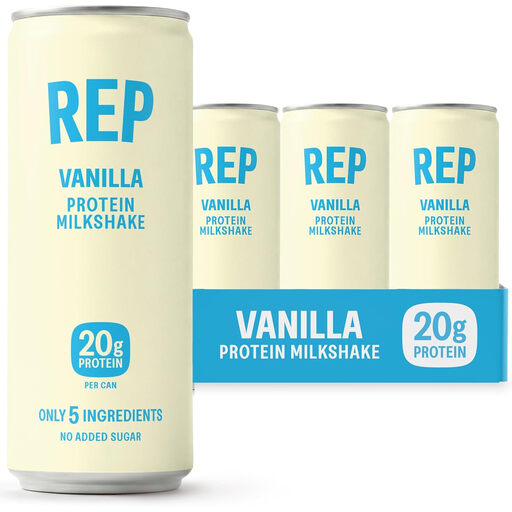
Why This Fits Their Persona: A simple multipack for adults who want a ready-to-drink protein shake without buying a large tub or carrying a shaker to work or the gym.
The label states 20.3g of protein and 150 calories per 250ml can, making the serving easier to compare than vague “high-protein” wording.
Five listed ingredients; suitable for vegetarians; no artificial sweeteners, flavours, preservatives or stabilisers according to the product information.
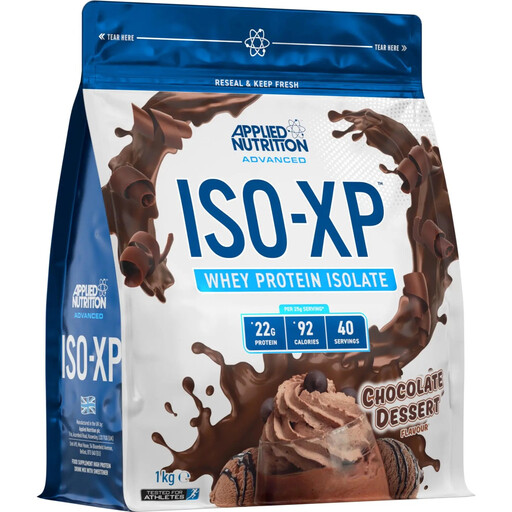
Why This Fits Their Persona: Suitable for gym-goers and athletes who track macros closely and prefer a concentrated whey protein isolate in powder form.
Its nutrition panel gives per-serving amounts rather than relying only on front-label protein percentages.
22.5g protein per 25g serving; 0.4g fat and 0.1g carbohydrate per serving in the listed chocolate formulation.
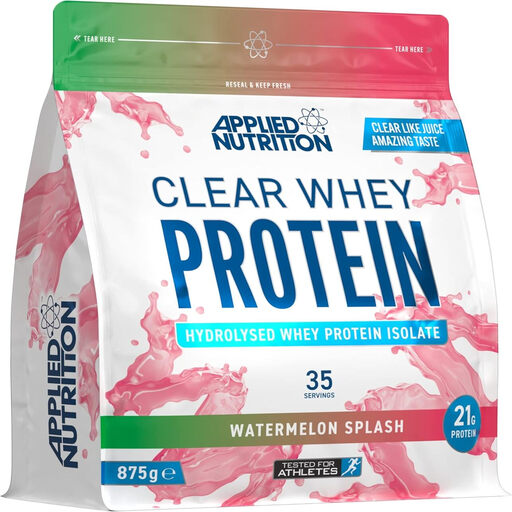
Why This Fits Their Persona: A practical alternative for people who dislike thick, creamy shakes and prefer a fruit-style drink after exercise or during the day.
The product is clearly positioned as a clear whey drink, so shoppers can distinguish its texture from a traditional milkshake-style powder.
21.27g protein and approximately 90 calories per 25g serving; watermelon flavour and a 95% hydrolysed whey protein ingredient listed.
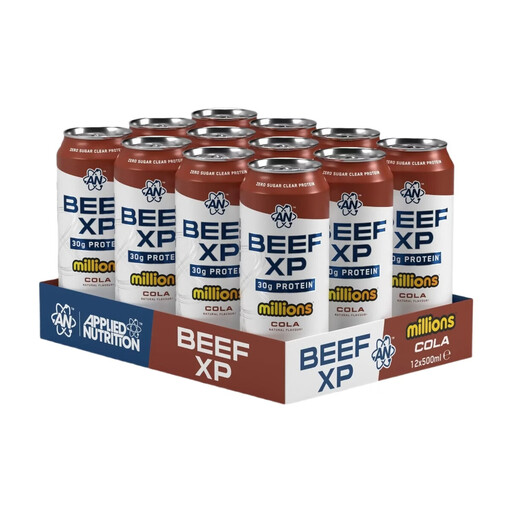
Why This Fits Their Persona: The multipack suits frequent training schedules, while the beef protein source offers an alternative to milk-based ready-to-drink products.
The 500ml bottle and stated 30g protein content make the actual serving clear, while the ingredients identify beef protein isolate rather than whey.
30g protein, 0g fat and approximately 136 calories per bottle in the mixed berry version; ready-to-drink format.
We have compiled a complete, real-time list of products that fully satisfy these strict selection criteria and UK safety regulations.
A protein shake can be a convenient way to increase protein intake after resistance training or other exercise. The overall daily diet, total protein intake and training routine matter more than relying on a precise time window. Choose a product whose calories, allergens and serving size fit your plan.
Shelf life depends on the product’s best-before date, storage conditions and handling. Keep the container tightly closed in a cool, dry place, use a dry scoop and avoid introducing moisture. Do not use powder if its appearance, smell or texture has changed significantly. For ready-to-drink products, follow the label instructions after opening and refrigerate where stated.
Powder is often easier to compare by cost per serving, particularly in 1kg or 1.8kg tubs. Ready-to-drink formats usually offer greater convenience but may cost more per bottle. Calculate the price per stated serving, then factor in whether you need a shaker, milk or refrigeration. This gives a more realistic comparison when selecting protein shakes and powders in the UK.