
24/7 全天候客户支持

免费退货

当日/次日达

品质保障

开启新人专享福利: 全场免邮 | 低至 2 折 | 免费试用 30 天 JoyPlus 会员
下载 Joybuy
Protein shakes and meal replacement drinks can simplify busy mornings, gym routines and calorie-controlled eating. However, a convenient bottle is not automatically a suitable meal replacement, and a product labelled “protein drink” may contain less protein than expected.
The practical approach is to compare the nutrition panel, serving format, ingredients and warnings rather than relying on flavour names or promotional wording. The following guide explains the main buying traps and highlights suitable options for different routines.
Some milk-based nutritional drinks are designed mainly for energy, flavour and general nourishment. They may contain added vitamins or milk ingredients but provide relatively little protein.
For example, the LIGHT UP Sesame Composite Protein Drink provides 1.6g of protein per 100ml, or approximately 3.8g per 235ml bottle. Its black sesame flavour and compact format may suit a snack, but it should not be compared directly with a ready-to-drink protein shake offering 20g or more per bottle.
Similarly, Dunn’s River Nurishment Original Milk Drink Chocolate Flavour provides 10g of protein per 400ml bottle, while its banana and vanilla formats provide around 20g per 400g can. Check the complete serving figure, not only the product title.
Meal replacement shakes are formulated for a specific dietary use. SlimFast products provide approximately 204–227 calories per prepared serving, along with protein, fibre, vitamins and minerals. They are intended to replace selected meals within an energy-restricted diet, rather than to replace every meal or act as the sole source of nutrition.
A ready-to-drink protein shake, by contrast, may contain 126–240 calories and a high protein level but not the broader nutritional balance expected from a meal replacement. Using the wrong type can leave you buying an unsuitable product for your goal.
Many popular high-protein drinks contain milk, and some meal replacement powders also contain soya. Nut and sesame drinks can include multiple allergens, such as tree nuts, sesame, milk and soya.
Powdered products also require accurate preparation. Mixing with water instead of the stated quantity of milk can change the calorie, protein and micronutrient values. Always check the latest packaging, especially if you have an allergy or intolerance.
For protein supplementation, compare grams of protein per bottle or prepared serving. Current options range from approximately 15g in some meal replacement shakes to 20g, 26g and 42g in selected ready-to-drink protein shakes.
A 330ml bottle may be easier to consume after exercise, while a 500ml bottle offering 42g of protein is a larger serving that may suit people with higher daily protein requirements. More is not automatically more suitable: consider your normal diet, serving size and recommended daily intake.
If you are comparing low-calorie protein drinks or weight management shakes, look at calories per complete serving. A powder’s nutrition panel may be listed per 100ml, while the actual serving includes milk, so the prepared value is the figure to use.
Fibre can help a meal replacement feel more substantial. SlimFast Strawberry provides 4g of fibre per prepared serving, while the chocolate format lists 5.1g. Some high-protein drinks provide fibre but are not intended to replace a full meal.
Also compare sugars rather than assuming “chocolate protein shake”, “vanilla protein shake” or “strawberry protein shake” means the same formula. Applied Nutrition’s White Chocolate flavour lists 126 calories and 20.2g protein per 330ml bottle, whereas Dunn’s River chocolate milk drink lists 320 calories and 54g of sugars per 400ml bottle.
Choose between:
Check whether a product needs refrigeration after opening, how quickly it must be consumed and whether the pack size suits your routine. A multi-pack can be practical, but only if you enjoy the flavour and can use the drinks before their stated date.
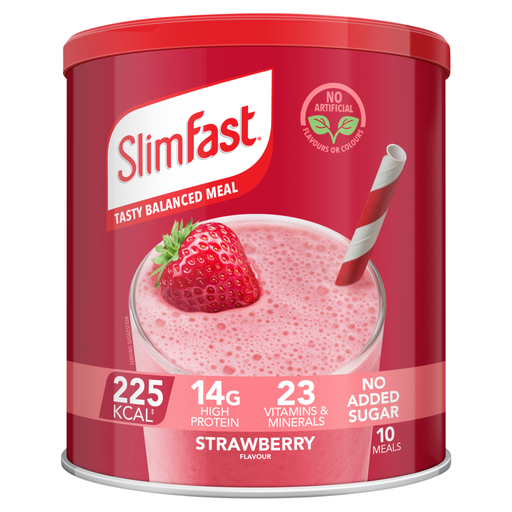
Why This Fits Their Persona: A 365g tub provides ten measured servings, making it a practical starting point for adults comparing portion-controlled breakfasts or lunches.
The serving is specified as 36.5g powder with 250ml skimmed milk, so shoppers can compare the complete 230-calorie serving rather than powder alone.
15g protein, 4g fibre and a vitamin and mineral blend per prepared serving; suitable for vegetarians according to the product details.
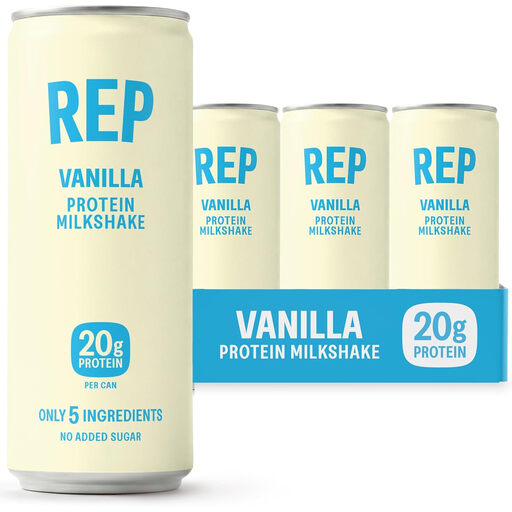
Why This Fits Their Persona: The compact 250ml can suits shoppers who prefer a short ingredient list and a lighter portion for work, commuting or between meals.
The product lists five ingredients and clearly states 20.3g protein and 150 calories per can, allowing direct comparison.
Milk-based, gluten-free and suitable for vegetarians according to the listing; no preparation is required.
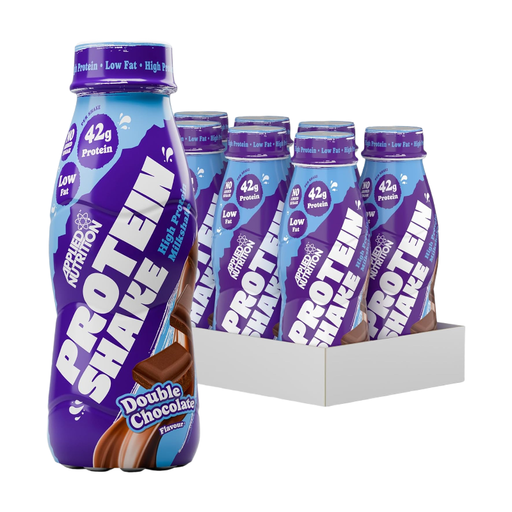
Why This Fits Their Persona: The 500ml bottle is aimed at adults wanting a larger post-workout protein drink or substantial on-the-go nutrition.
Its nutrition panel gives the full 500ml serving values, avoiding confusion caused by comparing only the per-100ml figures.
42g protein and 240 calories per bottle; ready to drink, low in fat and contains no added sugar according to the listing.
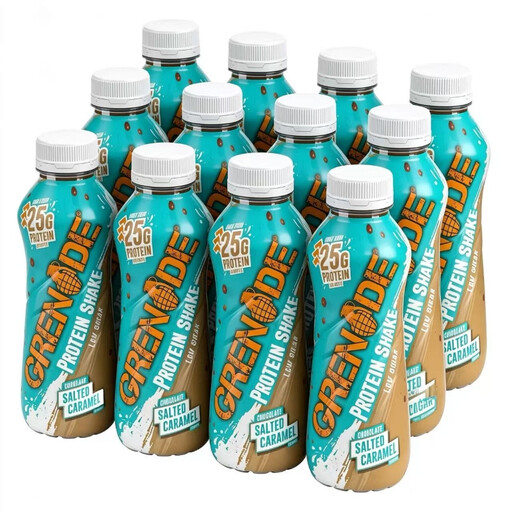
Why This Fits Their Persona: A 330ml ready-to-drink format works for gym bags, office fridges and adults who prioritise a dessert-style salted caramel flavour.
The listing specifies 26g protein per 330ml bottle, rather than leaving shoppers to estimate the amount from the pack size.
Ready to drink with no mixing; the detailed listing records 26g protein per bottle and milk as an allergen.
We have compiled a complete, real-time list of products that fully satisfy these strict selection criteria and UK safety regulations.
They can be convenient as part of breakfast, but suitability depends on the product. A high-protein drink may provide protein without the fibre, vitamins and minerals associated with a meal replacement. If replacing breakfast regularly, choose a product labelled and formulated for meal replacement, and follow the serving instructions.
Follow the label first. Many unopened products can be stored in a cool, dry place, while opened bottles should be refrigerated and consumed within 12 or 24 hours. Do not use packaging that is damaged, swollen or past its stated date.
No. Product warnings commonly exclude children, and some advise pregnant or breastfeeding women to seek medical advice before use. Milk and soya are frequent allergens, while nut and sesame drinks may contain additional allergens. Read the current label and seek appropriate healthcare advice if you have a medical condition, take medication or have dietary restrictions.