For a rushed breakfast, compare protein per individual bar, then check fibre, sugars and allergens rather than choosing by the word “protein” on the wrapper. Nature Valley Protein Peanut & Chocolate lists about 10g protein and 4g fibre per 40g bar; TREK’s standard Protein Flapjacks offer a plant-based alternative, while nākd Protein Peanut Butter is listed as having no added sugar. Those differences matter only if the exact bar also meets your dietary requirements and the role you need it to play before your next meal.
Who might choose a breakfast bar?
The useful starting point is what the bar needs to do on a busy morning, not whether its packaging calls it a breakfast or protein snack.
Commuters needing a portable stopgap
An individually wrapped bar is easy to carry when breakfast is delayed. Compare the protein and fibre in one bar, then read its sugars and allergen information before deciding whether it suits the time until your next meal.
Plant-based or gluten-free shoppers
TREK describes its standard Protein Flapjacks as plant-based, with 9g protein per bar. A DDC Foods listing describes nākd Protein Peanut Butter as vegan, dairy-free and gluten-free. Check the particular flavour and pack for ingredients and allergen warnings.
Shoppers looking for no added sugar
The DDC Foods listing describes nākd Protein Peanut Butter as having no added sugar, but that does not mean it contains no sugars. Compare the “of which sugars” figure on the nutrition panel as well as the ingredient list.
What should you check before buying?
Start with the figures for one wrapped bar, then check whether its ingredients and allergen declaration fit your requirements. The same front-of-pack description can cover bars with different serving sizes and recipes.
| Priority | What to check | Your needs |
|---|
| Protein per bar |
Read grams per individual bar and its weight; compare the same serving basis. Nature Valley UK lists about 10g in a 40g Peanut & Chocolate bar, TREK states 9g for its standard Protein Flapjacks, and DDC Foods lists 7g for a 45g nākd Protein Peanut Butter bar. |
If breakfast is delayed, I want to know what one bar provides, not just see protein mentioned on the front. |
| Fibre |
Look for a fibre figure per bar rather than assuming oats or nuts establish the amount. Nature Valley UK lists about 4g fibre in its 40g Peanut & Chocolate bar. |
I want to compare fibre alongside protein when choosing a bar to carry for the morning. |
| Sugars and saturates |
Compare sugars and saturated fat per bar, alongside the per 100g figures if bar sizes differ. Nature Valley’s Peanut & Chocolate information lists about 6.9g sugars and 3.0g saturates per 40g bar; the DDC Foods listing gives 26.8g sugars per 100g for nākd Protein Peanut Butter despite its no-added-sugar description. |
A no-added-sugar or protein message is not enough for me to judge the rest of the nutrition panel. |
| Dietary fit |
Check vegan, dairy-free or gluten-free statements for the exact flavour. Read the ingredients and any “may contain” warning: the researched Nature Valley Peanut & Chocolate bar contains peanuts, soya and milk and may contain tree nuts. |
My dietary requirements or allergies need to be compatible with the actual bar I carry, not just its brand’s wider range. |
| Pack and portion |
Check how many bars are in the pack and the weight of each one. Use the per-bar serving on the current pack when comparing nutrition. |
For a rushed departure, I want a bar I can take individually and a clear idea of what that one portion contains. |
Common buying mistakes
-
Treating every “protein” bar as equivalent
Protein figures differ by product and serving size. Nature Valley UK lists about 10g per Peanut & Chocolate bar, TREK describes its standard Protein Flapjacks as providing 9g, and DDC Foods lists 7g for nākd Protein Peanut Butter.
Compare the grams in the exact bar you intend to buy. If a particular nutrition claim matters to you, check the wording and nutrition panel on its current pack rather than transferring a claim from another flavour or range.
-
Reading “no added sugar” as “no sugars”
Added sugar and total sugars describe different things. DDC Foods lists nākd Protein Peanut Butter as having no added sugar while giving a total sugars figure of 26.8g per 100g.
Read the “of which sugars” line and the serving size. Check saturated fat and energy alongside protein when comparing bars for a quick breakfast.
-
Picking a bar before checking allergens
Peanuts, other nuts, soya and milk appear as ingredients or potential cross-contact warnings in the researched options. A suitable protein figure does not make a bar suitable for someone who must avoid those ingredients.
Check the ingredient and “may contain” statements on the current pack of the exact flavour, including when you have bought the brand before.
Brands to consider
Brand ranges serve different preferences, but nutrition and allergen details belong to individual products and flavours.
Nature Valley
Its Protein Peanut & Chocolate bar is an individually wrapped, 40g option with protein and fibre figures published by Nature Valley UK.
- Nature Valley UK lists about 10g protein and 4g fibre per Peanut & Chocolate bar.
- That bar contains peanuts, soya and milk and may contain tree nuts; check other flavours separately.
TREK
TREK offers plant-based Protein Flapjacks as well as a separate High Protein bar range.
- TREK states that its standard Protein Flapjacks provide 9g plant protein; its separate High Protein bars are described as providing 15g.
- Those figures refer to different ranges. Check the flavour’s own nutrition panel and allergen declaration.
nākd.
The Peanut Butter protein bar offers a fruit-and-nut option for shoppers interested in vegan and no-added-sugar products.
- DDC Foods lists the 45g Peanut Butter bar with 7g plant protein and describes it as vegan, dairy-free, gluten-free and having no added sugar.
- The listing gives 26.8g sugars per 100g. It contains peanuts and may contain soya and tree nuts.
Eat Natural
A Joybuy listing identifies an Eat Natural Energy Bar with peanuts and chocolate in a 3 x 40g pack.
- The listed pack size makes it possible to compare individual portions with other bars.
- Use the exact pack’s nutrition and allergen information before comparing its protein or sugars with another product.
Graze
Joybuy identifies Graze Protein Bites Cocoa & Vanilla Oat Squares in a 4 x 30g pack.
- The pack offers 30g portions for shoppers comparing individually sized snacks.
- Check protein per portion and the current ingredients before treating these bites as equivalent to a larger protein bar.
Alpen
Alpen is a breakfast brand associated with muesli; a particular bar needs its own current product information for this decision.
- If considering an Alpen bar, compare its current per-bar nutrition and ingredients rather than applying details from another Alpen product.
Snack bars on Joybuy
These Joybuy options include nut-based protein bars, an oat flapjack and a fruit-and-nut bar for portable breakfast use. Check each pack’s portion and ingredients before choosing between them.
 Image unavailable
Nature Valley Protein Peanut & Chocolate Bars, 4 x 40g
For a bar to carry on a rushed morning, Nature Valley UK lists about 10g protein and 4g fibre per 40g Peanut & Chocolate bar. The researched bar contains peanuts, soya and milk and may contain tree nuts; check the current pack.
View on Joybuy
 Image unavailable
Nature Valley Protein Salted Caramel Nut Bars, 4 x 40g
This 4 x 40g pack offers individual bars for taking to work or on a commute. Check the Salted Caramel Nut pack for its own protein, fibre and allergen details rather than using figures for Nature Valley’s Peanut & Chocolate flavour.
View on Joybuy
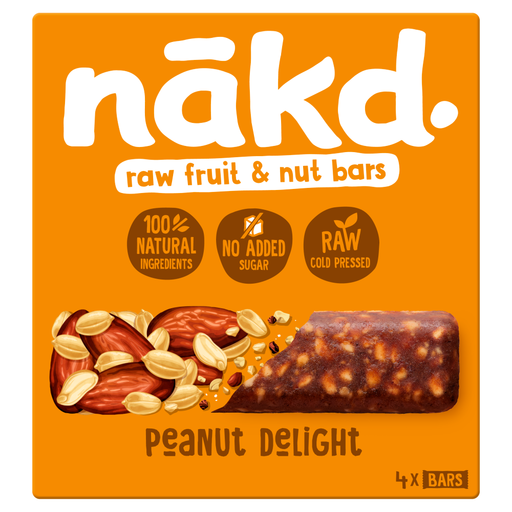 Image unavailable
Nakd Peanut Delight, 4 x 35g
This listing names a 4 x 35g Peanut Delight pack. Before comparing it with the separately listed nākd Protein Peanut Butter bar, confirm the product name, bar weight, nutrition and allergens on the pack; the Peanut Butter figures should not be applied to Peanut Delight.
View on Joybuy
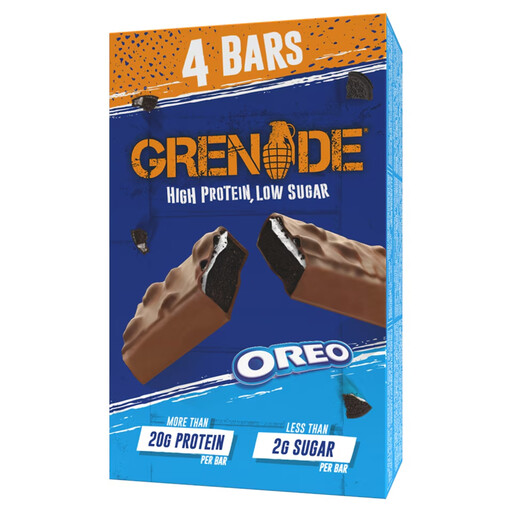 Image unavailable
Grenade Oreo Flavour Protein Bars, 4 x 60g
The listed bars weigh 60g each, so compare nutrition per bar rather than assuming figures for a 40g or 50g option apply. Check the exact pack for protein, sugars, ingredients and allergen information before using it as a breakfast stopgap.
View on Joybuy
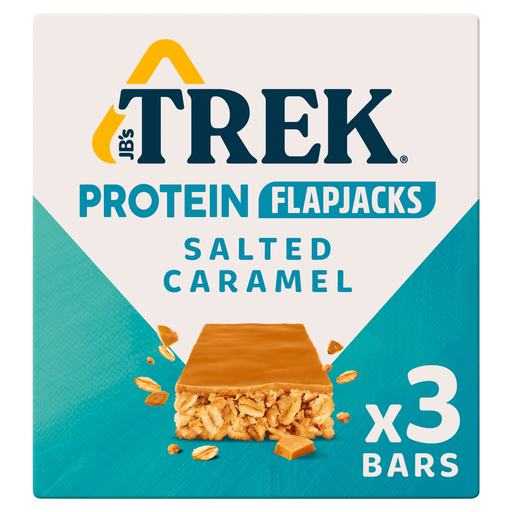 Image unavailable
TREK Salted Caramel Protein Flapjacks, 3 x 50g
This 3 x 50g flapjack pack is an oat-based format for carrying a bar on a busy morning. TREK describes its standard Protein Flapjacks as plant-based and providing 9g protein; check the Salted Caramel pack for its exact nutrition and allergen declaration.
View on Joybuy
Questions about breakfast bars
Can a protein snack bar take the place of breakfast?
A bar can be a portable stopgap when breakfast is delayed, but its portion and nutrition still matter. Nature Valley UK lists about 10g protein and 4g fibre in its 40g Peanut & Chocolate bar; check energy, sugars and allergens too, and consider when you expect your next meal.
Does no added sugar mean a bar contains no sugars?
No. DDC Foods describes nākd Protein Peanut Butter as having no added sugar but lists 26.8g total sugars per 100g. Read the “of which sugars” line for the exact bar and note its serving size.
Which allergens should I check in a protein breakfast bar?
Check the exact pack’s ingredients and “may contain” wording, particularly for peanuts, other nuts, soya and milk. The researched Nature Valley Peanut & Chocolate bar contains peanuts, soya and milk and may contain tree nuts; the DDC Foods listing says nākd Protein Peanut Butter contains peanuts and may contain soya and tree nuts.


