For a portable snack between meals, compare protein, sugars, fibre and energy per bar, then check the ingredients against your dietary needs. Nature Valley Peanut & Chocolate provides 10.2g protein per 40g bar according to Nature Valley UK, but contains peanuts, soya and milk; TREK Cocoa Oat provides 9g per 50g bar and is labelled vegan and gluten-free, but contains soya and has 14g sugars. The NHS and British Dietetic Association do not recommend a special diet after birth or while breastfeeding: a bar can sit alongside regular meals and fluids rather than replace them.
Who might find a bar useful?
A portioned bar can be convenient when a meal is delayed, provided its ingredients and per-bar nutrition suit the person eating it.
Parents fitting snacks around a busy day
A bar is easy to put in a bag for an appointment or errand. Check what one bar provides, and keep it in the context of regular meals and fluids, as advised in postnatal guidance from the British Dietetic Association and NHS.
Shoppers choosing vegan or gluten-free bars
Check the exact flavour and pack rather than relying on a brand-wide description. TREK labels its Cocoa Oat flapjack vegan and gluten-free, but those claims do not answer every allergen question.
Households managing food allergies
Peanuts, nuts, soya and milk appear in the ingredients or precautionary statements of several named bars. Read the current pack for the particular person who will eat the bar.
What should you check before choosing?
Start with the portion you expect to eat, then read the rest of that bar’s nutrition panel and ingredient list.
| Priority | What to check | Your needs |
|---|
| Protein and portion |
Read protein per bar and note the bar’s weight. Use per 100g figures if you want to compare products of different sizes on the same weight basis. |
I want to know what the bar I will actually eat provides, rather than judge it by the protein claim on the front. |
| Other nutrition |
Check sugars, fibre, saturated fat and energy for the same serving. Nature Valley UK lists 10.2g protein and 6.9g sugars per 40g Peanut & Chocolate bar; TREK lists 9g protein and 14g sugars per 50g Cocoa Oat bar. |
If I am choosing a bar to keep handy, I want the rest of its nutrition panel alongside its protein figure. |
| Ingredients and allergens |
Read the current ingredients and any precautionary allergen statement. Check vegan or gluten-free wording separately from peanut, nut, soya and milk warnings. |
Someone in my household may need to avoid a particular ingredient, even when a bar meets another dietary preference. |
| Fit with meals |
Consider when you would eat the bar and what else is available. The NHS says breastfeeding does not require a special diet, while the British Dietetic Association advises regular, balanced eating after birth. |
On a day when a meal is delayed, I want something portable without treating a snack bar as a substitute for meals and fluids. |
Common buying mistakes
-
Assuming a protein claim tells the whole nutrition story
Action on Salt & Sugar reported that, among 458 snack bars reviewed across 10 major UK retailers in November 2025, 37% were high in sugars and 55% were high in saturated fat under UK front-of-pack thresholds. Those figures describe products in the audit, not new parents’ preferences or every protein bar.
Read sugars, saturated fat, fibre and energy alongside protein on the individual bar’s label.
-
Treating vegan or gluten-free as an allergen guarantee
TREK Cocoa Oat is labelled vegan and gluten-free, yet its product information lists soya and says it may contain peanuts, nuts and milk.
For anyone with a relevant allergy, check the current physical pack’s ingredients and precautionary statement.
-
Comparing protein without noticing bar size
The named products include 40g, 45g and 50g bars. A per-bar protein figure and a per-100g figure answer different questions.
Use per-bar values to assess the portion you will eat; use per-100g values when comparing equal weights.
-
Relying on an inconsistent product listing
A Joybuy listing headed nākd. Cocoa Hazelnut Protein Bar also contains Cocoa Almond wording and describes the product as unavailable. The conflicting names make that listing unsuitable for confirming the exact variant.
Check the current listing, stock and physical pack before relying on its flavour, ingredients or nutrition details.
Brand references
These examples show why it matters to compare named bars, not assume every product from a brand has the same nutrition or ingredients.
Nature Valley
Its Peanut & Chocolate protein bar is a 40g option with 10.2g protein and 4.4g fibre, according to Nature Valley UK.
- The named bar is labelled gluten-free and vegetarian.
- It contains peanuts, soya and milk, and may contain tree nuts.
TREK
TREK’s Cocoa Oat is a 50g protein flapjack labelled vegan and gluten-free.
- TREK lists 9g protein per Cocoa Oat bar.
- The bar has 14g sugars, contains soya and may contain peanuts, nuts and milk.
Eat Natural
Its Dark Chocolate & Peanut Protein Bar is a nut-based example with a published per-bar nutrition panel.
- Eat Natural lists 7.8g protein and 2.4g fibre per 40g bar.
- The same bar lists 10g sugars and 5.6g saturated fat; it contains peanuts and soya.
nākd.
The brand describes its bars as having no added sugar, a claim to distinguish from total sugars on the nutrition panel.
- A Joybuy listing for Cocoa Hazelnut Protein Bar lists 7.2g protein and 7.2g fibre per 45g bar.
- That listing describes the product as unavailable and uses conflicting flavour wording. Confirm the exact current pack before buying.
Graze
Graze describes a broader snack range in terms of plant protein, fibre or vitamins and minerals.
- Its range offers a different starting point if you are browsing snacks beyond dedicated protein bars.
- Check the nutrition of a named bar rather than applying a general brand description to every product.
Alpen
Alpen’s current product information centres on muesli rather than a named protein bar for this comparison.
- If you find an Alpen bar at a retailer, check its current pack and nutrition panel before comparing it with the named bars here.
Snack bars on Joybuy
These Joybuy listings cover protein flapjacks and nut-based bars to consider as portable snacks. Compare each exact pack with your dietary requirements and the nutrition shown on its current label.
 No image available
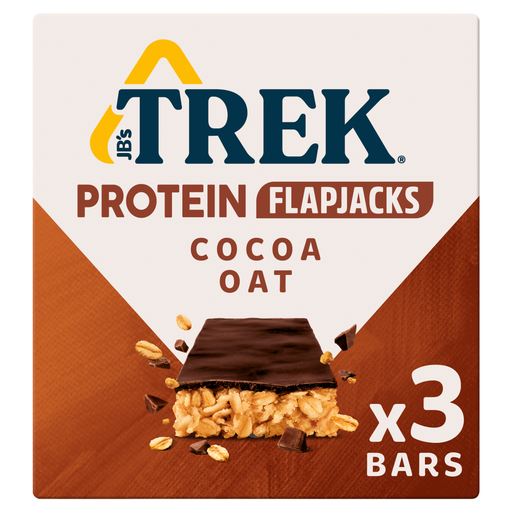
TREK Cocoa Oat Protein Flap Jacks, 3 x 50g
A flapjack to consider if you want a vegan, gluten-free snack. TREK lists 9g protein and 14g sugars per 50g Cocoa Oat bar; it contains soya and may contain peanuts, nuts and milk.
View on Joybuy
 No image available
Nature Valley Protein Peanut & Chocolate, 4 x 40g
A portioned bar for comparing protein and fibre per snack. Nature Valley UK lists 10.2g protein, 4.4g fibre and 6.9g sugars per 40g bar; it contains peanuts, soya and milk and may contain tree nuts.
View on Joybuy
 No image available
Nature Valley Protein Salted Caramel Nut, 4 x 40g
A nut-flavoured, portioned alternative to the Peanut & Chocolate pack. Nature Valley UK describes this Salted Caramel Nut bar as providing 10g protein and 4g fibre; check its own pack for the full nutrition panel and allergens.
View on Joybuy
 No image available
TREK Salted Caramel Protein Flapjacks, 3 x 50g
Another 50g flapjack format for a snack between meals. Check this flavour’s own pack for protein, sugars, dietary claims and allergens rather than applying the Cocoa Oat figures to it.
View on Joybuy
 No image available
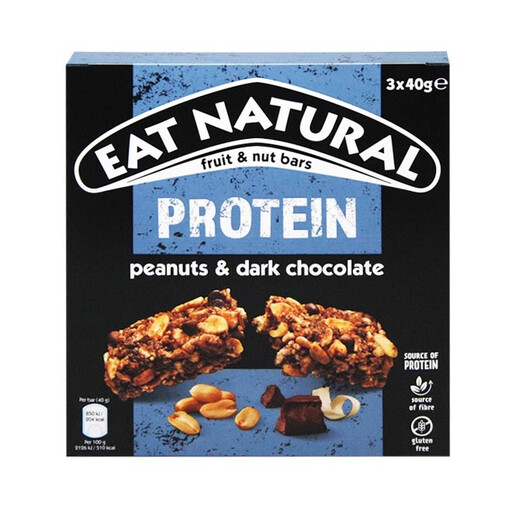
Eat Natural Peanuts & Chocolate Energy Bar, 3 x 40g
A peanut-and-chocolate bar sold in 40g portions. Check this Energy Bar’s own nutrition and ingredients: figures for Eat Natural’s separately named Dark Chocolate & Peanut Protein Bar should not be assumed to apply to it.
View on Joybuy
Frequently asked questions
Do breastfeeding parents need high-protein snack bars?
No special diet is required while breastfeeding, according to the NHS. The British Dietetic Association likewise advises balanced, regular eating after birth. A bar can be a convenient snack, but it does not replace meals or fluids.
Which label figures should I compare first?
Start with protein, sugars, fibre, saturated fat and energy for one bar, alongside its serving weight. Then read the ingredients and allergens. If bar sizes differ, the per-100g panel can help you make an equal-weight comparison.
Does vegan or gluten-free mean a bar is suitable for someone with a food allergy?
No. Those claims address particular ingredients, not every allergen or precautionary warning. TREK says its vegan, gluten-free Cocoa Oat bar contains soya and may contain peanuts, nuts and milk; check the current physical pack against the person’s allergy requirements.
What if an online bar listing and its description disagree?
Do not use conflicting names as proof of the exact flavour or variant. Confirm the product identity, ingredients and nutrition on the current physical pack before relying on the listing.


