Families packing for outings
A packaged bar is easy to take on a trip or journey. Consider where it fits among the day’s other snacks rather than relying on bars for every snack occasion.


For a school-holiday outing, choose a protein bar by checking the exact pack’s protein per bar, sugars, ingredients and allergens—not its protein claim alone. A portioned bar can be convenient to carry, but NHS Healthier Families recommends fruit and vegetables as children’s preferred snacks and advises no more than two packaged snacks a day when children have them.
A packaged bar is easy to take on a trip or journey. Consider where it fits among the day’s other snacks rather than relying on bars for every snack occasion.
Vegan, gluten-free and dairy-free descriptions answer different questions. Check the exact flavour’s ingredient and allergen information against the child’s requirements.
For a portable snack after an activity, compare the stated portion and protein with sugars, energy and allergens. A protein figure alone does not settle the choice.
Start with the occasion and the child’s dietary requirements, then compare nutrition information for the portion they would actually eat.
| Priority | What to check | Your needs |
|---|---|---|
| Nutrition per bar | Read protein, sugars, saturated fat and energy for one bar. Check its weight before comparing figures from different packs. | I want to compare the snack my child would actually eat, rather than decide from a protein claim on the front. |
| Allergens | Read the current ingredient and allergen statement for the exact flavour. Check any precautionary allergen wording as well. | If my child avoids peanuts, soya, milk or wheat, I need to assess the particular bar—not assume a vegan or gluten-free description covers every allergy. |
| Dietary route | Check vegan, gluten-free or dairy-free wording separately and confirm it applies to the chosen variant. Compare protein per stated serving. | A dietary exclusion may matter more to us than choosing the bar with the largest protein figure. |
| Snack occasion | Check the portion you are packing and plan other snacks for the day. NHS Healthier Families advises fruit and vegetables as children’s preferred snacks and no more than two packaged snacks a day when children have them. | For a long journey, I may want a bar that is straightforward to pack without making packaged bars the default at every break. |
| Where it will be eaten | Ask a holiday club or activity provider about its food and allergy policy before packing a bar for that setting. | I need to know whether the chosen ingredients are permitted where my child will eat the snack. |
In its 2025 analysis of 458 UK snack bars, Action on Salt & Sugar classified 64% as “less healthy” under the Government Nutrient Profiling Model; 37% were high in sugars under front-of-pack labelling thresholds. These figures describe sampled products, not children’s snack choices.
Use the protein figure as one comparison point, then read the nutrition information per bar.
Nature Valley Protein Peanut & Chocolate contains peanuts, soya and milk. The TREK Biscoff Protein Flapjack contains wheat and soya and may contain peanuts, nuts and milk.
Check the pack for the exact flavour and follow the child’s allergy plan and the destination’s food policy.
NHS Healthier Families recommends fruit and vegetables as children’s preferred snacks and advises no more than two packaged snacks a day when children have them.
Pack a bar for an occasion where its portability helps, and consider fruit or vegetables for other breaks.
Ingredients and nutrition information can change between purchases.
Recheck the pack in hand, particularly when an allergen or dietary exclusion affects the choice.
These brand ranges illustrate different ingredients and stated protein amounts; compare the exact product rather than applying a range description to every flavour.
Its Protein Peanut & Chocolate bar is a nut- and soya-based example.
TREK offers Protein Flapjacks and a separate High Protein bar range.
The Peanut Butter Protein Bar is a fruit-and-nut-based, plant-protein option.
Its protein range includes fruit-and-nut bars with nut-led varieties.
Graze Oat Boost flapjacks offer an oat-based snack-bar alternative.
These bars offer nut-based protein-bar and oat-flapjack formats to consider for school-holiday outings. Check each pack’s nutrition and allergen information before choosing for a child.
 No image available
A 40g-bar multipack to consider when packing a portioned snack. Check the current pack for protein and sugars per bar, and for peanuts, almonds, soya and milk if those ingredients matter to your choice.
 No image available
For an outing where a portioned bar is useful, Nature Valley lists around 10g protein and around 4g fibre per 40g Peanut & Chocolate bar. It contains peanuts, soya and milk, so check suitability before packing it.
 No image available
A 50g oat-flapjack format for a portable snack. If choosing it for a vegan or gluten-free requirement, confirm the wording on this flavour’s pack; check sugars and the allergen statement there too.
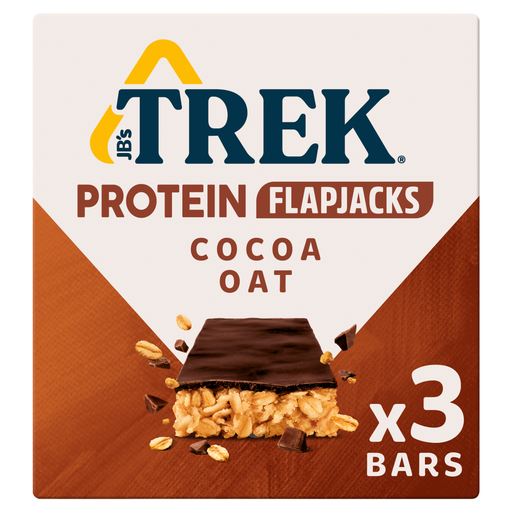 No image available
A cocoa-flavoured, 50g oat-flapjack option for an outing. Compare sugars per bar with other choices and check the current pack for soya and any other allergens relevant to your child.
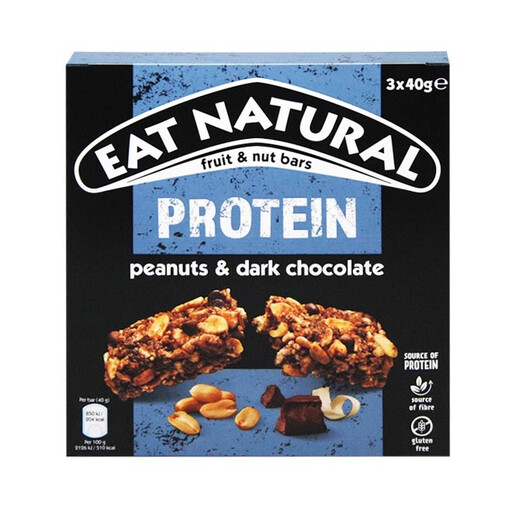 No image available
A peanut-and-chocolate bar in a 40g-bar multipack. Compare its nutrition per bar with other snacks and check the current label for peanuts, other nuts, milk and soya.
No. Check the whole nutrition panel and the portion, not just protein. In a 2025 analysis of 458 UK snack bars, Action on Salt & Sugar classified 64% as “less healthy” under the Government Nutrient Profiling Model and 37% as high in sugars under front-of-pack labelling thresholds; those are findings about sampled products, not a judgement on every bar. NHS Healthier Families recommends fruit and vegetables as children’s preferred snacks.
NHS Healthier Families advises no more than two packaged snacks a day when children have them, and recommends fruit and vegetables as the preferred snack choice. Plan the day’s snacks rather than treating a bar as the default for every break.
Check the current pack for the exact flavour, including its ingredient list and precautionary allergen wording. The named Nature Valley Peanut & Chocolate bar contains peanuts, soya and milk; the TREK Biscoff flapjack contains wheat and soya and may contain peanuts, nuts and milk. Follow the child’s individual allergy plan.
Ask the club about its current food and allergy policy before packing one. Check whether the particular bar’s ingredients are permitted, especially if it contains nuts or other allergens.
Yes. Check the ingredients, allergens and nutrition information on the pack you are buying, particularly when an allergy or dietary exclusion affects the choice; a previously checked version may not have the same recipe.