
24/7 Customer Support

Free returns

Same-day & Next-day Delivery

Quality Guaranteed

Unlock Your Welcome Offers: FREE Delivery | Up to 80% OFF | Free 30-day JoyPlus trial
Download the APP
Navigating the world of protein snacks can feel like a workout in itself. Shelves are packed with options promising to fuel your day, aid muscle recovery and keep hunger at bay. Yet, not all snacks are created equal. As a Product Recommendation Officer at Joybuy, my role is to help you see past the marketing clutter and make choices that genuinely fit your lifestyle and budget. Many seemingly healthy options can hide pitfalls that undermine your goals.
Before you add that next snack to your basket, let’s look at a few common traps that UK shoppers often fall into.
To avoid these pitfalls, focus on a few core details on the packaging. This simple check can make all the difference between a smart purchase and a regrettable one.
The front of the pack tells a story; the back tells the facts. Pay close attention to these three figures:
The type of protein affects how your body uses it. There's no single "best" source; it depends on your needs.
Based on these practical criteria, here are a few protein snacks that align with different needs and lifestyles, helping you sidestep the common traps.
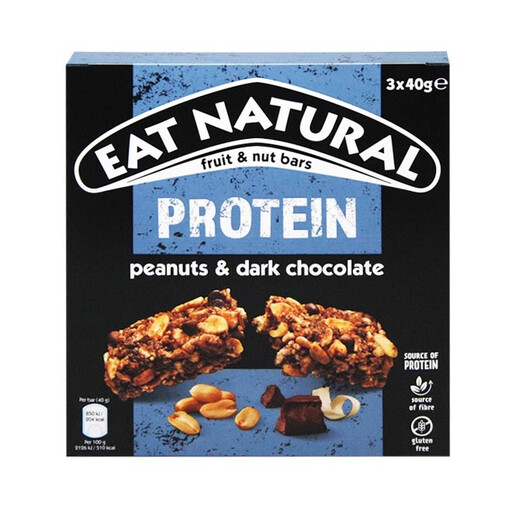
Why This Fits Their Persona: Perfect for stashing in a desk drawer or laptop bag, this bar provides a substantial energy boost for that mid-afternoon slump. It's a convenient on-the-go snack that feels more like real food than a synthetic bar.
It sidesteps the "healthy halo" trap by using recognisable ingredients like peanuts (45%), dark chocolate and honey. While it contains sugars for energy, they are balanced with protein and fibre from whole foods.
Delivers a good protein punch (over 10g per bar) from peanuts and soya crispies. The multipack format offers good value for planned snacking.
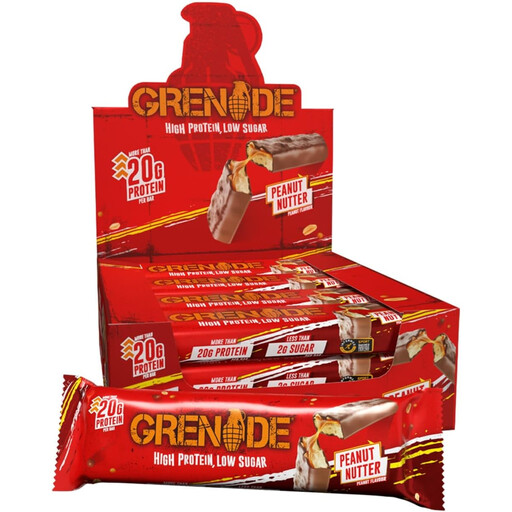
Why This Fits Their Persona: This bar is specifically engineered for those tracking their macros. It's an ideal post-workout recovery aid or a guilt-free treat that supports muscle maintenance without compromising a low-sugar diet.
It directly counters the high-sugar pitfall by using polyols (maltitol) as a sweetener, keeping sugar content to just 1.7g per bar. It also delivers a high-quality milk protein blend, avoiding the low-value protein trap.
An impressive 20g of protein per 60g bar. The triple-layered texture makes it one of the more satisfying high-protein bars on the market.
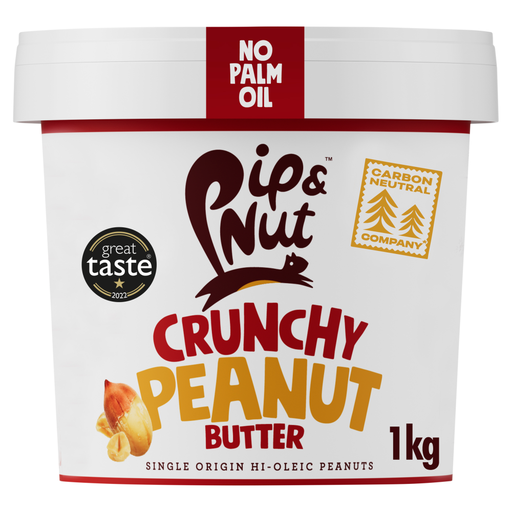
Why This Fits Their Persona: For those who prefer to control their ingredients, this peanut butter is a perfect pantry staple. It's versatile for adding a protein boost to smoothies, porridge or simply spreading on toast. The 1kg tub is economical for regular use.
It completely avoids the pitfalls of hidden sugars and unnecessary additives. The ingredient list is as clean as it gets: 99.4% peanuts and a sprinkle of sea salt. There is no palm oil or added sugar.
High in natural protein (27g per 100g) and healthy monounsaturated fats. Its simplicity makes it an incredibly versatile and wholesome protein source.
We have compiled a complete, real-time list of products that fully satisfy these strict selection criteria and UK safety regulations.
They can be a useful tool. Protein is known to increase feelings of fullness (satiety), which can help reduce overall calorie intake by preventing overeating or snacking on less nutritious foods. However, calories are still key. For weight management, opt for low sugar snacks that are high in protein and fibre, and be mindful of the total calories per serving.
This depends on your goals. For post-workout recovery, consuming a protein snack within an hour of finishing exercise can help with muscle repair. As a general on-the-go snack, eating one between meals can help stabilise blood sugar levels and prevent the energy dips that lead to reaching for sugary treats.
There's no single magic number, but for a snack to be effective at curbing hunger and contributing to your daily protein needs, look for options that provide at least 10-15 grams of protein per serving. Anything less may not be substantial enough to make a difference. Always check the serving size to understand how much you are actually consuming.