How much protein do you need each day, and do you need a shake to get
it? For most healthy adults, a varied diet is the starting point. Beans,
lentils, eggs, fish, meat, dairy foods and tofu all offer ways to
include protein in meals. Convenience products can be useful when they
fit a specific gap in your routine, but buying more is not the same as
eating better. This guide explains the UK adult reference intake, shows
how to think about everyday food sources and compares five Applied
Nutrition products at Joybuy. From a powder you mix at home to a bottled
shake or a spoonable dessert, choose by your actual needs, the
ingredients and the portion you will consume.
Five formats for different everyday needs
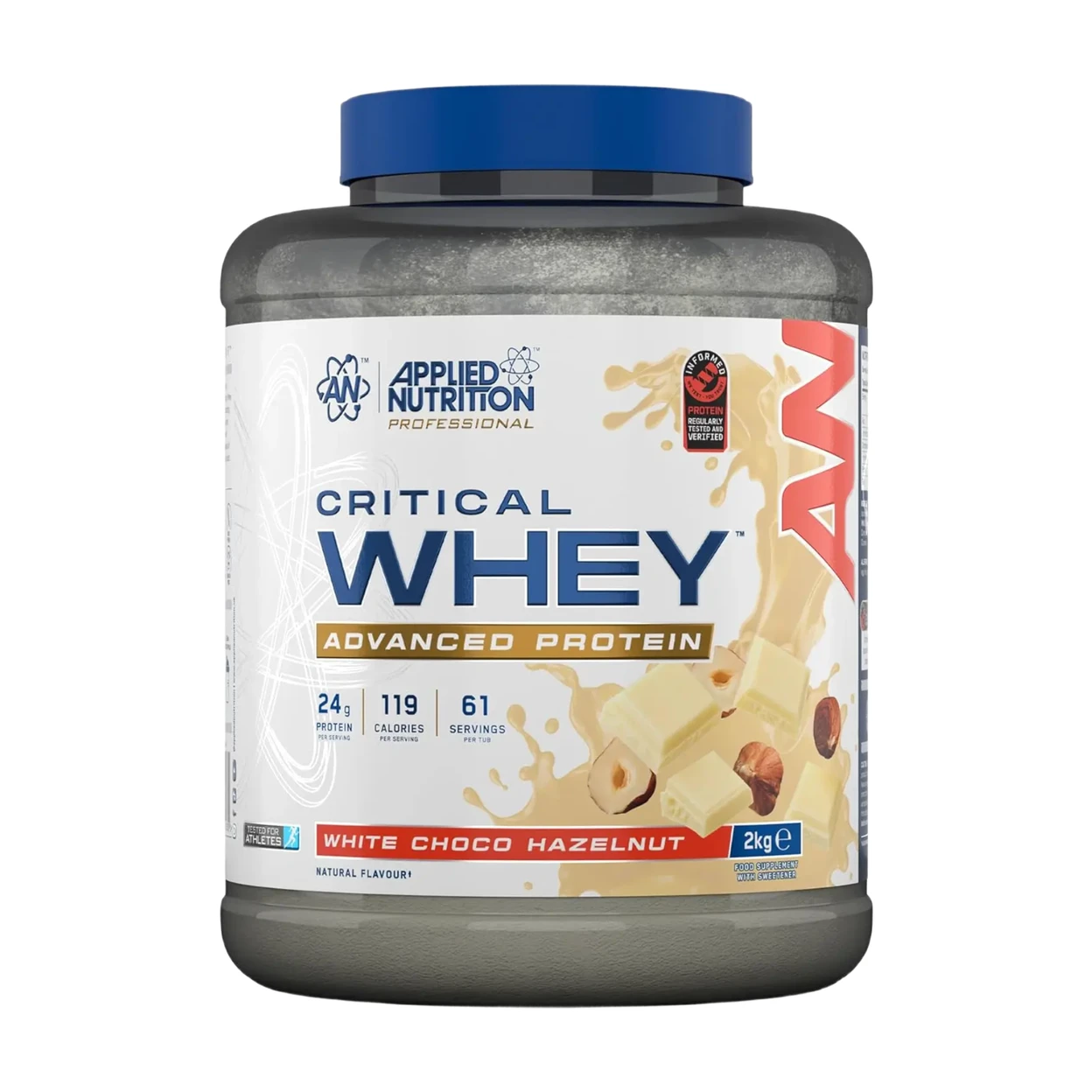
Applied Nutrition Critical Whey Protein Powder White Chocolate
Hazelnut
A mix-at-home option if you prefer a flavoured shake and have time
to prepare it. This 2kg pack is the White Chocolate Hazelnut
variety. Measure the portion specified on your pack and include
any milk you add when working out the protein and energy in your
drink.
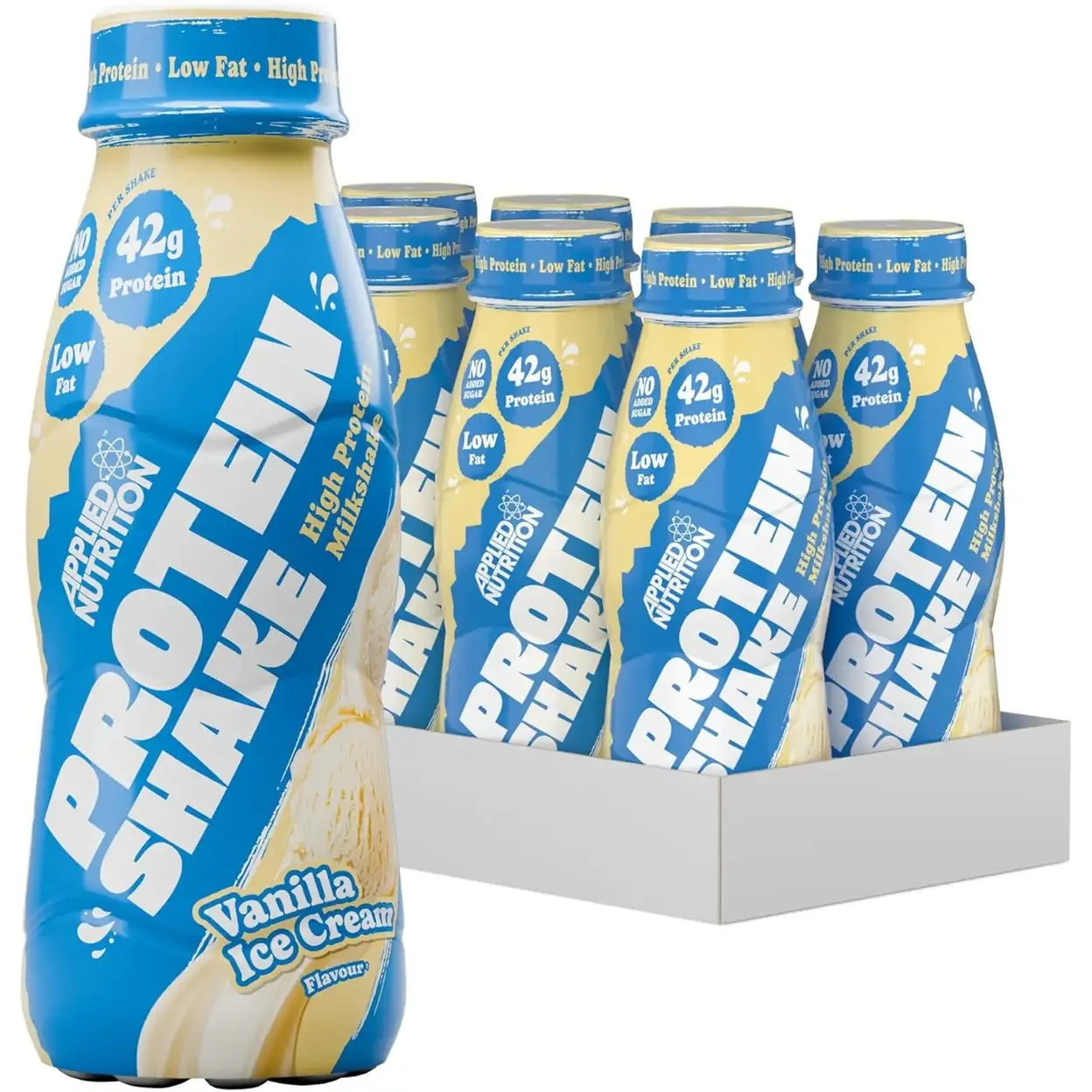
Applied Nutrition Protein Shake Vanilla Ice Cream Flavour
For a ready-made drink, this pack contains eight 500ml bottles in
Vanilla Ice Cream flavour. There is no powder to measure or shaker
to wash. Read the bottle label for the serving information and
follow its storage instructions, including what to do after
opening.
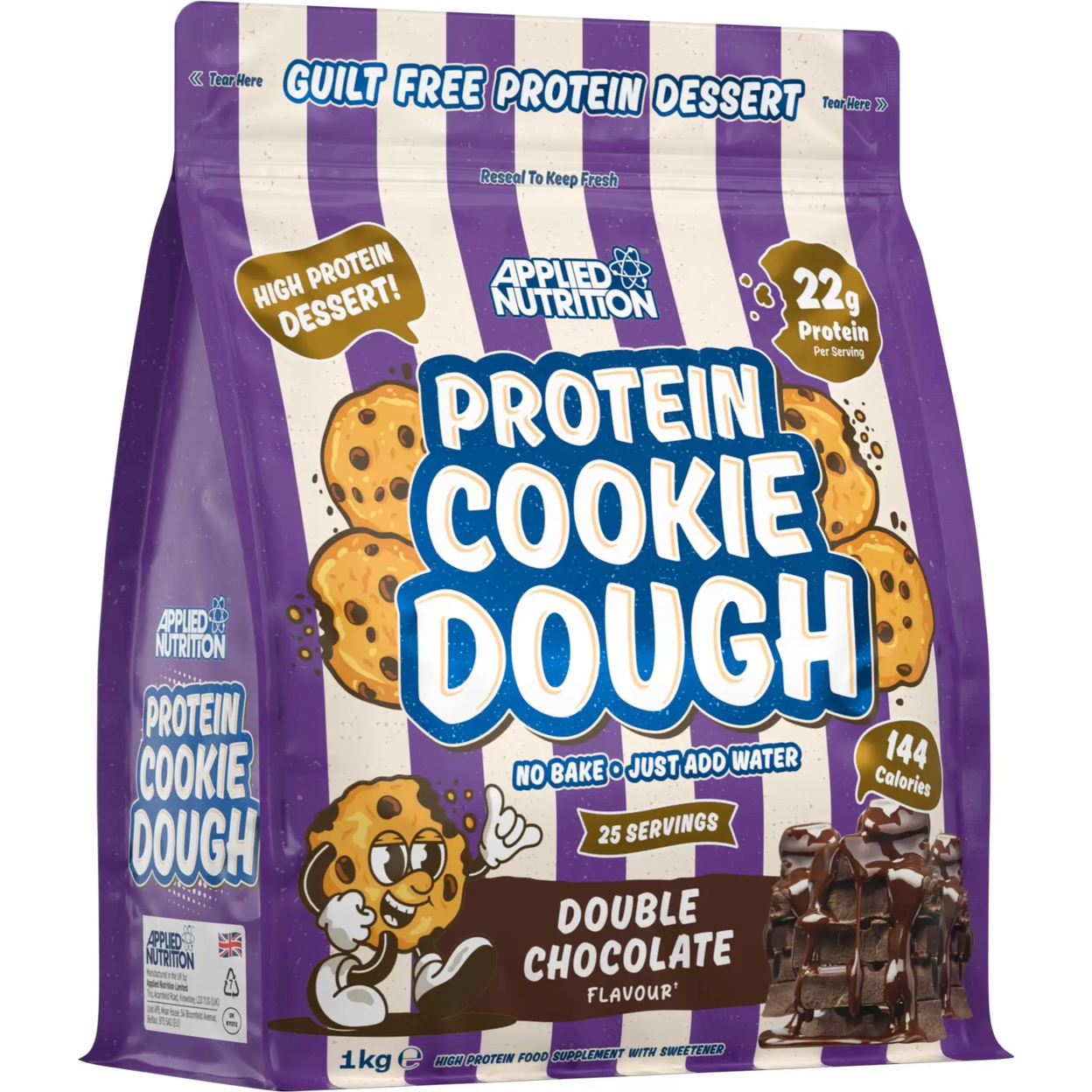
Applied Nutrition Protein Cookie Dough Double Chocolate Flavour
Prefer something to eat with a spoon? This 1kg Double Chocolate
Cookie Dough product is a dessert mix to prepare, rather than a
pack of baked cookies. Follow the label for mixing and portions.
Count the finished dessert as part of your usual food intake,
including any toppings.
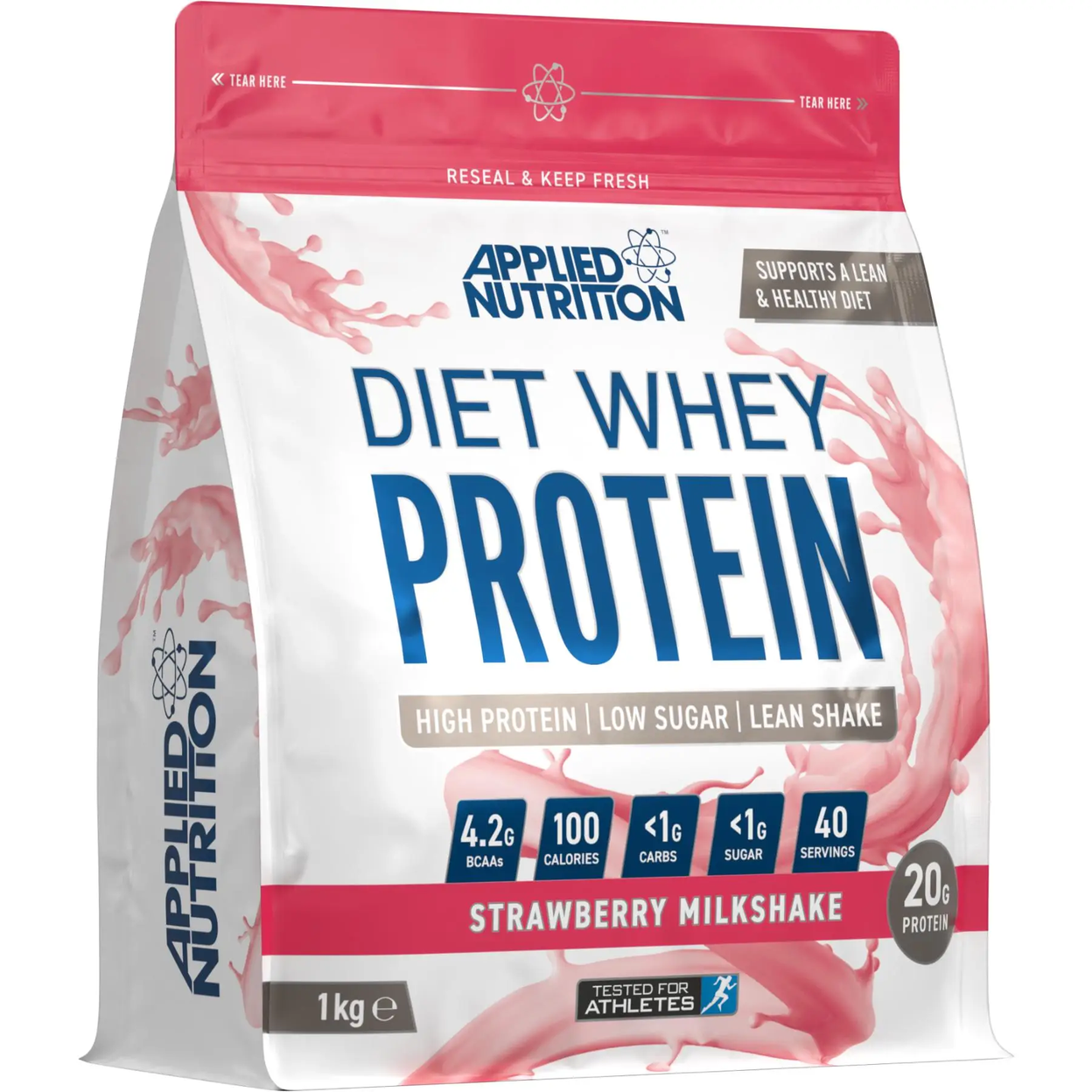
Applied Nutrition Diet Whey Protein Strawberry Flavour
This strawberry-flavoured 1kg powder is another mix-at-home
option. Compare its label with regular whey before choosing: the
word diet is not a promise of weight loss or a meal-replacement
claim. The current brand formula contains milk, egg and green tea
extract, so check suitability and warnings.
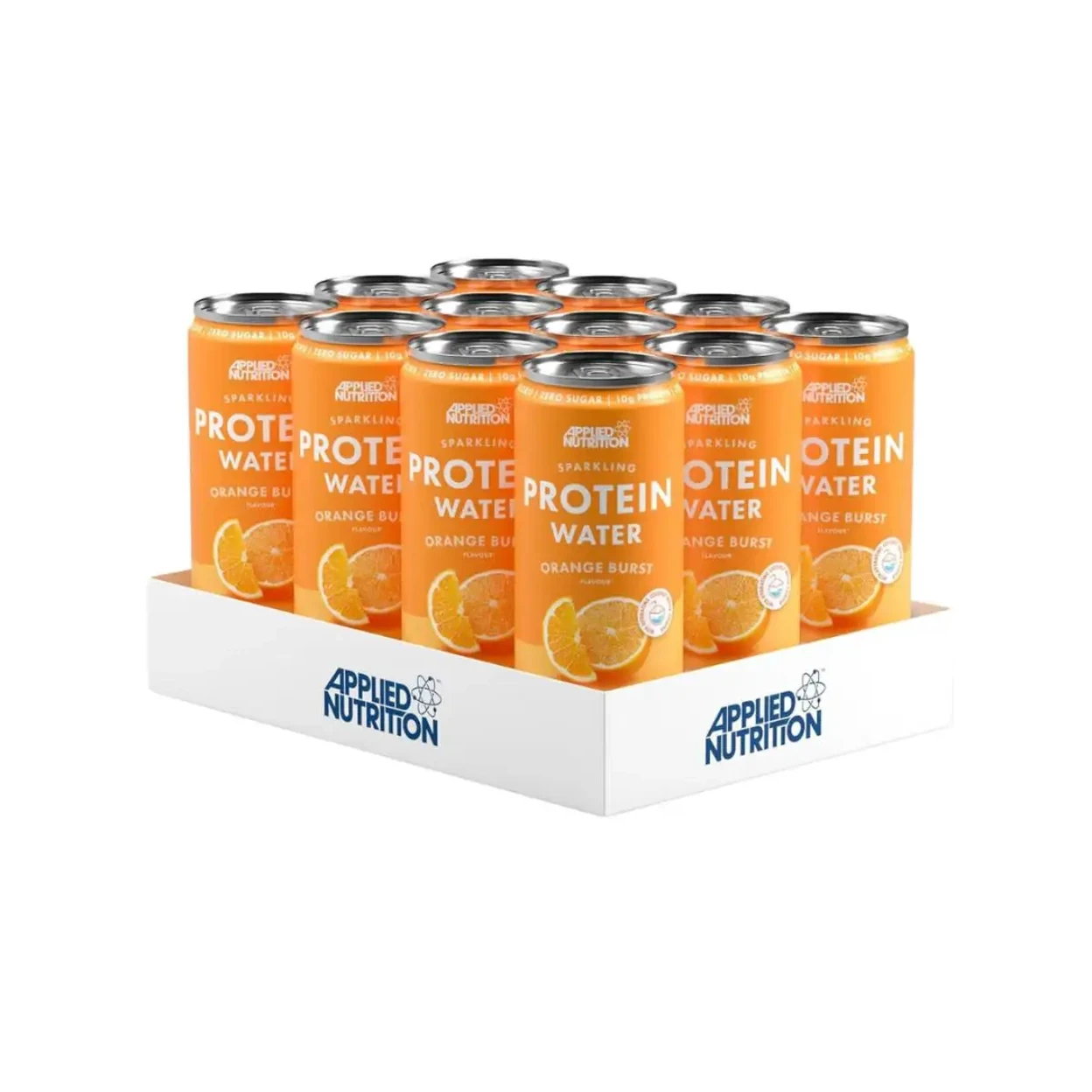
Applied Nutrition Sparkling Protein Nutrition Drink Orange Burst
An orange-flavoured fizzy option in a pack of twelve 330ml cans.
The brand lists bovine collagen peptides for Orange Burst, so this
is not a vegan protein drink. Choose it for the format if it suits
your diet, and check the can for current nutrition and usage
advice.
Compare formats before choosing a product
Start with preparation and the way you plan to use the product. Pack
weight or drink volume is not the same as protein content. This
comparison covers format, size and buying checks; use the exact
flavour label to compare the nutrition in your actual serving.
Before buying: Pack sizes follow the supplied
listings. Recipes, nutrition and availability may change, so check
the current label for your chosen flavour. Follow serving limits,
storage instructions and product warnings. These options are not
substitutes for a varied diet; a product name alone does not
establish suitability or guarantee weight loss.
Work out your needs and choose practically
Start with the UK adult protein reference
The UK adult reference intake is 0.75g of protein per kilogram of
body weight each day. As an illustration, that is 45g for a 60kg
adult or 60g for an 80kg adult. This covers total protein from
food and drinks, not a supplement allowance. It is a general
reference rather than an individual prescription; older adults and
people training intensively may have different needs.
Build meals around everyday protein foods
Start with foods you already enjoy: eggs at breakfast, lentils in
a soup, tofu in a stir-fry or fish with your evening meal. Dairy
foods, beans and lean meat are other options. Keep variety across
your diet, with vegetables, fruit and starchy foods alongside
protein sources. A convenient shake can fill a practical gap, but
it does not supply the variety of a balanced eating pattern.
Compare the portion you will actually use
Read protein and energy per serving, then check how many servings
the bottle, can or scoop represents. Compare like with like: a
value per 100g of powder is different from a value per prepared
drink. Milk, yoghurt or toppings change the finished portion. Use
the current flavour-specific label, especially if a brand has
changed its recipe, rather than assuming every version has the
same figures.
Choose a format that fits your routine
A powder suits someone happy to measure and mix; a ready-to-drink
shake removes that preparation. Cookie Dough offers a dessert
format, while a sparkling drink has a different texture and
protein source. Choose one useful option rather than stacking all
five. Check allergens and any ingredient-specific warnings first,
and keep the rest of your meals in view when deciding what to buy.
Your protein questions answered
Do I need protein powder if I eat a balanced diet?
Not necessarily. Review the protein foods you already eat before
adding a product. A powder or drink can be convenient when you
struggle to fit suitable food into your day, but it is not
compulsory for a healthy diet. If you are unsure about your needs
because of a medical condition, pregnancy or a major change in
training, ask a registered dietitian or another qualified health
professional.
Does Diet Whey replace a meal or guarantee weight loss?
No. The product name does not make it a nutritionally complete meal
replacement or guarantee a change in weight. Check how a serving
fits your overall food intake. The current brand formula includes
green tea extract: follow its warnings, including avoiding use on an
empty stomach or alongside other green tea products on the same day.
Read the pack before buying, particularly if you take medicines.
Are these protein products suitable for a vegan diet?
Do not assume they are. Whey is derived from milk, the shake and
Cookie Dough use dairy ingredients, and the current Diet Whey
formula includes milk and egg. The Orange Burst sparkling drink
lists bovine collagen peptides. Check the exact flavour and pack for
allergens and dietary suitability. If you need a vegan option, look
for a clearly labelled plant-based product with a suitable
ingredient list.
Find a Protein Option That Fits Your Day
Compare powders, shakes and other convenient options to suit your
everyday meals.


