
24/7 Customer Support

Free returns

Same-day & Next-day Delivery

Quality Guaranteed

Unlock Your Welcome Offers: FREE Delivery | Up to 80% OFF | Free 30-day JoyPlus trial
Download the APP
Choosing protein supplements should be straightforward, but product labels can make comparison difficult. A large tub does not always offer better value, and a high protein figure may come with more calories, sugar or ingredients than you expected.
As the Joybuy Product Recommendation Officer, I focus on practical details that help UK shoppers compare products without relying on exaggerated marketing claims. Whether you want whey protein powder for muscle growth, a clear drink for post-workout recovery or a meal replacement shake for calorie control, check these points first.
A 2kg container may look economical, but the useful comparison is protein per serving, number of servings and the recommended serving size. One product may provide around 20g of protein in a 25g serving, while another provides a similar amount in 33g. Compare the cost per serving and protein content rather than the pack weight alone.
Whey protein concentrate, whey protein isolate and hydrolysed whey are processed differently. However, absorption claims should not distract from the basics: total daily protein, portion size, allergens, calories and whether you will actually enjoy using the product regularly.
A clear whey protein drink may be more appealing than a thick shake if you prefer a light, fruity texture. Conversely, whey protein powder is usually more versatile for porridge, smoothies and baking.
A protein shake can help increase daily protein intake, but it is not automatically a meal replacement. A mass gainer or weight gain supplement usually contains substantially more carbohydrate and calories than a standard shake. A meal replacement shake is formulated for a different purpose and may include fibre, vitamins and minerals.
Check the product’s intended use before buying. A high-calorie gainer may be unsuitable if you are following a calorie-controlled plan, while a low-calorie shake may not provide enough energy for someone struggling to meet higher intake targets.
Vegetarian protein supplements can include milk-based whey products, while plant-based products may be suitable for vegan diets. Do not assume that “vegetarian” means dairy-free.
For everyday comparison, record:
For example, the Applied Nutrition Clear Whey range lists approximately 21.27g of protein and 90 kcal per 25g serving, with around 0.24g of sugar. A ready-to-drink protein shake may provide 20g or 42g of protein, but the bottle size and calorie content differ considerably.
If you are looking for low-sugar protein supplements, check the nutrition panel rather than relying on phrases such as “lean”, “light” or “macro-friendly”.
UK food labels should identify relevant allergens, but formulations and flavour ingredients can vary. Whey products commonly contain milk, while some powders also contain soya. Mass gainers may include milk, oats, wheat or soya.
Also check how the product fits your routine:
Always read the current packaging, dosage instructions and warnings before use.
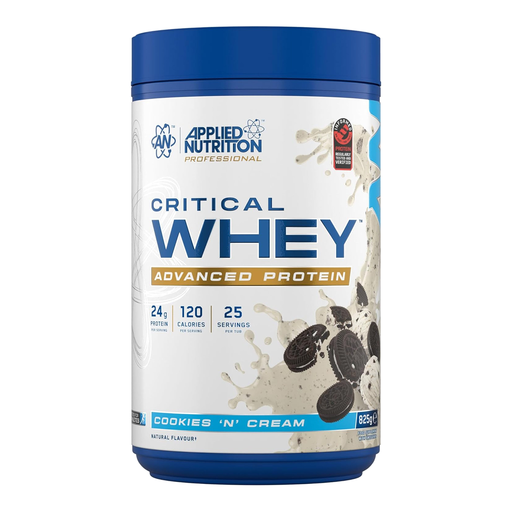
Why This Fits Their Persona: A practical starting point for adults who want a conventional whey protein powder for shakes or between-meal use without choosing a large-format tub.
The listed blend identifies whey concentrate and isolate, with approximate serving nutrition provided for comparison.
Mixes with water or milk; supplies approximately 22–24g of protein per serving, depending on flavour.
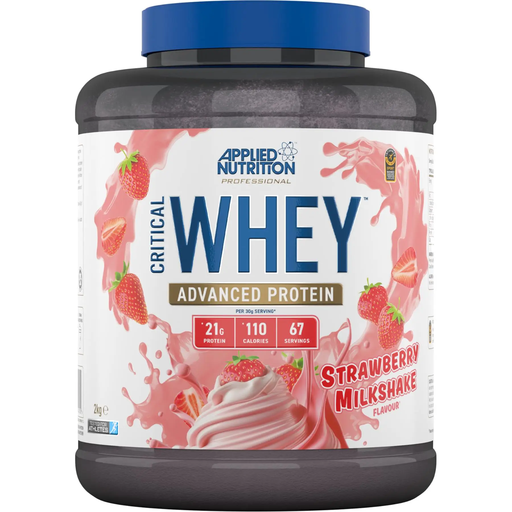
Why This Fits Their Persona: Suitable for regular gym-goers and athletes who want a larger supply and a multi-source whey formula for ongoing training nutrition.
The product page lists the protein sources, serving size and allergen information instead of relying only on performance language.
Provides approximately 23.8g of protein per 33g serving; combines concentrate, isolate, hydrolysed whey and milk protein concentrate.
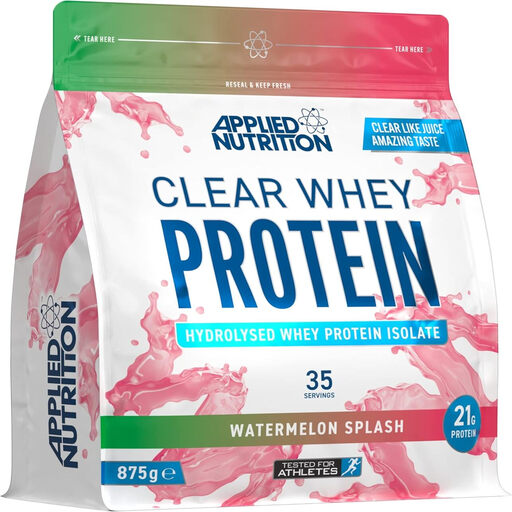
Why This Fits Their Persona: A useful choice for active adults who dislike creamy shakes and prefer a light drink after training or during a busy day.
Its nutrition panel makes the low-sugar and low-fat profile clear, while the ingredient list identifies milk-derived hydrolysed whey.
Approximately 21.27g of protein and 90 kcal per 25g serving; mixes with 200–250ml of cold water.
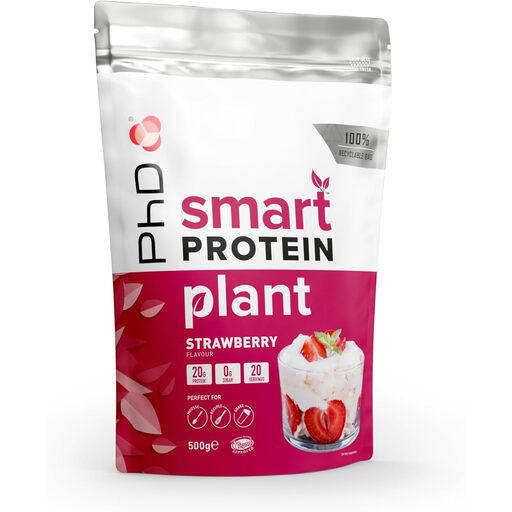
Why This Fits Their Persona: Designed for adults seeking plant-based protein powder for shakes, smoothies, baking or other recipes.
The formulation lists pea and soya protein clearly, helping shoppers check plant sources and allergens before purchase.
Provides 20g of protein per 25g serving and zero sugar; contains soya and is fortified with selected vitamins and minerals.
We have compiled a complete, real-time list of products that fully satisfy these strict selection criteria and UK safety regulations.
Choose powder if you want flexible serving sizes, lower packaging volume and the option to mix with water, milk or plant-based drinks. Choose a ready-to-drink protein shake if convenience matters more than storage space. Options such as a 330ml or 500ml bottle can be useful for commuting, work or keeping in a gym bag.
A high-protein drink is not necessarily low calorie, so compare the full bottle nutrition. Also check refrigeration instructions once opened.
Shelf life varies by product. Powder should be kept sealed in a cool, dry place and used according to the best-before information on the packaging. Ready-to-drink products generally need refrigeration after opening and should be consumed within the stated period, often 12–24 hours.
They can fit into a weight-management plan when their calories and portion sizes are accounted for. A standard low-sugar protein shake is different from a meal replacement shake, which may contain fibre, vitamins and minerals. Avoid replacing meals without checking the product directions and maintaining a varied diet.
Not necessarily. Protein powder for muscle growth is a convenience product, not a requirement. Many people can meet their needs through food. Supplements may be useful when work, travel or training makes ordinary meals less convenient. If you have a medical condition, take medication, are pregnant or breastfeeding, seek appropriate healthcare advice before use.