
24/7 Customer Support

Free returns

Same-day & Next-day Delivery

Quality Guaranteed

Unlock Your Welcome Offers: FREE Delivery | Up to 80% OFF | Free 30-day JoyPlus trial
Download the APP
Buying protein supplements can seem straightforward until you compare serving sizes, protein percentages, sweeteners, allergens and product types. A large tub is not automatically good value, while an impressive list of added ingredients may not suit your actual diet or training routine.
Whether you are starting strength training, planning post-workout protein, managing calories or looking for collagen peptides, these checks can help you choose more carefully.
A 2kg pack may look cheaper than an 825g pack, but the useful comparison is cost per serving and protein per serving. Check the stated serving weight, number of servings and grams of protein. Some powders use a large scoop with considerable carbohydrate or flavouring, while others provide a smaller serving with a higher protein percentage.
Also remember that scoop sizes are estimates. If accurate intake matters, use kitchen scales and follow the product label.
Terms such as “premium”, “rapid”, “lean” or “advanced” do not tell you how much protein, sugar, fat or caffeine a product contains. Look at the nutrition panel and ingredient list instead.
A whey blend can contain concentrate, isolate and hydrolysate in different proportions. A clear whey protein may feel lighter than a creamy shake, but it can still contain milk-derived protein and may not be suitable for people avoiding dairy. Similarly, essential amino acid supplements provide amino acids but are not a direct replacement for a complete meal or a protein powder when your main aim is increasing total protein intake.
Check allergens before considering flavour or price. Whey products generally contain milk, and some products also contain soya, cereals, eggs or other ingredients handled in the same facility. Vegan protein supplements and EAA powders may suit plant-based diets, but always read the packaging because manufacturing statements can vary.
Collagen products also require careful positioning. Collagen peptides can contribute protein, but collagen is not a like-for-like substitute for whey or a complete plant protein when you are specifically trying to increase your overall dietary protein intake.
For everyday protein support, compare protein per serving, protein per 100g and the source of protein. Applied Nutrition Critical Whey Chocolate, for example, lists 23.6g of protein per 33g serving and includes whey concentrate, isolate, hydrolysate and milk protein concentrate.
A clear formula may appeal if you dislike thick shakes. Applied Nutrition Clear Whey lists 21.27g of protein per 25g serving and uses hydrolysed whey protein. Applied Nutrition BEEF-XP provides 27.3g per 30g serving from hydrolysed beef protein isolate, offering a dairy-free and lactose-free alternative according to the supplied product information.
Choose according to your daily nutrition rather than assuming lower calories are always preferable.
Applied Nutrition Critical Mass Professional lists 42g protein, 74.7g carbohydrate and 566 kcal per 150g serving, making it a materially different purchase from a standard whey powder.
A powder that remains unused because the flavour is unsuitable is poor value. Consider whether you prefer a creamy shake, fruit-style drink or neutral powder for mixing into porridge, coffee or smoothies.
Unflavoured collagen peptides can be convenient for hot or cold drinks. Vital Proteins Collagen Peptides Skin Hair Nail & Joint Support Unflavoured lists 10g protein per 10g serving in the 284g pack, while the 567g version lists 18g protein per serving alongside 20g collagen. Check the specific pack label, as serving information and formulations can differ.
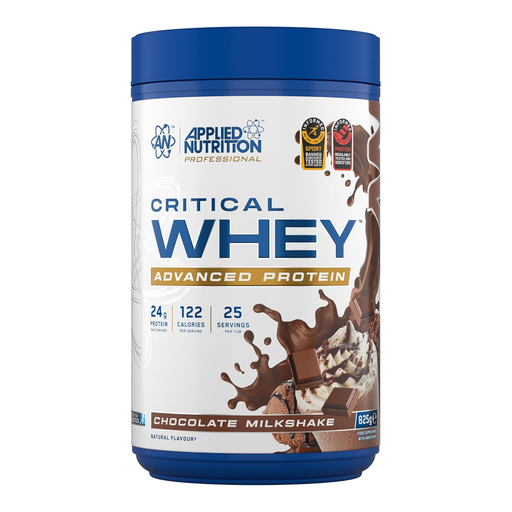
Why This Fits Their Persona: A conventional whey blend with a clearly stated 33g serving can be a practical starting point for gym users comparing everyday protein intake.
The label provides per-serving energy, carbohydrate, fat, salt and protein values, rather than relying only on broad performance wording.
23.6g protein per 33g serving; contains whey concentrate, isolate, hydrolysate and milk protein concentrate.
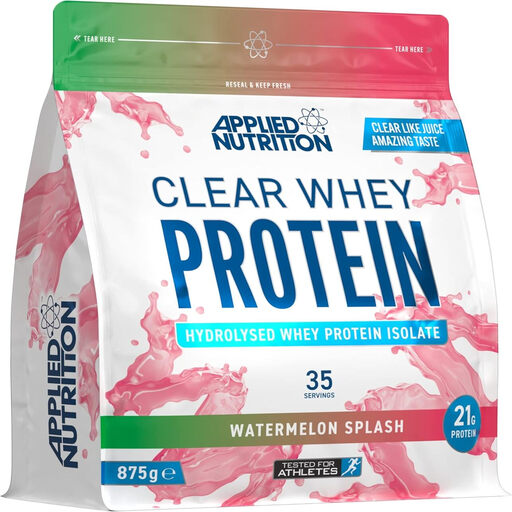
Why This Fits Their Persona: Suitable for shoppers who prefer a fruit-style drink and dislike the heavier texture associated with traditional shakes.
Its stated 25g serving and nutrition panel make it easier to compare with creamy whey products on a like-for-like basis.
21.27g protein per serving; 90 kcal per serving and a watermelon flavour in a clear format.
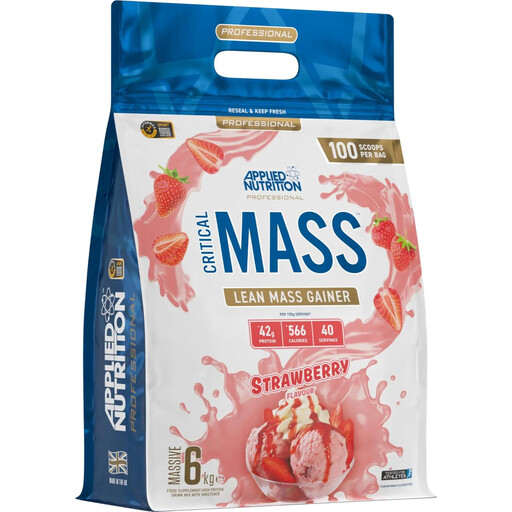
Why This Fits Their Persona: Designed for adults with high calorie and carbohydrate requirements who need more than a standard whey shake.
The substantial 150g serving is clearly stated, helping buyers avoid confusing a mass gainer with a low-calorie protein powder.
42g protein, 74.7g carbohydrate and 566 kcal per serving; includes 3g creatine monohydrate.
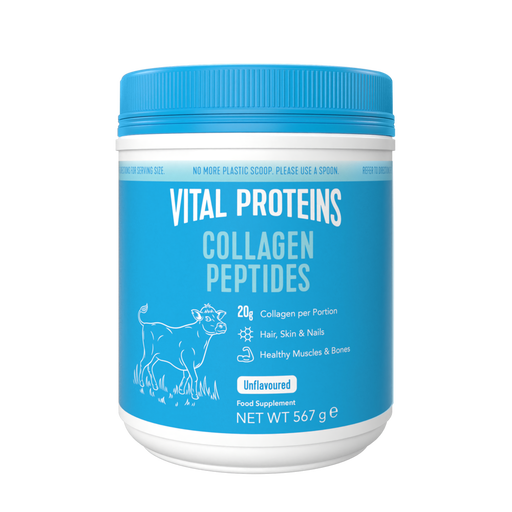
Why This Fits Their Persona: A neutral powder suits adults who want to add collagen to coffee, porridge or another daily drink without changing its flavour significantly.
It is presented as collagen supplementation rather than a conventional whey or vegan protein product, helping shoppers select it for the intended use.
Bovine collagen peptide ingredient; unflavoured powder designed to dissolve in hot or cold liquids.
We have compiled a complete, real-time list of products that fully satisfy these strict selection criteria and UK safety regulations.
No. A post-workout protein drink is a convenient option, but it is not compulsory after every session. Your overall daily protein intake, normal meals and training plan are more important. A supplement can be useful when food is inconvenient or when you are finding it difficult to meet your planned intake.
There is no single lifespan for every product. Follow the best-before date and storage instructions on the packaging. Keep the lid tightly closed, use a dry scoop and avoid introducing moisture. Changes in smell, colour, texture or taste are reasons to stop using the product and check the manufacturer’s guidance.
Both can be milk-derived, but they differ in texture and processing. Clear whey is usually mixed into a lighter, fruit-style drink, while standard whey protein powder generally creates a creamy shake. Compare the nutrition panel, milk allergen statement, sweeteners and serving size rather than choosing by format alone.