
24/7 Customer Support

Free returns

Same-day & Next-day Delivery

Quality Guaranteed

Unlock Your Welcome Offers: FREE Delivery | Up to 80% OFF | Free 30-day JoyPlus trial
Download the APP
Protein supplements can make it easier to meet daily nutrition targets, but choosing between protein powder, ready-to-drink shakes, clear whey and amino acid products is not always straightforward. A low price may hide a small serving size, while an attractive “high-protein” label may overlook sugar, allergens or unnecessary ingredients.
This guide explains the practical details UK shoppers should check before buying, then matches different formats to specific lifestyles and training routines.
A large container does not automatically offer better value. Compare the protein per serving, the number of servings and the total cost per serving. A 2kg whey protein powder may be economical for regular users, but a smaller product could suit occasional gym-goers who do not want a long-term commitment.
Also check the serving-size calculation. A product may advertise 24g of protein per serving, but the serving could require 33g or more of powder. This affects both cost and daily intake.
Terms such as “clean”, “premium” or “fast-absorbing” do not tell you everything needed to compare products. Read the nutrition panel for:
For example, a protein shake can be convenient and high in protein while still containing more carbohydrate or calories than expected. This matters if you are following a calorie-controlled plan.
Whey protein powder and milk-based ready-to-drink protein shakes contain milk. Some formulas also contain soya lecithin or may be manufactured in facilities handling eggs, cereals, nuts or fish.
Plant-based protein powder may contain soya, while products made with nuts or sesame require particular care for allergy-aware households. Always check the current packaging, ingredient list and allergen statement before consumption. Formulations can change.
Whey protein concentrate, whey protein isolate and hydrolysed whey are common in sports nutrition. A blend can offer a practical way to increase daily protein intake, while a clear whey protein product provides a lighter, fruit-style drink rather than a creamy shake.
Vegetarian protein supplements may use milk protein, whey or a plant-based blend such as pea and soya protein. Those following a vegan diet should check for clear vegan suitability rather than relying only on terms such as “plant-focused”.
Essential amino acids are the amino acids the body cannot produce itself. An EAA powder supplies these directly, but it should not automatically be treated as a replacement for a complete source of dietary protein. Consider whether you need additional protein or simply want an amino acid product around training.
If your priority is weight management protein, compare protein with total calories rather than choosing the lowest-calorie product alone. Applied Nutrition Diet Whey, for example, lists 20g of protein and 100 kcal per 25g serving, alongside 0.95g of sugar.
Meal replacement shakes are different from ordinary protein powder. They are designed to replace a meal and may include fibre, vitamins and minerals, but they can also contain more carbohydrate and calories. Follow the stated serving guidance and do not use them as the sole source of nutrition.
Powdered supplements are usually easier to store and can be mixed with water, milk or plant-based drinks. A ready-to-drink protein shake needs no shaker, making it suitable for commuting, work or keeping in a gym bag.
Check practical details such as:
A clear whey drink may suit someone who dislikes thick shakes, while a dessert-style protein product may be more useful as a planned snack.
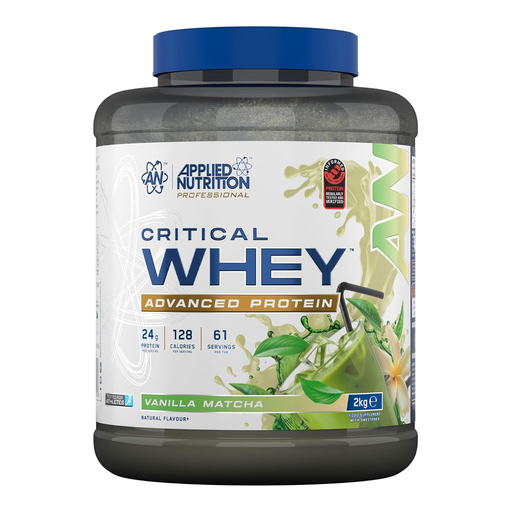
Why This Fits Their Persona: The 2kg format suits adults starting a regular training routine who want a versatile powder for shakes, smoothies or recipes.
The listing identifies whey concentrate and isolate, with serving values shown as approximately 22–24g of protein. Check the flavour-specific label before purchase.
Large 2kg pack; designed to mix with water or milk; suitable for adults following an active lifestyle.
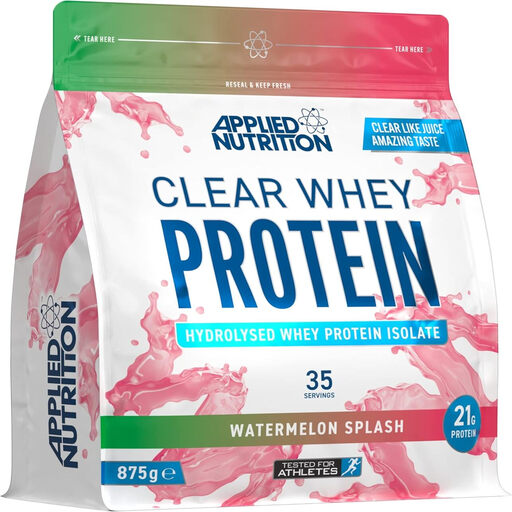
Why This Fits Their Persona: A fruit-flavoured option for shoppers who find traditional milkshake-style protein powders too heavy.
The nutrition information states 21.27g of protein, 90 kcal and 0.24g of sugar per 25g serving, allowing clearer comparison with creamy shakes.
95% hydrolysed whey protein listed; 875g pack; watermelon flavour with a light drink format.
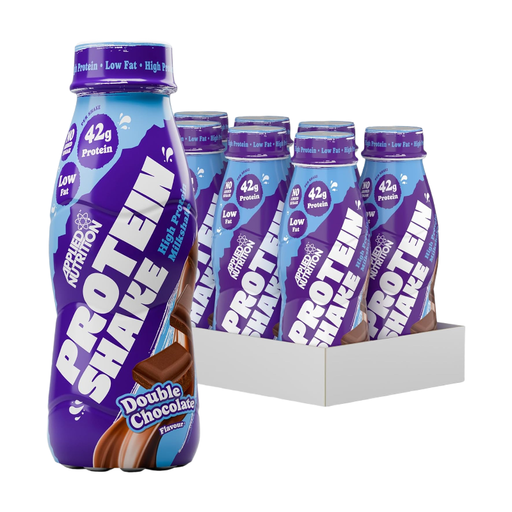
Why This Fits Their Persona: Useful for commuters, shift workers and gym-goers who need high-protein drinks without carrying a shaker.
The full bottle figures are clearly stated: 42g protein and 240 kcal per 500ml bottle. This prevents confusion between per-100ml and per-bottle values.
Ready to drink; 8 x 500ml pack; low-fat formula with no added sugar stated in the product information.
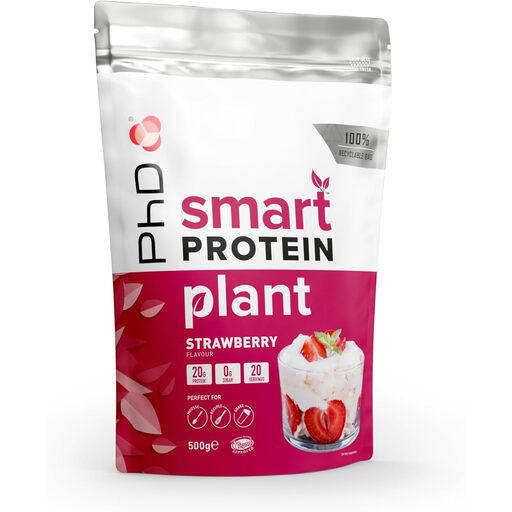
Why This Fits Their Persona: A practical choice for adults seeking pea and soya protein for shakes, smoothies, baking or other recipes.
The product specifies 20g of protein and 0g sugar per 25g serving, rather than relying only on plant-based positioning.
Pea and soya protein blend; includes vitamin B6, folic acid, B12, iron and zinc; suitable for vegetarian and plant-based diets.
We have compiled a complete, real-time list of products that fully satisfy these strict selection criteria and UK safety regulations.
No. They are a convenient way to increase protein intake when food alone is impractical. Your overall daily diet matters more than taking a shake at a precise time. Follow the product directions and treat supplements as part of a varied, balanced diet.
Clear whey usually has a lighter, juice-style texture, which some people prefer. However, tolerance varies, and it still commonly contains milk-derived protein. Check the allergen information and choose a format you are comfortable consuming.
They can be used as directed to replace selected meals, but they are not interchangeable with every protein powder. Compare calories, protein, fibre, vitamins and minerals, and follow the stated maximum servings. If you have a medical condition, take medication or follow a restricted diet, seek advice from a qualified healthcare professional before use.