
24/7 Customer Support

Free returns

Same-day & Next-day Delivery

Quality Guaranteed

Unlock Your Welcome Offers: FREE Delivery | Up to 80% OFF | Free 30-day JoyPlus trial
Download the APP
A protein shaker bottle can look simple, yet the wrong design may become inconvenient within weeks. Gym-goers often encounter loose lids, powder that settles into lumps, unpleasant odours and capacity markings that are difficult to read. A low purchase price may also be misleading if the bottle is awkward to clean or unsuitable for the drinks you regularly prepare.
Before choosing a shaker bottle, look beyond colour and branding. The most useful comparison points are material, mixing design, capacity, sealing and cleaning requirements. These details determine whether a bottle suits daily protein shakes, pre-workout drinks, hydration or occasional cocktail preparation.
A bottle may have a screw-on lid but still leak if the flip cap does not close firmly or the silicone seal is poorly aligned. A shaker carried in a work bag or gym bag should have a secure lid, a reliable seal and a cap that snaps closed. Check the product instructions and inspect the seal regularly rather than relying only on marketing language.
A 700ml shaker bottle or 750ml shaker bottle offers useful room for liquid, powder and vigorous shaking. However, the stated capacity may refer to the maximum fill line, not the practical mixing volume. Filling to the top can leave too little space for movement and may increase the risk of spills when shaking.
Smaller bottles, such as a 400ml design, are easier to carry and may suit a single serving, but they offer less flexibility for larger drinks or extra water.
Protein residue can collect around threads, spouts and mixing inserts. A bottle that cannot be opened fully may be harder to clean properly. Plastic models can be convenient and lightweight, while a stainless steel protein shaker may be less prone to staining and odour retention. Neither material removes the need for prompt washing after use.
For a reusable supplement mixing bottle, look for clearly stated materials and care instructions. A BPA-free shaker bottle made from food-contact materials may appeal to users who prefer to avoid BPA in their everyday drinkware. Stainless steel can provide a solid, durable feel, while polypropylene and other plastics are generally lighter to carry.
Do not use a shaker with hot or boiling liquids unless the manufacturer specifically says it is designed for them. Several sports shaker designs warn that heat can create pressure inside the container and cause liquid to escape when opened.
A shaker bottle with mixing grid or mesh grill helps break up powder as the bottle is shaken. Other models use a snap-fit agitator or an electric mixing mechanism. Consider the supplements you use: dense protein powder, meal replacements and mass gainers may benefit from more active mixing than a thin hydration drink.
A mixing insert should also be removable or easy to rinse. Small parts can trap residue if they are permanently fixed or difficult to reach.
Clear markings allow more consistent liquid and supplement preparation. A 400ml bottle is compact, while 600ml to 750ml options provide more room for gym sessions, commutes and longer periods between refills. Handles, carry loops and non-slip grips can be useful when the bottle travels between home, the office and the gym.
If you need to carry powder separately, consider a protein shaker with powder compartment. This can be practical for preparing a drink later, but check that the compartment seals securely and can be cleaned thoroughly.
The following options cover different priorities rather than presenting one universal choice. Always check the product page and supplied instructions before use, as specifications and care guidance may change.
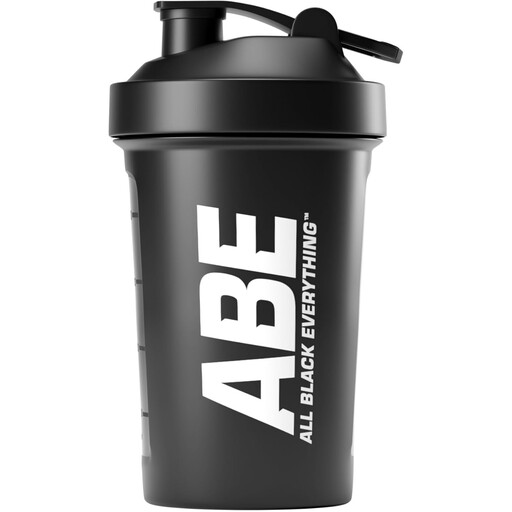
Why This Fits Their Persona: Its compact 400ml format suits first-time supplement users, short gym sessions and people who want a lightweight bottle for a backpack or work desk.
Clear markings from 100ml to 400ml support measured preparation, while the mesh grill addresses common powder clumping. The screw lid and flip-top cap are designed for secure carrying.
BPA-free plastic construction, mesh grill, measurement markings and dishwasher-safe design.
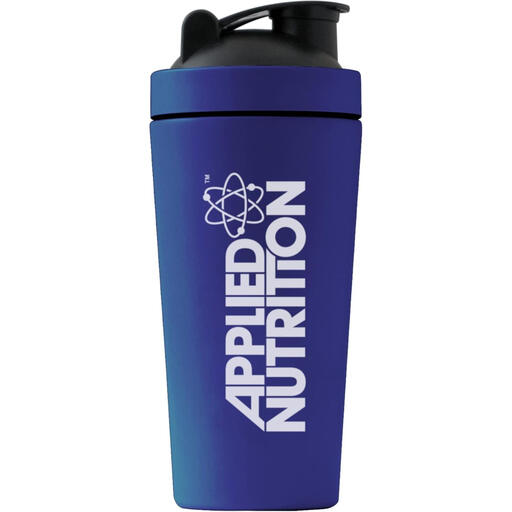
Why This Fits Their Persona: A 750ml stainless steel format suits regular gym users who want a substantial, reusable bottle with a robust feel and a non-slip matte exterior.
The built-in internal mesh grid is intended to assist mixing, while the screw-on lid and flip cap address loose-lid concerns. The product instructions recommend hand washing and avoiding hot or carbonated drinks.
Stainless steel body, 750ml capacity, internal measurements and matte coating with a secure grip.
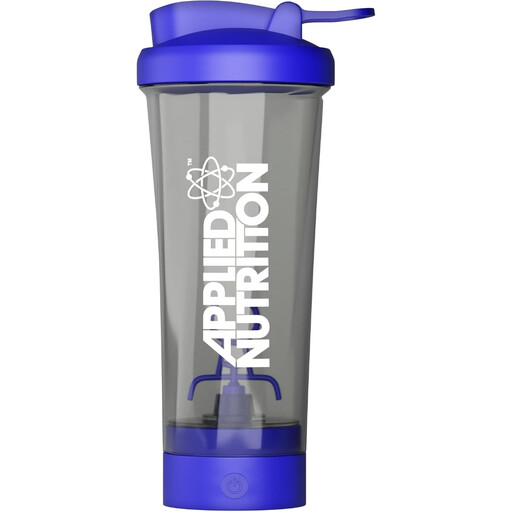
Why This Fits Their Persona: The electric format is suited to frequent supplement users, busy commuters and anyone who prefers button-operated mixing rather than manual shaking.
Its motorised mixing system offers an alternative to relying solely on a loose mixing ball or grid. The instructions specify a 45-second mixing cycle and say not to submerge the base.
600ml capacity, 6500rpm motor, leak-proof cap, BPA-free food-grade materials and dishwasher-safe cup base.
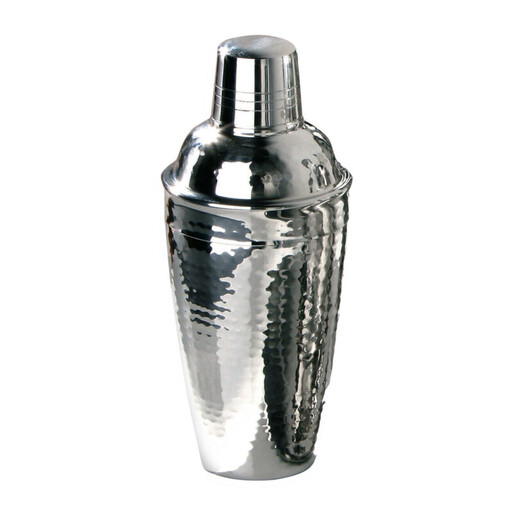
Why This Fits Their Persona: This dedicated cocktail shaker suits home bartenders preparing one or two drinks, rather than users seeking a sports supplement bottle.
It is purpose-built with a secure seal and integrated strainer, avoiding the common mistake of using a supplement shaker when controlled pouring is required.
500ml stainless steel body, built-in strainer, hammered finish and dimensions suited to one or two cocktails.
To keep a supplement mixing bottle in usable condition:
Capacity depends on how much liquid you prepare and how often you can refill. A 700ml shaker bottle or 750ml shaker bottle provides extra room for powder, water and shaking, making it practical for longer sessions. A smaller bottle may be easier to carry for short workouts.
Lifespan depends on material, cleaning and frequency of use. Inspect the lid, seal and bottle body regularly. Replace it if the plastic cracks, the stainless steel becomes structurally damaged or the closure no longer seals reliably. Prompt washing can also help reduce persistent odours and residue.
An electric protein shaker requires charging or batteries, so it has an ongoing energy or replacement cost that a manual bottle does not. In return, it offers motorised mixing. Check the charging method, cleaning instructions and whether the base must be kept away from water before buying.