
24/7 Customer Support

Free returns

Same-day & Next-day Delivery

Quality Guaranteed

Unlock Your Welcome Offers: FREE Delivery | Up to 80% OFF | Free 30-day JoyPlus trial
Download the APP
Buying protein supplements can seem straightforward until you compare protein powder, ready-to-drink shakes, clear whey protein and mass gainers. Packaging often highlights impressive-sounding ingredients while making serving size, calorie content and allergens harder to find.
The right choice depends less on bold front-label claims and more on practical details: how much protein you receive per serving, whether the format suits your routine and whether the ingredients fit your dietary requirements.
A 2kg container may appear economical, but the useful comparison is cost per serving and protein per serving. Check the serving size carefully. A mass gainer, for example, may contain considerably more carbohydrates and calories than a standard whey protein powder, so it serves a different purpose.
Also check whether the stated protein figure applies to the powder alone or the prepared drink. Adding milk increases calories, carbohydrates and protein.
BCAAs, creatine, electrolytes, green tea extract and other additions may be relevant to particular routines, but they do not make every product suitable for every buyer. A protein supplement cannot replace balanced meals, adequate sleep or a structured training plan.
Look at the complete nutrition panel rather than relying on phrases such as “advanced”, “lean” or “recovery formula”. For weight management protein, calorie and sugar content may matter more than a long ingredient list.
Many protein supplements contain milk, whey, soya or other allergens. Beef protein isolate and collagen powder can provide alternatives to dairy-based products, but they are not interchangeable in taste, texture or nutritional role.
Always read the current packaging, particularly if you have an allergy, intolerance, medical condition or take medication. Product formulations and usage instructions can change.
A practical starting point is the protein per serving, not the size of the scoop. The products listed here range from approximately 20g to more than 27g per serving, while a mass gainer provides protein alongside a substantially higher carbohydrate and calorie content.
Common options include:
Choose the nutritional profile that matches your objective. A standard whey protein powder may provide around 90–130 kcal per serving, while a mass gainer can provide several hundred calories with added carbohydrates.
For comparison, the Applied Nutrition Critical Mass Professional listing provides 42g protein, approximately 75g carbohydrate and 566 kcal per 150g serving. That may suit adults with high calorie requirements, but it is excessive for someone simply topping up daily protein.
If you prefer a lighter drink, clear whey products typically avoid the creamy texture of milk-based shakes. Check the label for sweeteners, carbohydrate levels and serving limits.
Powder is usually easier to store and can be mixed with water, milk, porridge or recipes. Ready-to-drink protein shakes need no shaker or preparation, making them useful for commuting, work or keeping in a gym bag.
Check storage instructions carefully. Once opened, many chilled drinks should be refrigerated and consumed within a stated period. Do not assume that a product with a long unopened shelf life can be stored the same way after opening.
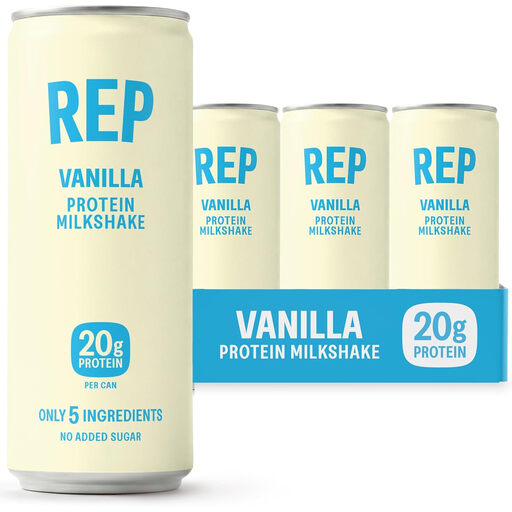
Why This Fits Their Persona: A straightforward option for adults starting to use protein supplements and wanting a chilled, ready-to-drink format without mixing powder.
The listing states 20.3g protein and 150 kcal per 250ml can, with five listed ingredients and no artificial sweeteners, flavours, preservatives or stabilisers.
Ready to drink, gluten-free and suitable for vegetarians. Contains milk and should be checked carefully by allergy-sensitive shoppers.
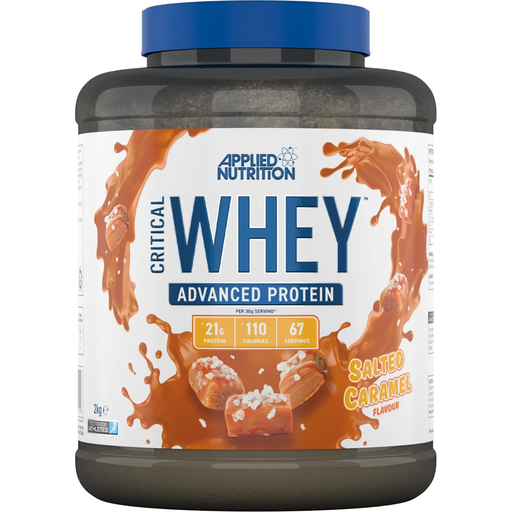
Why This Fits Their Persona: A large-format whey protein powder for regular gym-goers who want a versatile shake for post-workout use or between meals.
Its serving information clearly states approximately 24g protein and 130 kcal per 33g serving, helping shoppers compare the tub by usable nutrition.
Combines whey concentrate, isolate and hydrolysed whey; the label also lists BCAAs and a stated 2kg pack size. Contains milk.
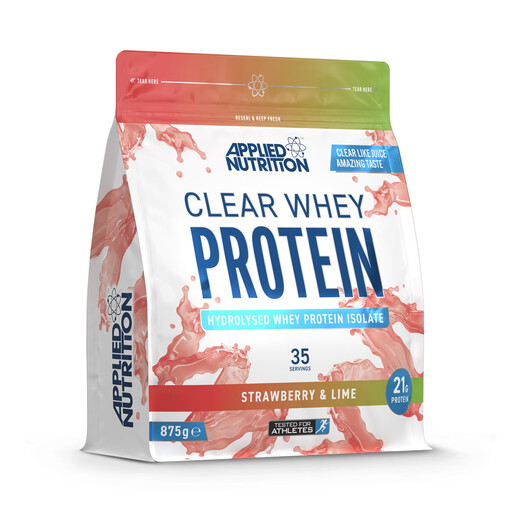
Why This Fits Their Persona: Useful for adults who dislike thick milkshake textures and prefer a fruity drink after training or during the day.
The product information gives a 25g serving size and states approximately 21.27g protein, 90 kcal and 1.01g carbohydrate per serving.
Uses hydrolysed whey protein and is mixed with cold water. Contains milk, despite its clear appearance.
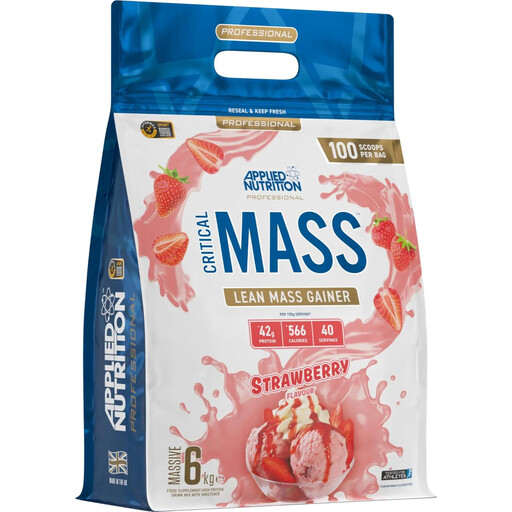
Why This Fits Their Persona: Designed for adults who need a concentrated combination of protein and carbohydrates rather than a low-calorie protein top-up.
The listing makes the calorie and carbohydrate load visible: 566 kcal, 74.7g carbohydrate and 42g protein per 150g serving.
Includes creatine monohydrate and a 6kg format. Contains milk, oats, wheat and soya; check suitability before purchase.
We have compiled a complete, real-time list of products that fully satisfy these strict selection criteria and UK safety regulations.
There is no universal time that suits everyone. Many people use them after training or between meals to help meet their daily protein intake. A ready-to-drink protein shake can be practical after a gym session, while protein powder can be added to breakfast or recipes.
Not usually. Clear whey is still commonly made from whey protein, which comes from milk. Always check the allergen statement. For a dairy-free and lactose-free alternative, a beef protein isolate may be more suitable, subject to individual dietary requirements.
They can make it easier to plan protein intake, but they do not independently cause weight loss. Check total calories, serving size and added ingredients. A weight management protein powder may have a lower-calorie profile, while a mass gainer is intended for increasing calorie intake.
Use supplements according to the product label and as part of a varied, balanced diet. If you are under 18, pregnant, breastfeeding, taking medication or managing a health condition, seek advice from a qualified healthcare professional before use.